Iran Lobby

Exposing the Activities of the lobbies and appeasers of the Mullah's Dictatorship ruling Iran

  • Home
  • About
  • Current Trend
  • National Iranian-American Council(NIAC)
    • Bogus Memberships
    • Survey
    • Lobbying
    • Iranians for International Cooperation
    • Defamation Lawsuit
    • People’s Mojahedin
    • Trita Parsi Biography
    • Parsi/Namazi Lobbying Plan
    • Parsi Links to Namazi& Iranian Regime
    • Namazi, NIAC Ringleader
    • Collaborating with Iran’s Ambassador
  • The Appeasers
    • Gary Sick
    • Flynt Leverett & Hillary Mann Leverett
    • Baroness Nicholson
  • Blog
  • Links
  • Media Reports

Side Agreement with IAEA and Iran Regime Shows Deceptive Practices

August 21, 2015 by admin

Side Agreement with IAEA and Iran Regime Shows Deceptive Practices

Side Agreement with IAEA and Iran Regime Shows Deceptive Practices

Recent disclosures by the Associated Press of the secret side deal negotiated between the International Atomic Energy Agency and the Iran regime over inspection of the Parchin military complex have caused quite a stir in the debate over the proposed nuclear agreement with the regime, but what is not being discussed is the deeper meaning of the agreement which is how the regime expects to handle inspections moving forward.

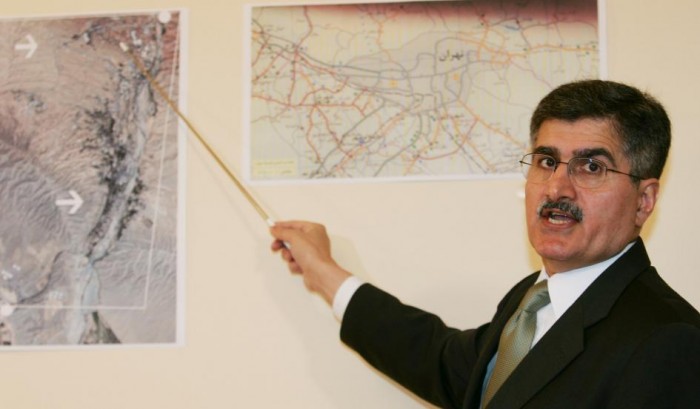
Parchin is just a sneak peek into the much larger preview of how the regime acts and conducts itself in double dealing with the international community and monitoring agencies. The text of the secret deal as transcribed by the AP reveals how the Iran regime intends to maintain total control over any inspection regimen.

The most important phrase, repeated throughout the agreement, is “Iran will provide…” At no point does the agreement grant international inspectors unfettered access of their own to the facility to take photos, inspect areas or take environmental samples without it passing through regime hands.

Supporters of the mullahs in Tehran argue the inspection is a one-time only affair at a site that has been closed down for a decade, but what gets overlooked is that Parchin’s importance to the regime was not in handling radioactive material, but rather handling high explosives which are necessary in detonating a nuclear warhead. The fact that the regime has pre-determined where soil samples are to be taken and has had plenty of time to scrub the facility clean, the usefulness of any inspection is moot.

“The notion that this means it is not the IAEA but Iran who is conducting the investigation is a laughable distortion,” said Jamal Abdi of the National Iranian American Council, the regime’s chief lobbying arm.

But the importance of Parchin is not in actual inspection, but in understanding how the regime reacts to inspections in general and looks into its military program specifically. The mullahs, led by Ali Khamenei, have consistently opposed any interviews of its scientists and technicians over the military dimensions of its program by IAEA personnel. Nearly a dozen questions from the IAEA remain unanswered by the regime for over a decade.

According to the Wall Street Journal in an interview this month, Yukiya Amano, IAEA director general, acknowledged Tehran has so far refused to agree to provide access to many of the individuals believed to have been involved in the suspected testing at Parchin.

Parchin is just a small part of those questions. The fact that the regime has managed to wear down the IAEA by stonewalling it and then negotiating secret side deals it has warned the IAEA should not be revealed to the U.S. clearly show the regime’s priorities in taking advantage of the situation to basically set into stone its rights to lie to the rest of the world. It’s a blatant act of appeasement and one that has never been granted to before to any other nation subject to international monitoring such as North Korea or South Africa.

The National Council of Resistance of Iran, the leading Iranian dissident group, has long complained of the regime’s steadfast refusal to allow inspections not only of Parchin, but similar facilities at Fordow, Arak and Natanz, most of which were only revealed after being exposed by the NCRI and other resistance groups.

The fact that the IAEA capitulated in such dramatic fashion is worrisome because it underlines the strong move towards appeasing the mullahs as a way of currying favor with them in a mistaken belief that would somehow bring about regional stability.

But this new disclosure only reinforces the growing and pervasive belief that the regime simply cannot be trusted. A new CNN/ORC poll released this week showed 56% of Americans now think Congress should reject the deal; up from 52% just less than a month ago.

Even as public opinion mounts against the regime, the leaders of the Islamic state continue to operate in a fashion immune from any criticism from overseas as evidence by the new campaign to discredit Wall Street Journal reporter as being an intermediary for the Iranian opposition. Forget the fact that the claims are based on a misuse of the English language, but the treatment follows similar actions against media critics of the regime such as Washington Post reporter Jason Rezaian who languishes in an Iranian prison.

This is just par for the course for a regime openly hostile to news media, contemptuous of international authority and blatantly ignorant of basic human rights.

By Michael Tomlinson
 

Filed Under: Blog Tagged With: Action NiAC, Iran, Iran deal, Iran Lobby, Jamal Abdi

Iran’s Mullahs Get Ready for a Spending Spree

July 2, 2015 by admin

Iran’s Mullahs Get Ready for a Spending Spree

Iran’s Mullahs Get Ready for a Spending Spree

Who doesn’t like shopping; especially when you’re about to get a $140 billion credit line? The Iran regime’s mullahs are eagerly anticipating the windfall due to them with a completed nuclear agreement. The cornerstone of nuclear talks for the regime has been the condition for the immediate and total lifting of all economic sanctions from the UN Security Council, European Union and U.S.

In fact, there has been no ambiguity about what Iran’s top mullah, Ali Khamenei is seeking in a nuclear deal having posted his very own infographic listing his specific “red lines” where he would not allow regime negotiators to cross in order to gain a deal with the P5+1 group of nations.

The value of those frozen assets has already been demonstrated when the U.S. released over $17 billion in cash to the regime since the interim framework agreement was announced in April of 2015 and follows a prior interim agreement reached in 2013. In fact the regime just received over 13 tons of gold released by South Africa at the direction of the U.S. as part of those agreements. The massive influx of cash came at an opportune time for the regime.

The benchmark price of crude oil had plummeted from a high of $107.89 per barrel in June of 2014 to only $57.30 per barrel in April of 2015, crushing the Iranian economy and its black market sales of illegal crude.

The 47 percent drop in oil came at the same time that the Iran regime had significantly stepped up its support for Houthi rebels as they overthrew the government in Yemen, spent over $6 billion annually to prop up the Assad regime in Syria, and billions more to fund Shiite militias throughout Iraq.

The cash delivered by the U.S. was a godsend for the mullahs and kept their precarious hold over an increasingly embittered Iranian population firm. The mullahs recognize that replenishing their coffers remains the most vital aspect of these negotiations and would normally provide enormous leverage for the P5+1 – particularly the U.S. – but the Obama administration seems to be intent on securing a deal, any deal, without using this economic leverage to gain substantial changes in Iran’s foreign policy direction or abysmal human rights record.

This hasn’t been lost on the mullahs or their circle of supporters who have sought to push forward foreign investment in order to create the feeling of inevitability of a lifting of sanctions. Economists have estimated the regime could receive an additional windfall of over $100 billion in direct foreign investment with the lifting of sanctions in addition to the $140 billion it would get from unfrozen assets.

Already regime supporters such as Reza Marashi of the National Iranian American Council and Bijan Khajehpour of Atieh International are already posturing and trying to facilitate this influx of foreign investment. In Khajehpour’s case, he would personally gain by helping direct investors to regime industries through his consulting firm.

But any thought of this enormous windfall benefitting the Iranian people is foolish and misplaced given past history. Khamenei himself delivered a speech February of 2014 in which he called for an “economy of resistance” and set the stage for preparing the Iranian people for continued hardships. Those hardships have resulted in widespread, but lightly reported, mass protests and demonstrations throughout Iran from everyone ranging from school teachers to factory workers to ethnic minorities.

The fact that regime mullahs directed the massive shifting of funds to fund proxy wars, terror groups and its nuclear program at the expense of its own citizens clearly demonstrates what will happen with this $140 billion payday and is bearing more intense media scrutiny as journalists and columnists delve deeper into where all those billions will most likely go.

As Michael Singh, managing director of the Washington Institute for Near East Policy, writes in the Wall Street Journal: “The agreement terms reportedly under discussion provide Iran with substantial economic relief while demanding precisely nothing from it regarding its sponsorship of terrorism and destabilizing regional behavior.”

Sounding a similar warning is Ray Takeyh, a senior fellow at the Council on Foreign Relations, who wrote in the Washington Post: “The massive financial gains from the deal would enable the Islamic Republic’s imperial surge while allowing a repressive regime that was on the brink of collapse in 2009 to consolidate power. This would be no small achievement for Iran’s emboldened rulers.”

As the regime continues to manipulate the U.S. with false promises, the mullahs are busy getting their shopping list ready for the day their bank accounts are flush with cash again.

By Laura Carnahan

Filed Under: Blog, News Tagged With: Iran, Iran Lobby, Iran Talks, Jamal Abdi, Marashi, NIAC, Sanction, Sanction relief

Iran Lobby Admits Skirting Lobbying Laws

July 1, 2015 by admin


Iran Lobby Admits Skirting Lobbying Laws

Iran Lobby Admits Skirting Lobbying Laws

There was an admission made yesterday during ongoing nuclear talks between the Iran regime and the P5+1 and it wasn’t that the negotiators were going to miss yet another deadline. No, the real news that leaked out and escaped the notice of most news organizations came from the National Iranian American Council, the regime’s longtime loyal lobbying group.

The NIAC announced the formation of a 501(c)4 lobbying arm dubbed “NIAC Action” dedicated to openly carrying the mullahs water through the halls of Congress and collect funds on behalf of the mullahs to advance a nuclear agreement giving Tehran’s cash-starved mullahs access to $140 billion in frozen funds and allow it to retain its nuclear infrastructure without intrusive international scrutiny or inspection.

While the NIAC claims it launched its lobbying group to counter what it feels is the strong anti-regime lobby already operating in the U.S., the more practical reality is that the NIAC had been skirting federal lobbying laws and had to make this move in order to avoid further investigation and possible charges for violating federal laws.

News media have previously chronicled the suspicious and often blatant lobbying efforts by members of the NIAC, especially its founder Trita Parsi who recently lost a defamation suit aimed at a journalist who reported on Parsi and the NIAC’s lobbying actions on behalf of the regime.

An appeal by Parsi resulted not only in another loss but also resulted in NIAC being forced to pay $184,000 and condemnation for blatant and systematic abuse of the discovery process and repeated false and misleading declarations to the court.

NIAC’s Jamal Abdi attempted to spin the lack of coordination between the NIAC and Iran regime officials by saying “We are not lobbying on behalf of the Iranian government. We don’t coordinate. We don’t take money from the Iranian government or the U.S. government.”

But Abdi neglected to mention any prohibition on accepting funding from individuals who receive funding directly or indirectly from the Iranian regime or its vast network of shell companies and false fronts built over the past decade to evade economic sanctions and fund worldwide terror groups such as Hezbollah.

The NIAC has been a constant fixture at the sites of nuclear talks, in news media and online through its aggressive social media efforts. It skirted the letter of federal law by claiming status as a 501(c)3 “social welfare” group even though it organized “legislative action days” where it sent teams to Congressional offices and “lobbied” key representatives and Senators on important Iran-related legislation.

Unsurprisingly, key NIAC staff who have long sought to pressure and influence members of Congress have moved over to key slots at the lobbying arm, including Abdi who is now the executive director, Ryan Costello and Tyler Cullis who move over as policy and legal fellows respectively. It will bear watching to see the amount of cross-over and coordination that occurs between these two groups and whether or not federal lobbying laws will be violated.

It is unsurprising that this new lobbying arm for the NIAC is not devoted the stated mission of the NIAC which is to promote “greater understanding between the American and Iranian people,” but instead was specifically created “to protecting a nuclear deal.”

This will also allow the NIAC to even endorse U.S. political candidates, although an endorsement by a group so closely identified as a mouthpiece for a state sponsor of terrorism, currently holding American hostages and engaging in three proxy wars responsible for the murder and displacement of millions of people would hardly be a welcome endorsement by any Republican or Democratic candidate.

At least the truth is unveiled and we now know the full extent of what the Iran lobby is willing to do to secure a deal for the mullahs.

By Michael Tomlinson


Filed Under: Blog, National Iranian-American Council, News Tagged With: Iran, Iran Lobby, Iran Talks, Jamal Abdi, NIAC, Ryan Costello, Trita Parsi, Tyler Cullis

  • « Previous Page
  • 1
  • 2
  • 3

National Iranian-American Council (NIAC)

  • Bogus Memberships
  • Survey
  • Lobbying
  • Iranians for International Cooperation
  • Defamation Lawsuit
  • People’s Mojahedin
  • Trita Parsi Biography
  • Parsi/Namazi Lobbying Plan
  • Parsi Links to Namazi & Iranian Regime
  • Namazi, NIAC Ringleader
  • Collaborating with Iran’s Ambassador

Recent Posts

  • NIAC Trying to Gain Influence On U.S. Congress
  • While Iran Lobby Plays Blame Game Iran Goes Nuclear
  • Iran Lobby Jumps on Detention of Iranian Newscaster
  • Bad News for Iran Swamps Iran Lobby
  • Iran Starts Off Year by Banning Instagram

© Copyright 2026 IranLobby.net · All Rights Reserved.