Iran Lobby

Exposing the Activities of the lobbies and appeasers of the Mullah's Dictatorship ruling Iran

  • Home
  • About
  • Current Trend
  • National Iranian-American Council(NIAC)
    • Bogus Memberships
    • Survey
    • Lobbying
    • Iranians for International Cooperation
    • Defamation Lawsuit
    • People’s Mojahedin
    • Trita Parsi Biography
    • Parsi/Namazi Lobbying Plan
    • Parsi Links to Namazi& Iranian Regime
    • Namazi, NIAC Ringleader
    • Collaborating with Iran’s Ambassador
  • The Appeasers
    • Gary Sick
    • Flynt Leverett & Hillary Mann Leverett
    • Baroness Nicholson
  • Blog
  • Links
  • Media Reports

Midterm Elections Results Do Not Help Iran Lobby

November 11, 2018 by admin

Midterm Elections Results Do Not Help Iran Lobby

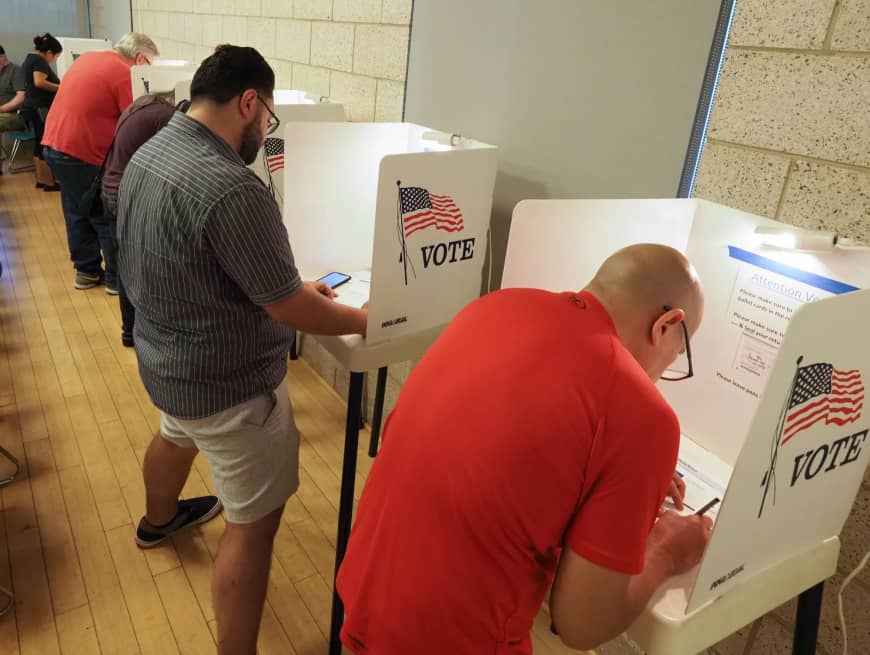
The U.S. midterm elections saw a divided America as Republicans deepened their hold on the Senate while Democrats took over the House as many pundits predicted. Voter interest and participation were high but exit polling of top concerns amongst voters bears little fruit for the Iran lobby or the mullahs in Tehran who were hoping for signs that a blue wave might help bring down new economic sanctions.

According to most exit polls by news organizations, Americans cited healthcare and immigration as their two biggest concerns with the economy following up in third place. The plight of the mullahs was not high on anyone’s list of concerns.

The political environment is dramatically different than it was in 2014-15 when the Obama administration committed itself fully to pushing through a nuclear deal with Iran no matter the cost and that cost was high coming in the form of billions of dollars in cash, sanctions relief and removal of conditions that allowed Iran to develop long-range ballistic missiles, sponsor terrorism across Europe and start two wars in Syria and Yemen.

That deal was sold by the Obama administration and supported by the Iran lobby’s “echo chamber” on the idea that Iran was headed towards a more moderate course and was receptive to diplomacy and wanted to rejoin the community of nations.

Unfortunately for the Iran lobby, the Iranian regime’s actions since then has blown those ideas out of water. It also didn’t help advocates such as the National Iranian American Council that as recently as this summer and last month, Iranian intelligence services were foiled in attempts to bomb a gathering of Iranian dissidents outside of Paris and assassinate another in Denmark.

Any hope Iran could be perceived as a moderating force was literally blown out of the water leaving the Iran lobby to scramble for any rhetorical foothold with the U.S. media.

Since the knee-capping the Trump administration has given to the Iranian regime through the withdrawal from the nuclear deal, the re-imposition of economic sanctions and efforts to build a consensus among key allies to no longer import Iranian oil, the Iran lobby has cast about wildly to find any topic that might stick and help Tehran.

The NIAC has sought to attack the Trump administration on its immigration policies. That went nowhere and in retrospect did not earn the Iran lobby any favors amongst Americans concerned about the issue.

The NIAC sought to float the idea that the Iranian people would be hurt and not the government. That idea also didn’t fly since the suffering of the Iranian people at the hands of their own government has been well-documented over the past year with violent and widespread demonstrations by Iranians.

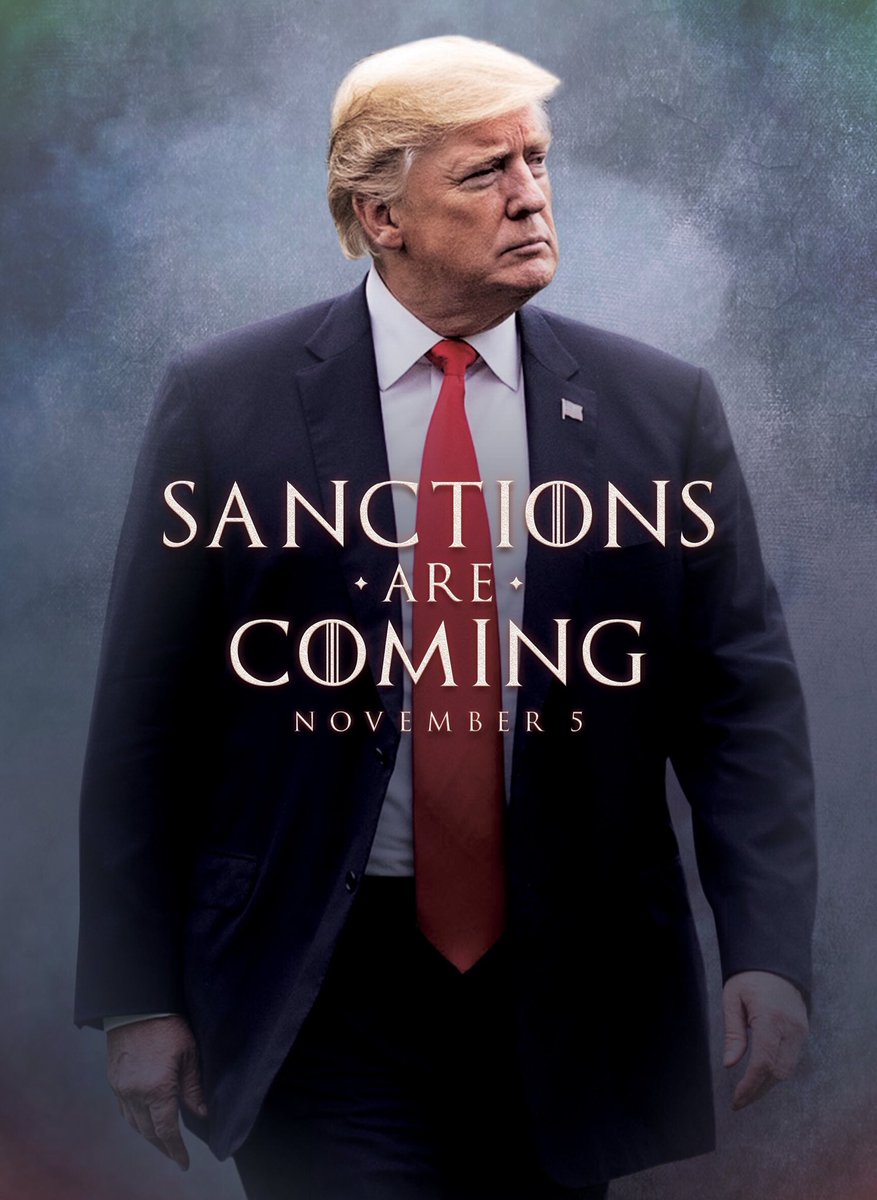
The NIAC then tried to mock the president for his recent “Game of Thrones” meme and outside of social media didn’t move the needle in the midst of the midterm elections.

In short, few Americans give a hoot about anything the NIAC has to say. It’s a mighty fall from the heady days of unobstructed access to the White House and State Department previously enjoyed by NIAC officials during the Obama years.

The NIAC is now finding itself playing a game of political “Survivor” as it stands outside the flow of American politics on a lonely island waving its arms and calling desperately for any journalist to pay attention to itself.

All of which raises an interesting question: Is the Iran lobby even worth keeping around anymore by the mullahs?

If the NIAC has outlived its usefulness to Tehran and has never been fully engaged on issues of real concern to the Iranian-American community then where does it go from here?

This may explain why its founder, Trita Parsi, got out of Dodge and quit the NIAC to pursue a more independent path and Jamal Abdi has been left to try and figure out how to keep the increasingly irrelevant movement afloat.

Abdi has tried to take credit for the midterm election results by issuing a statement denouncing Republicans who lost their seats and trumpet it as a movement back towards Iranian engagement.

“Across the country, candidates dedicated to overturning Trump’s outrageous and discriminatory Muslim ban and stopping war with Iran won big. To have a check on Trump is a huge victory for the Iranian-American community, our country and the global community,” Abdi said.

It’s worth noting that Abdi focused on opposition to the administration’s immigration policies and opposing war with Iran, but made no mention of Iran’s horrific human rights record, its abuse of Iranian women or the sponsorship of terrorism in France and Denmark.

He goes on to mention the backing of several candidates, but it remains to be seen if any of them are going to heed the NIAC’s call to place Iran back at the top of the foreign policy agenda in terms of moving diplomacy forward when the mullahs seem only intent on killing as many Iranian dissidents as possible both inside and outside of Iran.

There may come a time in 2020 when endorsement by the NIAC will become as desirable as an endorsement by the KKK.
Filed Under: News Tagged With: Featured, Iran Lobby, Jamal Abdi, NIAC, Trita Parsi, U.S. Election and IranLobby

Iran Lobby Left Sputtering as US Sanctions Take Effect

November 6, 2018 by admin

Iran Lobby Left Sputtering as US Sanctions Take Effect

The U.S. re-imposed economic sanctions on the Iranian regime on Monday targeting the money machine that fuels the mullahs’ religious dictatorship, including petroleum sales, shipping, banking, and insurance. The sanctions were carefully crafted to go at the heavy industries and financial pipelines funneling cash to the regime and funding its proxy wars and terrorist activities.

President Donald Trump trolled supporters of the Iranian regime with a tweet riffing on HBO’s show “Game of Thrones” with a movie-like poster featuring the iconic font reading “Sanctions Are Coming.”

The near-hysterical response from the Iran lobby over the weekend was predictable, but also revealing in that the regime supporters such as the National Iranian American Council were left with little to talk about except blasting the president’s tweet.

“Trump, his war cabinet and regional cheerleaders in Benjamin Netanyahu and Mohammed bin Salman do not have the Iranian or American people’s best interests at heart,” said Jamal Abdi, the president of the National Iranian American Council. “Instead, they are blowing up an agreement that supports U.S. interests and the aspirations of the Iranian people while planting the seeds for a disastrous war.”

The NIAC added its own tweet trolling attempt by labeling the president a “White Walker,” but while it tried to score points on cheekiness the Iran lobby cheerleader was essentially powerless to stop the imposition of sanctions and the economic hammer blow it will rain down on the mullahs.

Not even the Iranian regime’s leader of its infamous Quds Forces, General Qasem Soleimani, could resist sending his own “Game of Thrones”-inspired post saying he would “Stand Against You” in referring to the president’s tweet.

“Things are escalating and the fact that it’s Soleimani tweeting is a sign that this is moving towards a military confrontation,” NIAC founder Trita Parsi said in response. “This was not a crisis. The only reason this is a crisis is because Trump pulled out of a fully functioning deal.”

Parsi trying to claim Soleimani is gearing up for war with the U.S. through a trolling tweet renders any intelligent reader as sophomoric sophistry at best and idiot banality at worse.

The sanctions are aimed at more than 700 Iranian individuals and entities and are hoped to put a stranglehold on the regime’s economy and force the regime into a new round of negotiations.

“Our ultimate aim is to compel Iran to permanently abandon its well-documented outlaw activities and behave as a normal country,” Secretary of State Mike Pompeo told reporters Friday in a conference call previewing the sanctions. The U.S. penalties will hit foreign countries and companies that do business with the targeted Iranian entities, including its national oil company, its banks, and its shipping industry.

Abdi claimed though the sanctions would hurt the Iranian people, a silly argument since it virtually ignores how the mullahs have destroyed not only Iran’s economy, but sacrificed its environment and plunged large portions of the Iranian population into near poverty status all on its own.

“Impoverishing ordinary Iranians will not hurt the regime or achieve any of America’s security interests, but it will set back the Iranian people’s aspirations for years to come,” Abdi said.

The messaging by the Iran lobby that the Iranian people are helpless in the face of the powerful regime also ignores an essential truth that has steadily build since last year which is the Iranian people are finally becoming emboldened and taking to the streets, bazaars and markets to voice their collective frustration, fury and displeasure at their religious overlords.

Abdi also ignores how the U.S. is also granted waivers exempting certain countries from select sanctions in order not to overtly harm the Iranian people, including lobbying more than a dozen countries doing trade with Iran – India, Japan, Greece and Turkey – to wean themselves off from Iranian oil in exchange for waivers.

Pompeo said eight jurisdictions, which he declined to name, were cooperating with the administration on its push to move to “zero” oil imports from Iran. Those entities will earn temporary exemptions when the sanctions go into effect on Sunday night, Pompeo said.

There will also be some exemptions for food, medicine, and other humanitarian goods, Pompeo said, further diminishing the Iran lobby’s feeble arguments.

But these are essentially the only talking points left to the Iran lobby. It tries to claim the U.S. is only interested in war and sanctions will hurt the Iranian people.

Absent from any of these points is any blame directed at the regime and the mullahs in Tehran for fueling the crisis in the first place by pushing forward with a massive military build-up including the launching of advanced ballistic missiles, coupled with devastating wars in Syria and Yemen.

Supporters such as the NIAC have also been silent on more recent attempts by the Iranian regime to carry out terrorist attacks and assassinations of Iranian dissidents in Europe as seen in a foiled bombing attempt outside of Paris over the summer and murder plan disrupted by Denmark.

Both incidents led France and Denmark to demand a harsh response to the Iranian regime; neither of which was answered by the Iran lobby.

The facts are activists such as Abdi and Parsi are left with little to say, except sputtering the same inane banalities as before and their collective effectiveness in stopping the sanctions train has been virtually non-existent.

With few options left, we might advise the NIAC to stop clogging up the airwaves and discussion boards and confine their tweets to speculation on who will come out on top at the end of the “Game of Thrones.”

Our money is on the Breaker of Chains and Mother of Dragons.

Michael Tomlinson

Filed Under: Blog, News Tagged With: Fake News, Featured, Iran deal, Iran Lobby, Iran sanctions, Jamal Abdi, National Iranian American Council, NIAC, Trita Parsi

Will Oil Sanctions Crumble the Iranian Regime?

October 31, 2018 by admin

Will Oil Sanctions Crumble the Iranian Regime?

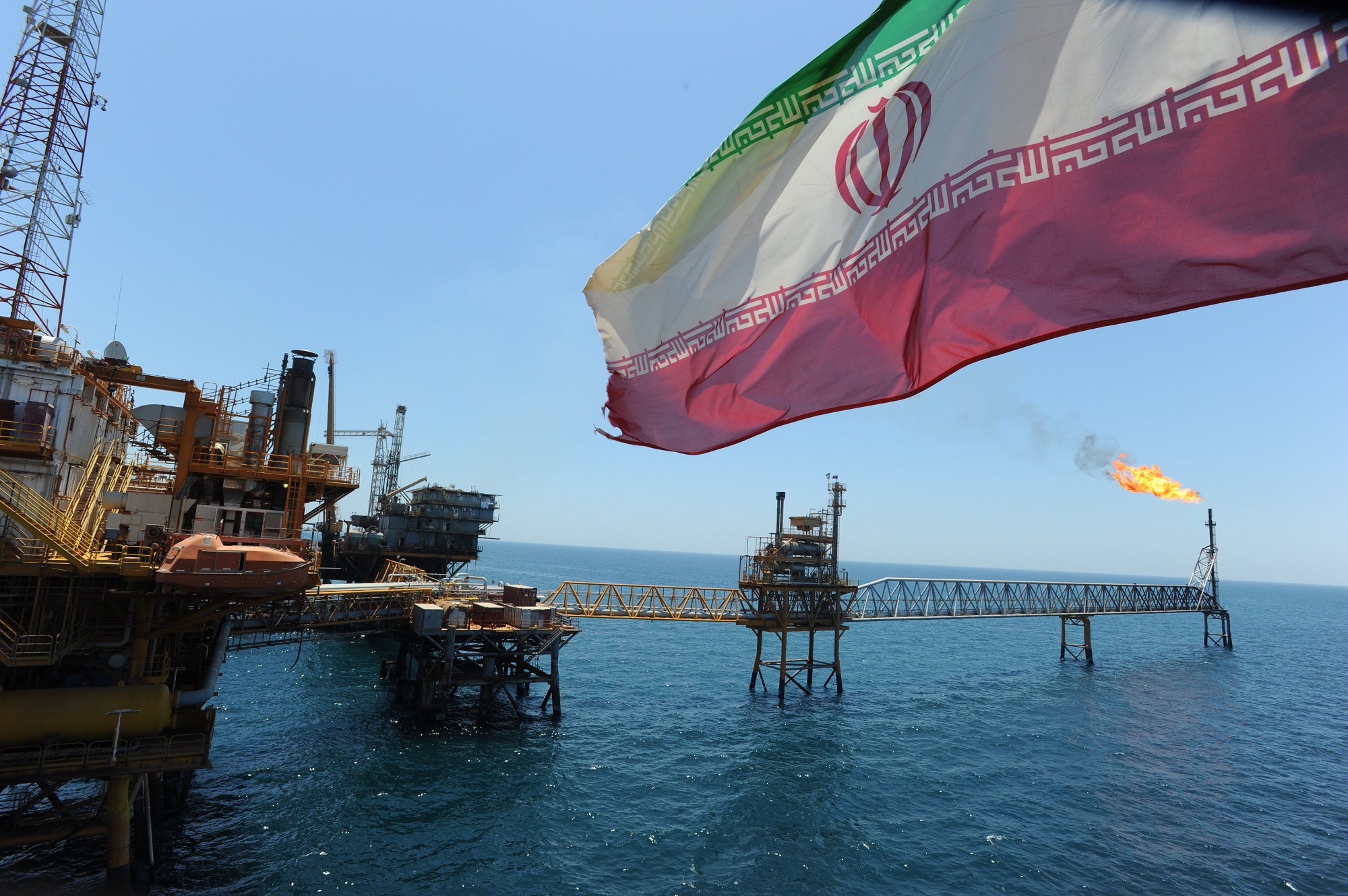
There is no doubt petroleum is the lifeblood of the Iranian regime’s economy. It’s one of the few natural resources the mullahs have left that has not been over-exploited or driven to ruin. During the time economic sanctions were lifted because of the Iran nuclear deal, the windfall of selling its oil on the open market once again pumped badly needed hard currency into the floundering Iranian economy and fueled its wars in Syria, Iraq, and Yemen.

But even during the decade in which sanctions were in place, the mullahs and the Revolutionary Guard Corps personally profited from the illicit sale of oil on the black market and pocketed hefty commissions for family members through a shadowy network of middlemen.

Now the re-imposition of economic sanctions by the U.S. after pulling out from the nuclear deal is looming with the ban on sales of Iranian oil to commence next week. The sanctions beginning November 4th are geared to specifically hit the regime where it hurts, including:

  • Sanctions on Iran’s port operators and shipping and shipbuilding sectors, including on the Islamic Republic of Iran Shipping Lines (IRISL), South Shipping Line Iran, or their affiliates;
  • Sanctions on petroleum-related transactions with, among others, the National Iranian Oil Company (NIOC), Naftiran Intertrade Company (NICO), and National Iranian Tanker Company (NITC), including the purchase of petroleum, petroleum products, or petrochemical products from Iran;
  • Sanctions on transactions by foreign financial institutions with the Central Bank of Iran and designated Iranian financial institutions;
  • Sanctions on the provision of underwriting services, insurance, or reinsurance; and
  • Sanctions on Iran’s energy sector.

The sanctions on shipping, petroleum, banking and insurance are aimed squarely at the financial engine that powers the Iranian regime’s corrupt empire. Since virtually all of the major industries in Iran are controlled directly by the government or the Revolutionary Guard Corps, the direct financial impacts of these sanctions hit the theocratic regime and are not aimed at the Iranian people.

It’s an important distinction since the Iran lobby, especially the National Iranian American Council, has long pounded on the messaging that the Iranian people are the ones being hurt the most by these sanctions.

Using today’s favorite hashtag, that’s just #fakenews.

The truth is that the regime’s own gross mismanagement, incompetence and deep corruption has been more than sufficient to run the Iranian economy into the ground. The fact that the country’s currency has steadily declined in value under the mullahs’ control is just one of many indicators of how they have managed to muck everything up.

The reason the U.S. sanctions are aimed at these particulars sectors is to deny the regime’s ability to finance terrorism and support the proxy wars it has waged on its neighbors. The sanctions are not aimed at stopping the flow of food, medicine or consumer products to the Iranian people.

The regime for example has been the one to block communications to the outside world, ban access to social media, artificially regulate the consumer market with heavy-handed regulations designed to keep the pipeline of luxury goods flowing to the entitled and privileged, but provide none of the support for the staples the Iranian people need to survive.

In a desperate effort to keep the flow of cash coming in, the regime offered up one million barrels of oil through the regime’s domestic bourse so its private sector could buy oil to resell to the international market.

The response from the global marketplace was tepid at best with only 280,000 barrels of crude oil being sold according to oil ministry news service Shana.

Saeed Khoshroo, NIOC’s director for international affairs, had said Sunday that the eased restrictions would cause the crude offered on the bourse to get snapped up immediately.

The fact that so little crude was bought highlights the growing impotence of the regime in trying to navigate a path out of the economic fallout coming next week.

Of special concern to the regime was the price paid on the bourse which was only $74.85/b in 35,000-barrel consignments. The steady decline in price demonstrates the belief in the global marketplace that shortfalls from Iranian supplies cut off by sanctions can be made up from other sources, as well as a projected global drop in demand, which has increased U.S. crude inventories and further drove the price down.

Iran’s last use of the bourse was in early April 2014, when US and EU sanctions on Iran were in force. Just 2,920 barrels were sold on the first day that the crude was offered, and a second offer a day later failed to find any buyers.

Hopes by the regime that things would be different this time around were dashed and raise an ugly prospect for the mullahs: “What happens when the cash stops flowing?”

For the regime, the cut-off of money raises the specter that the Iranian people may now have the best opportunity ever to force regime change in demanding concessions from the mullahs and Revolutionary Guard Corps to loosen their iron-grip on the country and clear a pathway for greater democracy; especially the introduction of legitimate opposition parties.

The loss of oil revenue is likely to keep driving the value of the rial down and fuel more inflation – both have been drivers of popular uprisings and protests throughout Iran – thereby adding to the volatile and combustible mix of anger aimed at the ruling mullahs.

On Saturday, Iran’s parliament approved a government economic reshuffle, according to a Reuters report in an effort to try and convince the population the regime was trying to address its concerns, but will reshuffling of regime leaders be enough to stave off regime change this time?

We don’t think so.

Michael Tomlinson

Filed Under: Blog, Current Trend, News Tagged With: Featured, Iran deal, iran econom, Iran Lobby, Iran oil market, Iran sanctions, NIAC, NIAC Action

Iran Lobby Tries to Spruce Up Dismal Environmental Record

September 7, 2018 by admin

Iran Lobby Tries to Spruce Up Dismal Environmental Record

The National Iranian American Council, ever stalwart ally and apologist for the Iranian regime, posted a whopper of an editorial on its website offering a grim look at how a potential war between the U.S. and Iran would impact the environment.

“A look into America’s past wars offers disturbing insights into what the disastrous environmental impact of war with Iran could have,” wrote Arvin Hariri. “Burnings and bombings are symptomatic of modern warfare. Both release hazardous compounds in the air, and are a primary contributor to the increased frequency of wildfires in the region.”

Let’s start off with the preposterous premise of Hariri’s piece in the first place, that a war is coming between the U.S. and Iran. We would offer that from Iran’s perspective, the Islamic state has already been at war with the “Great Satan” for decades, including arming and supplying terrorist groups such as Hezbollah to strike and kill Americans in Lebanon and Iraq for years.

From the U.S. perspective, American presidents have tried mightily to decode the mystery of the mullahs and find a way to bring them into the normalcy of the international community. In President Barack Obama’s case, he tried to bow down and give them pretty much anything they wanted – billions in cash and no restrictions on terrorism or human rights violations – in a flawed nuclear deal that didn’t alter the trajectory of Iran’s intransigence.

Now President Donald Trump has opted to treat the regime as the sponsor of terror and sectarian conflict it already has been, and the Iran lobby has predictably responded with hysterical and nonsensical commentary.

While Hariri’s editorial does give short shrift to the regime’s idiotic acts in arresting and imprisoning environmental scientists, he does not give the mullahs their proper due in turning what was once considered an ecological wonderland into an environmental wasteland.

He even goes so far as to blame President Obama’s economic sanctions in 2010 as a key factor in the rise of carbon emissions because of a faltering oil industry that had to refine oil in a haphazard manner.

About the only thing Hariri didn’t blame the U.S. for was the disappearance of Jimmy Hoffa, but the year is still young.

Common sense tells us that if there was ever a war between Iran and the U.S., the environment is going to be the least of our problems, but since he raised the issue, let’s examine just how pathetic the mullahs have been in managing Iran’s environment.

Let’s start first with widespread and disastrous drought conditions plaguing Iran.

Rahim Hamid, a freelance journalist, writing in Global Voices, details how choices made by the regime is dooming large stretches of Iran, especially those with large Arab populations.

“To observers without knowledge of the situation, it may seem that this escalating catastrophe is a natural disaster resulting from climate change,” Hamid writes. “However, those familiar with these policies know that successive governments have instituted a massive program of dam-building and river diversion in the region to redirect the water from its once-bounteous rivers to other, non-Arab areas of Iran. These policies have had inevitable results – desertification and mass migration of the Ahwazis to other areas of Iran or to other nations simply to survive.”

“The Ahwazi people see this dam and river program, not as the result of incompetence but as part of a deliberate, long-term calculated policy of ethnic cleansing intended to change the demographic balance in the region, which is home to over 95 percent of the oil and gas resources claimed by Iran,” he added. “The aim, in this view, is to force out most of the Arabs and end their claim to sovereignty or ownership of their resources. In the process, natural habitats, wildlife, crops, and farm animals are suffering horrendously, with environmentalists warning of ecological catastrophe if these problems are not addressed.”

This isn’t the touchy-feely image the NIAC is trying to portray when it comes to environmental degradation, especially since it seems the Iranian regime have found a way to weaponize environmental conditions.

Another piece by Nikoo Amini in Tsarizm paints an even darker picture of regime policies impacting the environment for political gain, this one involving a deal with Chinese fishermen to operate in Iran’s southern waters using bottom trawling methods that practically vacuum everything in the water and leaves an empty oceanic wasteland.

The Marine Conservation Institute described bottom trawling as “unselective and severely damaging to seafloor ecosystems. The net indiscriminately catches every life and object it encounters. Thus, many creatures end up mistakenly caught and thrown overboard dead or dying, including endangered fish and vulnerable deep-sea corals that can live for hundreds of years or more. This collateral damage, called bycatch, can amount to 90% of a trawl’s total catch. In addition, the weight and width of a bottom trawl can destroy large areas of seafloor habitats that give marine species food and shelter. Such habitat destructions can leave the marine ecosystem permanently damaged.”

The Chinese fishing licenses were granted by the Iranian Fisheries Organization, which is linked to the Revolutionary Guards and a source of income for the military.

Besides the ecological devastation to coral sea beds and even the barbaric inclusion of an allotment of two tons of shark fins to be harvested in the licenses, the practical impact on local Iranian fishermen has been apparent in the economic ruin of their livelihoods similar to how Iranian farmers have been dispossessed by the regime’s policies.

But that’s not all as the regime has approved the bulldozing of thousands of trees in the Alborz mountain range in northern Iran to build roads right through the heart of one of the few remaining forests in Iran.

The Tehran Times reported it wasn’t even clear whether or not a permit had even been issued in another sign of the bureaucratic bumbling by the regime.

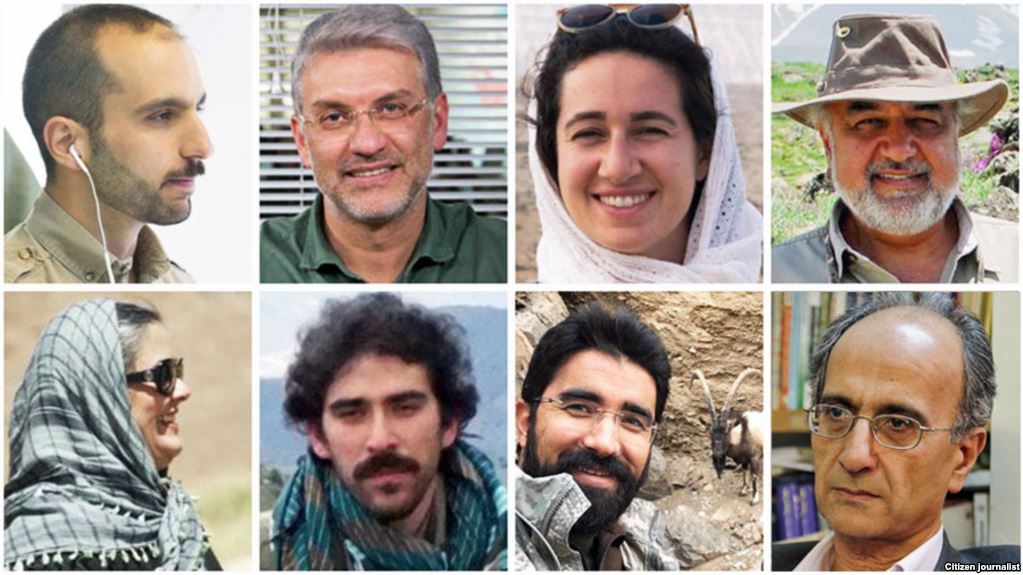
Another sign of the bitter in-fighting of the regimes comes from the arrest and detention of seven Iranian environmentalists accused of espionage, but never formally charged.

The regime’s judiciary ordered the Department of Environment (DoE) to cease its investigation into the arrest of seven environmentalists. DoE head Isa Kalantari told state-run news agency IRNA that the DoE had been warned by the judiciary that the cases of the environmentalists were none of the its concern, according to Radio Farda.

Kalantari has bitterly criticized the judiciary over the proceedings against the environmentalists, which he says are shrouded in ambiguity.

Keeping the environmentalist behind bars under the vague accusation of espionage, but without filing official charges, not only violates their rights, but has also put important environmental projects on hold, Kalantari said.

Revolutionary Guards Corps intelligence agents arrested the environmentalists January 24, among them the Iranian-Canadian founder of Iran’s Wildlife Heritage, Kavous Seyyed-Emami. Two weeks later, officials announced that Seyyed-Emami had committed suicide at Tehran’s notorious Evin Prison, a story Seyyed-Emami’s friends and family categorically reject.

It’s too bad the NAIC doesn’t take up the case of these environmentalists, but that would an inconvenient truth for them to deal with.

Michael Tomlinson

Filed Under: Blog Tagged With: Featured, Iran Environmentalists, IranLobby, National Iranian American Council, NIAC

Iran Lobby Struggles with Chaos Engulfing Iranian Regime

August 27, 2018 by admin

The mullahs in Tehran continued to struggle with the fallout from re-imposed economic sanctions by the Trump administration with its withdrawal from the Iran nuclear deal, as well as mounting pressure from demonstrations and protests enveloping the country as Iranians demand relief from a death spiral of an economy and national currency.

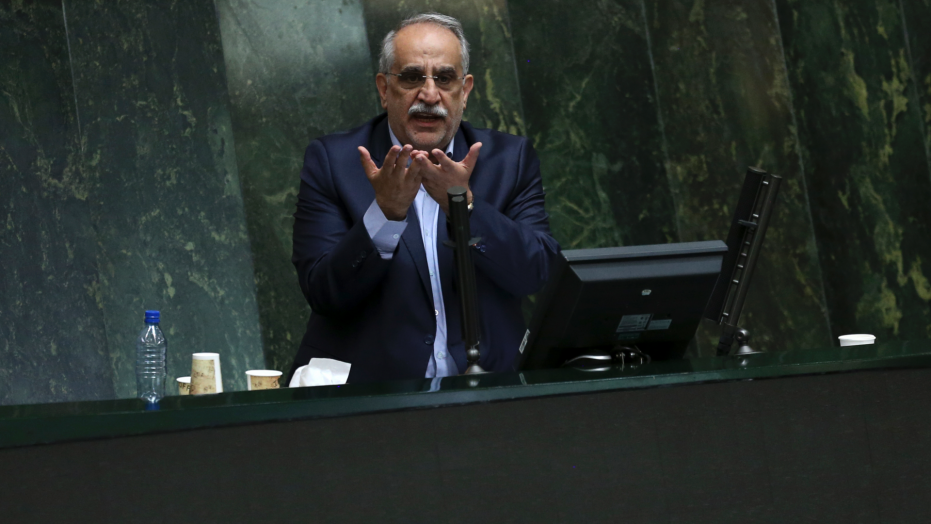
Internal dissent has festered into open chaos as the Iranian parliament acted to remove Hassan Rouhani’s beleaguered finance minister from office in a largely symbolic act to show frustrated Iranians the regime was doing something to fix their problems, although it’s doubtful any Iranian honestly believed that fiction.

The parliament backed the removal from office of Masoud Karbasian, minister of finance and economic affairs, by 137 votes to 121 against, state media said.

The sacking was the latest in a continuing shakeup of top economic personnel. In early August Iranian lawmakers voted out the minister of labor and last month Rouhani replaced the head of the central bank.

“(America’s) focus is on a psychological war against Iran and its business partners,” Foreign Minister Mohammad Javad Zarif said on Sunday, according to the Tasnim news agency.

Zarif’s statement smacks of the desperation the regime is feeling as it tries for any rhetorical volley in an effort to find anything that might stick on the Trump administration in terms of effective messaging.

The fact there has been a wholesale pullout of foreign firms from contracts in Iran such as Total, Peugeot and other leading names demonstrates just how ineffective the regime has been in the face of potential secondary economic sanctions from the U.S. that could punish anyone doing business with Iran.

One of the key requirements by the Trump administration was for the Iranian regime to rein in its support of the Assad regime and stop involving itself militarily in Syria, but the Iranian regime’s top defense official was in Damascus this weekend meeting with Bashar al-Assad and pledged to continue supporting the regime.

Iranian Defense Minister Amir Hatami said that Iran would help expand Syria’s military arsenal.

“The Islamic Republic has high capabilities in the area of defense and can help Syria in expanding their military equipment,” he said, according to ISNA.

U.S. National Security Adviser John Bolton said last week that Iran should remove its forces from Syria.

Senior Iranian officials have said their military presence in Syria is at the invitation of the Assad government and they have no immediate plans to withdraw.

More than 1,000 Iranians, including senior members of the Revolutionary Guards, have been killed in Syria since 2012.

The Guards initially kept quiet about their role in the Syria conflict. But in recent years, as casualties have mounted, they have been more outspoken about their engagement, framing it as an existential struggle against the Sunni Muslim fighters of Islamic State.

In reality, Iranian intervention in Syria was vital in order to preserve one of the very few allies the Iranian regime has from being deposed as part of the democracy movement protests sweeping across the Middle East in 2010.

The end result of that military intervention was over half a million men, women and children killed and nearly five million refugees flooding into Europe as well as the rise of ISIS and years of terrorist attacks on Europe, Asia, the U.S. and Canada.

While there is much speculation about Rouhani’s future, the truth is that he is largely irrelevant since top mullah Ali Khamenei remains the firm head of the regime both spiritually and practically. Rouhani’s ultimate utility will be as a scapegoat to protect Khamenei and the other mullahs from the wrath of the Iranian people.

Parliament members have also called for the impeachment of the education and interior ministers, and others have said the industry and housing ministers should be impeached if Rouhani doesn’t shake up his economic team himself, according to the Wall Street Journal.

Iran’s economic outlook has darkened in recent months. Analysts at BMI Research in London project economic growth to slow to 1.8% this year, followed by a contraction of more than 4% next year.

Of course, the Iran lobby, especially the National Iranian American Council, are trying to make the argument that Rouhani’s downfall would only leave the regime in the hands of hardliners, but that message misses the entire fact that since Rouhani’s election which was manipulated by Khamenei, the hardliners have never loosened their grip on power.

The Iran nuclear deal was solely designed to get Iran desperately needed cash to save its military intervention in Syria and allow it to rearm and rebuild its depleted military. The fact that Iran’s economy has tanked is a result of that diversion of much-needed capital from the Iranian people to the military.

It’s no wonder why protesting Iranians have chanted since last December to get out of Syria and stop supporting Hezbollah in Lebanon.

The NIAC posted a roundup of news items in an effort to try and portray how Iran is slipping into the grip of hardliners because of the new economic sanctions, but the past three years prove how silly that idea is since the regime has flexed its military muscle throughout the Middle East while cracking down harshly on dissenters at home.

These are not the actions of a “moderate” government as the NIAC would have you believe. What we may be seeing those are the desperate thrashings of a regime being crushed from all sides.

Filed Under: Blog Tagged With: Featured, Iran Economy, Iran Lobby, Iran sanctions, Moderate Mullahs, NIAC, Rouhani

Shutdown of Fake Facebook Accounts Reveal Depths of Regime Deception

August 23, 2018 by admin

In an era of fake news and the aftermath of claims that Russia tried mightily to interfere and influence the U.S. elections in 2016, news that Facebook shut down 652 fake accounts and pages – many linked to the Iranian regime – reveals the art of deception is alive and well in Tehran.

The social network said it removed 652 pages, groups and accounts for “inauthentic behavior” that originated in Iran and targeted people with news and information including political content in the U.S., U.K., Middle East and Latin America, according to Bloomberg.

The effort to manipulate social-media users also occurred on Twitter, which followed Facebook’s announcement by saying it had removed 284 accounts, including many that originated from Iran.

“Security is not something that you ever fully solve,” Facebook Chief Executive Officer Mark Zuckerberg said Tuesday on a call with reporters. “The shift we made from reactive to proactive detection is a big change, and it’s going to make Facebook safer for everyone over time.”

In order to find and remove the campaigns, Facebook said it acted on tips from the U.S. government and the security firm FireEye. The narratives pitched by the manipulation efforts included anti-Saudi, anti-Israeli, and pro-Palestinian themes, as well as support for specific U.S. policies favorable to Iran, such as the U.S.-Iran nuclear deal, FireEye said in a blog post.

According to FireEye’s report, the misinformation campaign involved a network of news sites and accounts on Instagram, Twitter, Google+, and YouTube.

Example publications were “US Journal” and “Critics Chronicle,” which purported to be independent news sites based in California and Birmingham, England, respectively.

Anti-Trump material was also prevalent among the fake accounts which isn’t surprising given the Trump administration’s efforts to re-impose economic sanctions on the Iranian regime.

“It’s a similar order of magnitude to what we saw from the Russian troll farm, so that is a substantial operation,” Ben Nimmo, senior fellow at the Atlantic Council’s Digital Forensic Research Lab, told VICE News. “They were running websites in at least English, Spanish and Arabic, which again suggests a fairly substantial effort. Pushing out a lot of memes and a lot of content.”

The network of accounts and pages had hundreds of thousands of followers on Facebook and Instagram. The Iranian-linked network also organized at least 28 events on Facebook, although company officials declined to provide any information about the events, saying they were still under investigation. Some of the accounts also engaged in more traditional cyberattacks, such as attempting to hack into users’ accounts or spread malware, according to the Globe and Mail.

Last year, FireEye analysts uncovered a campaign dubbed APT 35, or Newscaster, by Iranian hackers who created fake journalist accounts on social media.

The cyberwarfare efforts by the Iranian regime underscore how completely ridiculous the claims of the Iran lobby were about Iranian moderation in the wake of the nuclear deal with the Obama administration.

The revelations and actions taken by Facebook and Twitter are also inconvenient for the Iran lobby, especially for the National Iranian American Council as it struggles to find an audience for its pro-Iran regime messages amongst an increasingly skeptical audience in news organizations and American voters.

Faced with terrible news about brutal suppression of dissent in Iran by the mullahs and crushing economic news fueling those protests because of rampant corruption and gross mismanagement by the mullahs, the NIAC is left to try and make the silly argument that the Trump administration is gearing up for war with Iran.

Given the state of the Iranian economy and the frustration level of the Iranian people, the Trump administration doesn’t need to do much except cheerlead as it is becoming more likely that the Iranian people themselves are going to force the kinds of democratic changes that have been long overdue.

An example of the bipolar nature of the NIAC’s messaging is in two pieces by Trita Parsi, NIAC founder, in Axios and Lobelog.

In Axios, he tries to make the argument that the U.S. is seeking regime collapse in Iran, thereby making Europe nervous.

“European analysts and diplomats alike are increasingly concerned that the Trump administration might be pursuing a policy of destabilizing Iran. The administration’s abrogation of the Iran nuclear deal, new economic sanctions and explicit encouragement of continued protests in Iran have contributed to the ongoing unrest there, which has begun to seem a goal in itself,” he writes.

Then in his Lobelog piece, Parsi claims that President Trump may be a lone wolf in his administration’s foreign policy team by advocating for meeting with Iran’s Hassan Rouhani.

“Trump, who mindful of his fondness for summits and his desire to be seen as a deal maker probably does want to meet with the Iranians, appears rather alone in favoring a pivot to diplomacy,” Parsi writes.

It’s amazing verbal and mental flexibility for Parsi to make opposite claims in two separate editorials within the same 24-hour period, but it gives everyone an idea of how Parsi and the rest of the Iran lobby is literally throwing any kind of fecal matter at the journalistic wall to see what might stick.

It’s no different than the Iranian regime’s social media disinformation campaign which slung just about any silly idea, meme or retweet in an effort to convince Americans that Iran deserves to sell its oil and use the profits to continue funding terrorism.

It’s unfortunate Twitter and Facebook didn’t shut down the NIAC’s accounts for fake news.

Filed Under: Blog Tagged With: Featured, Iran Lobby, National Iranian American Council, NIAC

Suspected Iran Regime Agents Arrested Prove Claims of Iran Lobby Are False

August 22, 2018 by admin

One of the more memorable claims made constantly by the Iran lobby during negotiations over the Iran nuclear deal two years ago was that its passage would embolden moderate forces within the regime government and nudge it to a more stabilizing influence in the region and world.

We now know how utterly wrong that promise was since the deal was approved, but more importantly, the agreement emboldened – not moderate influences within the regime – but the hardcore sentiments of the mullahs controlling the regime to crack down even harder on dissent at home and abroad.

Chief among those dissenters were those amongst the Iranian diaspora around the world actively working to promote democracy and freedom within Iran, especially anyone associated with the Mujahideen-e Khalq (MEK), the oldest and largest of the Iranian dissident groups abroad.

The MEK has been a particularly annoying thorn in the side of the mullahs since it has helped break closely-held secrets of the regime such as the existence of its then-clandestine nuclear program.

The MEK has also been a conduit for videos, photos and news from within Iran smuggled out to give the world a glimpse of the atrocities committed by the regime such as gruesome public hangings, as well as protests and demonstrations by Iranians against the government both large and small, including the most recent waves of protests stemming from deep dissatisfaction over the faltering economy.

For the mullahs, the mere existence of an organized and global resistance movement comprised of Iranians is galling and worrisome since it shows how the regime’s rule is neither benevolent, nor popular.

The threat posed by groups such as the MEK is such that the regime has waged a secret war against its members including launching attacks on refugee camps in Iraq housing MEK members resulting in the massacres of MEK members in an effort to eradicate the resistance movement.

As pressure has mounted on the Iran regime because of its floundering economy and death spiral in the value of its currency, the mullahs have grown increasingly desperate to strike at its perceived mortal enemies; their fellow Iranians.

Last July, Belgium authorities arrested an Iranian couple and charged them with an “attempt at terrorist murder and preparing a terrorist crime” in a planned bombing attack on an Iranian freedom gathering in Paris with the MEK as one of its chief participants.

Additionally, German authorities arrested an Iranian diplomat from Vienna who was implicated in providing support and assistance to the couple in planning the attack.

Now we have news that U.S. prosecutors announced charges Monday against two men arrested Aug. 9 and accused of acting as agents of the government of Iran, covertly monitoring a Jewish center in Chicago and American members of the MEK on behalf of the Iranian regime government.

Criminal complaints against Ahmadreza Mohammadi Doostdar, 38, a dual U.S.-Iranian citizen, and Majid Ghorbani, 59, an Iranian citizen and resident of California, were unsealed after an indictment was returned Monday in the District of Columbia, according to the U.S. Justice Department and U.S. attorney’s office of the District.

“Doostdar and Ghorbani are alleged to have acted on behalf of Iran, including by conducting surveillance of political opponents and engaging in other activities that could put Americans at risk,” Assistant Attorney General for National Security John Demers said in a statement.

“This alleged activity demonstrates a continued interest in targeting the United States, as well as potential opposition groups located in the United States,” namely the Mujahideen-e Khalq (MEK) or People’s Mujahedin of Iran, said Michael McGarrity, acting executive assistant director of the FBI’s national security branch.

Doostdar and Ghorbani were charged with acting as agents of Iran, violating U.S. sanctions and conspiracy. The charges carry maximum statutory penalties of 10 years, 20 years and five years in prison, respectively, according to the Washington Post.

The Justice Department alleged that Ghorbani took pictures of participants at a MEK rally in New York last September and that Doostdar paid him $2,000 in cash for the photos during a meeting in Los Angeles later.

He later attended another MEK rally in Washington, DC in which he “appeared to photograph certain speakers and attendees, which included delegations from across the United States.”

The photographing of MEK participants is disturbing since the Iranian regime has already acted in the past to try and assassinate and kill its members. It also raises the specter that the regime is attempting to identify MEK members who may have relatives living in Iran who could be arrested and imprisoned in order to put pressure on the MEK.

The hardball tactics are nothing new to the regime and its intelligence services, especially its Ministry of Intelligence which has led the charge against the MEK for decades.

It also was not surprising to find the Iran lobby completely silent on the matter with no mention from the National Iranian American Council or any other Iran supporters about the purported surveillance operation being conducted by the Iranian government on U.S. soil.

The regime has also stepped up its practice of arresting dual-national citizens, especially from the U.S., Canada and Europe to use as political pawns, as well as arrest scores of Iranian citizens caught protesting the regime or simply acting contrary to its medieval sensibilities.

These actions though once again are proof that the MEK is a singular threat to the regime’s continued existence and one that is gaining strength with the protest movement within Iran.

Filed Under: Blog Tagged With: Featured, Iran Lobby, mek, NIAC

Iran Lobby Misinforms on Who is Hurt Most by Iran Sanctions

August 13, 2018 by admin

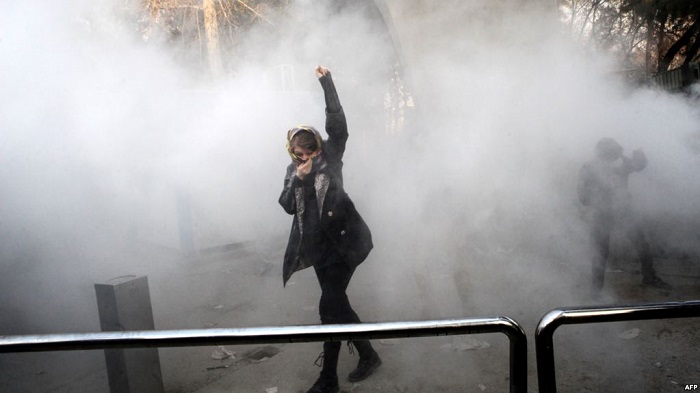
A student raises her arm in protest to the Iranian regime's repressive measures against peaceful protesters in Tehran-January 2018

The Iran lobby has scrambled to find the right kind of response to the re-imposition of economic sanctions by the Trump administration. It has tried to shield the mullahs from any culpability for leading Iran down this path with their support for terrorism and proxy wars that have devastated the region.

It has even tried to argue that sanctions will only spur a new regional arms race as the regime is sure to race towards developing a nuclear weapon now that it is freed from the nuclear agreement’s restrictions by the U.S. withdrawal.

In each case the response from news organizations and international governments has been muted because there is no argument with the facts that the regime is brutal and at fault for virtually all of the sins President Donald Trump cited in his decision to pull out of the nuclear deal.

The only feeble response from supporters of the regime has been the whining wail that the regime was in compliance with the agreement and all of the other despicable acts the regime commits, especially against its own people, are outside of the agreement’s scope.

That technicality is at the heart of what made the nuclear so problematic in the first place and why the Iran lobby is yet again shifting its message to a new tack.

Jamal Abdi, the new president of the National Iranian American Council and chief Iran lobby cheerleader, offered in an editorial in the progressive blog Lobelog.com, that the real victims of economic sanctions were the Iranian people.

“The reality is that Trump’s pressure campaign weakens those within Iran who seek more conciliatory foreign relations and a more open political and social domestic landscape. It also empowers Tehran’s most reactionary forces,” Abdi writes.

If it is impolite to call someone an outright liar, then we would have to watch our language and simply say Abdi is being disingenuous with his comments.

The stark reality is that there was never any hope of moderation within the Iranian regime with the Obama-negotiated nuclear deal since the ruling mullahs never had any intention of loosening their grip on power.

The elimination of any potential rival candidates from presidential and parliamentary election slates following the deal ensured that, as well as historically massive crackdowns on the Iranian people, including a round up and imprisonment of any dissenting viewpoint – real or imaginary – as thousands of women, students, journalists, activists, bloggers, artists and even YouTubers ended up in Iranian prisons.

“The repressive powers in the Islamic Republic are far more threatened by Iran’s integration into the global economy than by a tit-for-tat dispute with the United States. They worry that the lifting of sanctions will undermine the monopolies established by the well connected few who are aligned with the Revolutionary Guards and other government entities. Indeed, after the nuclear deal, the Supreme Leader issued edicts against a broader opening to the United States and hardliners repeatedly warned of ‘foreign infiltration’ in order to obstruct President Hassan Rouhani’s outreach to the West,” Abdi added.

Another fabrication from him as the reality is that virtually all of the Iranian economy is controlled by the state through the family dynasties of ruling mullahs or the Revolutionary Guard Corps which controls the largest companies in the petroleum, telecommunications, banking, manufacturing, transportation and energy industries.

Integration back into the global economy was a boon for the Iranian military, allowing it to refill its coffers, depleted by the wars in Syria and Yemen, and mobilize proxy militias in Iraq and Afghanistan.

When foreign companies such as Peugeot, Total and Airbus quickly moved in to sign deals with the regime, who was getting the benefits? Certainly not the Iranian people who’s standard of living has plummeted under the mullahs’ rule.

The much-promised economic windfall promised to the Iranian people after the nuclear deal was signed never came and in response the Iranian people have chosen to risk their lives in ongoing, massive demonstrations sweeping throughout the country since last December and into a sweltering summer of discontent.

“The real threats to repressive rule in Iran are a growing middle class, an organized civil society movement, and leaders who have the political capital to push for change against entrenched elements in the system. These trends make a democratic Iran inevitable. But outsiders, often led by the United States, have taken actions to arrest these developments. They have propped up Iran’s repressive rulers with threats of war and invasion, and bailed them out by slapping sanctions and travel bans to isolate Iranians and keep them weak,” Abdi said.

This last point is the most damning by the Iran lobby since the regime has done its level best to eradicate the Iranian middle class with manipulation of its currency and restrictions that have skyrocketed inflation and pushed the rial down to near Weimar Republic levels.

The defiance of Abdi’s claims comes in the form of the protests taking place throughout Iran by the Iranian people, including his much-vaunted middle class who have been hit hard by the regime’s deep corruption in the economy.

Couple that with the oppressive human rights situation in which women have been tossed in jail for protesting hijab requirements and the feisty mood of the Iranian people can be seen almost every day on Iranian streets and in town squares and marketplaces.

What many in the Iran lobby are terrified of is that the Iranian people will indeed be able to exert enough pressure internally to force the kinds of liberalization and democratization it promised with the nuclear deal but failed to deliver.

The Financial Times editorialized the same sentiment in but only gets it half-right:

“It would, however, be far preferable if Iran moved towards a more liberal and open regime through a process of domestic reform, rather than as a result of crushing external pressure. The history of Iran and the wider Middle East gives ample warning that sudden violent changes in government have rarely led to happy outcomes — particularly when they have had external sponsors,” the FT’s editorial board said.

Iran’s mullahs are never going to give up power as a result of gentle persuasion. Only a massive build up of outrage by the Iranian people coupled by economic sanctions aimed directly at gutting the financial pipeline to the military is the only pathway to gain the internal regime change the FT describes.

The history of the Middle East tells us that change does not come easily, nor politely. It comes only through the convergence of external pressure coupled with internal reforms.

We believe that opportunity is finally coming to Iran.

Filed Under: Blog, Current Trend, Duping Anti-War Groups, Latest from Lobbies & Appeasers Tagged With: Featured, Iran deal, Iran Lobby, IranLobby, Jamal Abdi, NIAC, Sanctions

Iran Regime Does Not Know How to Respond to US Sanctions

August 8, 2018 by admin

Rouhani's speech that was broadcast live by Iran's state media on August 6, 2018

At the height of negotiations between the Iranian regime and the group of nations collectively known as the P5+1, the mullahs exercised a certain sure footedness in terms of their messaging and using the echo chamber of the Iran lobby working in concert with the Obama administration to cultivate the popular myths that the best hope for moderation in Iran was to approve the deal with major concessions for the regime.

The regime was united in its public statements with Hassan Rouhani playing the useful role of moderate leader struggling against the forces of hardliners and zealots. Even the Revolutionary Guard Corps played along by putting its terrorist operations on hold around the world lest countries got jittery.

In the aftermath of that badly flawed deal the Iranian regime reaped its benefits; namely billions in hard cash it quickly funneled to keep the Assad regime afloat in Syria, as well as rebuild and rearm its military and mobilize terrorist proxies such as Hezbollah and Iraqi Shiite militias to fight rebels there.

The mullahs also had a free hand to crack down on dissent at home with an almost ruthless glee as Rouhani oversaw a historic increase in the number of public hangings taking place in town squares and village marketplaces all over Iran. Add to that the spectacle of parliamentary and presidential elections held without any competing candidates allowed on the ballot and you have a cozy vision of what life was like post-nuclear deal.

Unfortunately for the mullahs, Donald Trump was elected president and with him came his promise to undo the nuclear deal which he fulfilled starting this week accompanied by his usual string of tweets in a blistering barrage castigating the regime and its blatant disregard for international and regional peace and stability over the last three years.

It is one of those rare times in history when a country run by a bunch of theocratic, demagogues is flummoxed.

No longer could the mullahs rely on their well-oiled Iran lobby PR machine to put its muscle into shaping U.S. policy. No longer did they enjoy easy and open access to the White House and State Department. No longer could they predict muted U.S. responses to any transgression such as taking more dual-national U.S. hostages or even seizing some U.S. Navy patrol boats.

Instead the mullahs are faced with two very inconvenient truths: This U.S. president doesn’t trust them and is perfectly happy to put the screws to them; and the U.S. economy is leading the world economy now in growth which places its economic muscle front and center in warning off European and Asian companies to rescue the moribund Iranian economy.

Even the president’s offer to meet with Rouhani “anytime, anywhere” has baffled the Iranian regime since for them, it’s a no-win situation.

But if Rouhani chooses not to meet with Trump, he’ll be blamed for not engaging in diplomacy and puts to a lie the Iran lobby’s first commandment of “engagement leads to moderation.”

This conundrum is so profound that Rouhani himself has given contradictory answers in the span of the same speech.

On Monday, Rouhani made remarks in a televised address in which he declared Iran could not enter talks with President Trump because he was “untrustworthy.”

“You cannot expect to talk to a person after you stab him and leave the knife in his body,” Rouhani, speaking in Persian, told IRIB state television.

Rouhani goes on to characterize the president’s meeting offer as a form of “psychological warfare aimed at his regime.

Then in the same speech, Rouhani goes on to say he welcomed talks with the U.S. “right now.”

“I don’t have preconditions. If the US government is willing, let’s start right now,” Rouhani said.

Under normal circumstances one could write off Rouhani’s remarks as simple hyperbole, but the truth is that his bipolar remarks highlight the squeeze he and the rest of the theocracy are in as a wearying population is enraged by government corruption, endless wars and deep distrust of its leadership.

President Trump made the sanctions more impactful by warning that any companies doing business in Iran would be barred from doing business with the U.S.

And it seems to be working as German carmaker Daimler AG froze a plan to make Mercedes Benz trucks in Iran. That’s even after the European Union tried to salvage the Iran nuclear deal by pledging to protect firms from Trump’s assault.

“I wouldn’t be surprised if more companies were to follow Daimler out of Iran,” said Frank Biller, an automobile analyst based in Stuttgart, Germany for Landesbank Baden-Wuerttemberg. “With the political situation right now, I’m sure a lot of companies are at least thinking about suspending their activities.”

All of which makes Rouhani’s efforts to praise European nations in resisting the U.S. sanctions ring all the more hollow and desperate sounding.

The Iranian regime, and more importantly the ruling mullahs, are finding themselves quickly being isolated not only from global commerce but even their own people, setting the stage for what has been a longed—for goal among Iranian dissidents and opposition groups: the opportunity for real democratic reform and regime change.

Filed Under: Blog, News Tagged With: IranLobby, NIAC, Rouhani, Trump

Iran Lobby Criticisms of Iran Economic Sanctions Misses the Point

August 7, 2018 by admin

President Trump signs the Presidential order to snap back first series of sanctions - August 6, 2018

For all of the verbose and critical language the Iran lobby has aimed at the Trump administration for de-certifying the Iran nuclear agreement and re-imposing economic sanctions this week, they miss the one essential truth they cannot defend which is this whole mess is the fault of the mullahs in Tehran, not the U.S.

The Iran lobby, most notably the National Iranian American Council, have long argued the nuclear deal negotiated by the Obama administration was “working.” It was a misleading label from the start because the administration, under the influence of the “echo chamber” created by the Iran lobby to bolster American public opinion, literally gave away the proverbial store.

Among the most notable omissions in the agreement:

  • No restrictions on Iranian regime’s ability to develop nuclear-capable intercontinental ballistic missiles designed to deliver payloads around the world;
  • No restrictions on Iran’s ability to funnel cash delivered as part of a payoff to free American hostages held by Iran to terrorist groups such as Hezbollah or to buy weapons from Russia and China later used by terrorists in Yemen, Iraq and Syria; and
  • No requirements for Iran to improve its human rights situation, including releasing political prisoners, halting crackdowns on journalists, students, bloggers, artists, ethnic and religious minorities, and repealing laws that oppress women such as banned jobs, morals codes and misogynistic behavior.

But what the NIAC and others in the Iran lobby fail to ever mention is Iran’s role in the Syrian civil war and the carnage it unleashed resulting in the slaughter of almost half a million men, women and children and creating over four million refugees.

It also spawned the rise of ISIS and a series of terrorist attacks that struck at almost every part of the world including London, Birmingham, Orlando, Brussels, Nice, Ottawa, Sydney, San Bernardino and the list goes on and on.

For these reasons and more, President Trump followed through on a central campaign promise in pulling out the nuclear deal. His decision wasn’t a surprise to anyone, including the Iran lobby, but that hasn’t stopped the NIAC and others from doing their best to stab at the president’s actions.

Among the sanctions being imposed include several that the Obama administration declined to enforce in the first place.

Iran will no longer be able to engage in trade using US dollars, a cornerstone of international business for the country. The country will also, according to Trump administration officials, be blocked from trade in gold and other precious metals, the import of graphite, aluminum, steel, coal, and software used for industrial purposes, and participation in the automobile market, according to BuzzFeed.

The NIAC has called for European countries to bail out Iran and commit to their business deals with the Islamic state, but already a mass exodus of companies including Peugeot and Total has streamed away from Iran.

While the sanctions are sure to be troubling to Iran, even harsher sanctions are on deck to come into effect in November. Those will target Iran’s oil exports as well as transactions between foreign banks and the Central Bank of Iran.

A senior administrative official reiterated that the US goal is to get imports of Iranian crude to zero and that the US is not looking to give exemptions or waivers when those sanctions hit.

The NIAC, in a briefing memo posted on its website, consistently characterizes the nuclear agreement as “successful” but in reality the agreement ended up being the tool by which Iranian regime replenished its cash reserves, went on a massive arms buying spree and proceeded to aid in the gassing and killing of hundreds of thousands of people in the Middle East.

If the mullahs were hoping to save themselves and the Assad regime, then the nuclear deal was indeed a stunning success from that standpoint.

The harsh reality though for the mullahs and the Iran lobby is that conditions have changed significantly over the past three years, not only in Washington, DC, but also on the streets of hundreds of villages, cities and towns throughout Iran as waves of protests push the regime into a decision whether or not to crackdown on its own people again or finally entertain the notion that democracy, a real genuine democracy, needs to take root in Iran.

Thomas Erdbrink in the New York Times was one of only several journalists chronicling the protests erupting in Iran, the likes of which are rarely seen as these protests are being fueled by the poor and middle classes and focused on the poor economy, death spiral in the currency values, gross mismanagement, incompetence in the government and rampant corruption by the ruling elites.

“Some demonstrations — about the weak economy, strict Islamic rules, water shortages, religious disputes, local grievances — have turned deadly. The protesters have shouted harsh slogans against clerical leaders and their policies. The events are broadly shared on social media and on the dozens of Persian language satellite channels beaming into the Islamic republic,” he writes.

“Videos show that some protesters have gone well beyond strictly economic grievances to challenge Iran’s foreign policy and religious rules. Secular protest slogans aimed at Iran’s leadership also criticize its support for Syria and groups in the Palestinian territories and in Lebanon,” he added.

Erdbrink who usually writes in a favorable manner, appeasing the mullahs in Iran, writes that predictably in-fighting among the ruling elites as to who is to blame is rising as the mullahs struggle to offer solutions to the Iranian people that don’t involve slogans or a policeman wielding a baton.

While the Iran lobby struggles to get its message out, the truth is that Americans, are less likely to hear that same echo chamber this time around.

Filed Under: Blog, News Tagged With: Featured, Iran deal, Iran Lobby, JCPOA, National Iranian American Council, NIAC

  • « Previous Page
  • 1
  • 2
  • 3
  • 4
  • …
  • 26
  • Next Page »

National Iranian-American Council (NIAC)

  • Bogus Memberships
  • Survey
  • Lobbying
  • Iranians for International Cooperation
  • Defamation Lawsuit
  • People’s Mojahedin
  • Trita Parsi Biography
  • Parsi/Namazi Lobbying Plan
  • Parsi Links to Namazi & Iranian Regime
  • Namazi, NIAC Ringleader
  • Collaborating with Iran’s Ambassador

Recent Posts

  • NIAC Trying to Gain Influence On U.S. Congress
  • While Iran Lobby Plays Blame Game Iran Goes Nuclear
  • Iran Lobby Jumps on Detention of Iranian Newscaster
  • Bad News for Iran Swamps Iran Lobby
  • Iran Starts Off Year by Banning Instagram

© Copyright 2026 IranLobby.net · All Rights Reserved.