Iran Lobby

Exposing the Activities of the lobbies and appeasers of the Mullah's Dictatorship ruling Iran

  • Home
  • About
  • Current Trend
  • National Iranian-American Council(NIAC)
    • Bogus Memberships
    • Survey
    • Lobbying
    • Iranians for International Cooperation
    • Defamation Lawsuit
    • People’s Mojahedin
    • Trita Parsi Biography
    • Parsi/Namazi Lobbying Plan
    • Parsi Links to Namazi& Iranian Regime
    • Namazi, NIAC Ringleader
    • Collaborating with Iran’s Ambassador
  • The Appeasers
    • Gary Sick
    • Flynt Leverett & Hillary Mann Leverett
    • Baroness Nicholson
  • Blog
  • Links
  • Media Reports

This Memorial Day Remember Victims of the Iran Regime

May 31, 2016 by admin

This Memorial Day Remember Victims of the Iran Regime

This Memorial Day Remember Victims of the Iran Regime

Memorial Day, which recognizes service personnel killed in the line of duty, originated from Decoration Day after the American Civil War in 1868 and formalized as a commemoration of all the men and women who died while serving.

Unlike Veterans Day, Memorial Day recognizes the greatest sacrifice made by those donning the uniform and making the ultimate sacrifice for the protection of their loved ones and the ideals and way of life embodied in America.

But for our purposes, Memorial Day is also an appropriate time to reflect on all those who have paid the ultimate sacrifice for freedom, dignity and human rights at the hands of the mullahs of Tehran.

Since the takeover of the revolution in Iran in 1979, the mullahs and religious cohorts have placed a stranglehold on the Iranian people; enforcing their own nihilistic vision of Islamic law that imposes the most dreaded penalties for the slightest deviations from their reactionary thought.

But the mullahs were never simply content to violate every basic right of the people of Iran, they also wanted to extend their extremist vision of Islamic revolution throughout the world and most especially to their closet neighbors in order to create a kind of Islamic Warsaw Pact to shield the revolution from potential challenges.

From the crafting of its constitution to the construction of its judiciary and religious courts, the mullahs have sought to impose their will in virtually every part of Iranian life; from fashion and the economy to foreign policy and women’s rights.

As part of that zealotry, the mullahs have undertaken a militant foreign policy over the last 30 years that has spurred war, terrorism and death throughout most of the Middle East. They have done so through the supplying of proxies such as Hezbollah, their long-time terrorist ally, to Shiite militias and insurgents in Iraq to Houthi rebels in Yemen.

Most notably, Iran largest military commitment outside of the Iran-Iraq War has been its full-fledged participation in the Syrian civil war to keep the regime of Bashar al-Assad firmly in control no matter the collateral damage or consequences.

The butcher’s bill for the mullahs over the years has been long and bloody and it is worth remembering this Memorial Day so the world does not forget the suffering, loss and misery inflicted by them:

  • On October 23, 1983, in Beirut, Lebanon, during the Lebanese Civil War, two truck bombs struck separate buildings housing United States and French military forces—members of the Multinational Force in Lebanon (MNF)—killing 241 U.S. and 58 French servicemen, six civilians, under the direction and with the support of the Iranian regime;
  • Almost 4,500 U.S. service members were killed in Iraq between 2003 and 2014 with at least 500 U.S. military deaths in Iraq and Afghanistan directly linked to Iran and its support for anti-American militants according the U.S. defense officials;
  • On April 23, 2016, the United Nations and Arab League Envoy to Syria put out an estimate of 400,000 people had died so far in the Syrian war, in which Iran has supplied Quds Force, Revolutionary Guard fighters and commanders, as well as supplied Hezbollah troops and Afghan mercenaries equipped with Iranian arms and ammunition;
  • According to the United Nations, from March 2015 to March 2016 over 6,500 people have been killed in Yemen, including 3,218 civilians, as part of the civil war being waged by Houthi rebels armed and supplied illicitly by the Iranian regime;
  • In March 2016, the UN special rapporteur for human rights in Iran, said in a report to the organization’s Human Rights Council that at least 966 people were put to death in the country in 2015, roughly double the number executed in 2010 and 10 times as many as were executed in 2005. The report noted that executions in Iran were at the highest level since 1989; and
  • Iranian dissident groups such as the National Council of Resistance of Iran have documented and chronicled over 2,500 executions since the installation of “moderate” president Hassan Rouhani, with almost near daily executions of men, women and children.

The reach of the regime is long and respects no boundaries. Agents of the regime have participated in bombings and attempted assassinations in places as far away as Argentina and Washington, DC. Its forces inflict suffering by attacking places such as Camp Liberty in Iraq, home of thousands of Iranian dissidents who oppose the mullahs and are targeted by them for that opposition.

The Iranian regime’s leadership is for all intents a purposes a death cult, devoted to an Islamic extremist ideal that has no place in today’s civilized world and should be met by the international community with condemnation and indignation, not negotiations and treaties.

For the families who have loved ones killed by the regime, for the wives, sons and daughters who lost fathers to Iran-supplied IEDs, to the children of Iran who have lost fathers and mothers to the gallows of the mullahs, this Memorial Day should be marked with moments of silence and remembrance for them and their suffering and the hope for a free Iran where these types of memorials will no longer be necessary.

By Michael Tomlinson
Filed Under: Blog, News Tagged With: Featured, Iran, Iran Human rights, Memorial Day

Iran Regime Continues on Path of Extremism

May 27, 2016 by admin

Iran Regime Continues on Path of Extremism

Iran Regime Continues on Path of Extremism

Recent revelations of the fraudulent nature of the debate about the Iran nuclear deal have forced news media outlets to rethink coverage of the Iranian regime and members of Congress from both sides of the political aisle to crackdown on ever rising acts of extremism coming from Iran.

Conventional wisdom would dictate that once the Iran lobby’s efforts to buy favorable media coverage, push false messages about moderation in Iran and hopeful scenarios of a more stable Middle East, were discovered that the lobby and mullahs in Tehran would retreat to preserve their ill-gotten gains.

Instead, the opposite has happened as the Iranian regime has widened the conflict in neighboring countries, cracked down at dissent at home, and is seeking to forge more military sales to bolster its weakened military.

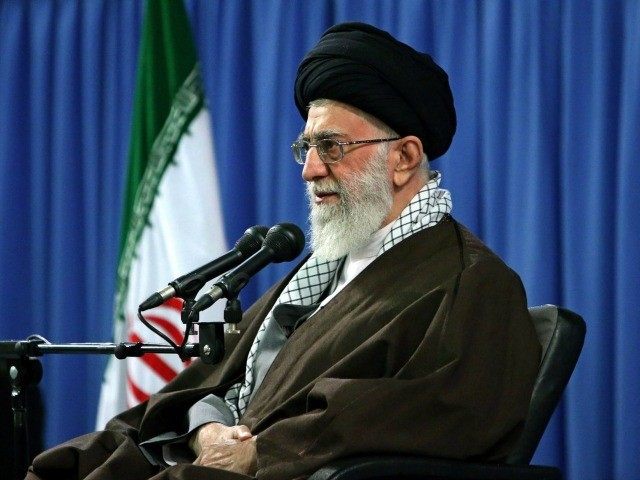
The regime’s top leader, Ali Khamenei, has spent considerable television time reiterating the policy of opposing the West, warning of infiltration and corruption of its clerical tyranny through American pop culture and social media, and maintained the need to keep up a “resistance economy” to meet the demands for continued proxy wars in Syria, Iraq and Yemen, as major parts of countries resources are spent on these wars.

Khamenei expanded on that militancy by calling for vigilance against what he described as a “soft war” mounted by the West and aimed at weakening the clerical establishment, state television reported on Thursday.

“Our officials and all parts of the establishment should be vigilant about the West’s continued soft war against Iran…the enemies want to weaken the system from inside,” Khamenei said.

In a meeting with members of the Assembly of Experts, with authority to appoint and dismiss the supreme Leader, Khamenei told Iranian officials:

“By impairing centers of powers in Iran, it will be easy to harm the establishment from inside.”

The 88-member assembly, consisting mostly of elderly clerics, is expected to choose any successor to Khamenei, who has the final say on all state matters.

“The only way to materialize the (1979) revolution’s goals is national unity and not to obey the enemy,” he said.

The fact that Khamenei continues to describe the U.S. as the “enemy” demonstrates clearly his views on the relationship between the two countries and undermines the narrative put forward by groups such as the National Iranian American Council of an improvement in relations with Iran.

That desire to continue ruling Iran with an iron fist has led to such a widespread crackdown on human rights that the only avenues of informal protest left to ordinary Iranians are becoming few and far between as the regime deploys new morality police squads and arrests women, journalists, artists, bloggers and pretty much anyone else expressing a divergent opinion.

For example, last Saturday, the Independent reported how a number of women living in Iran chose to cut their hair short and dress as men in a bid to bypass morality police and evade hijabs which are a legal requirement in all public places and strictly enforced, often with public beatings.

But in recent weeks, women have started sharing photos of themselves with their hair short in some images and dressed in clothes more typically associated with men in others, which campaigns against compulsory hijab, in order to move freely in public.

Enforced hijab is just one of a number of laws in Iran which discriminate against women, who need permission from male relatives to study after marrying and leave the country in some cases. Single mothers are left equally disempowered as Iranian law gives all legal rights to the father after children turn seven.

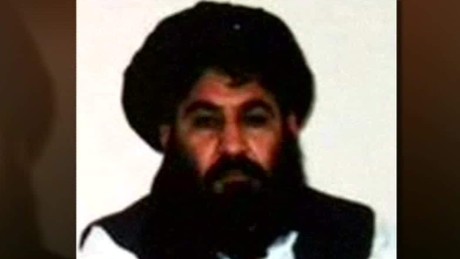
On the foreign policy front, new revelations came out in the wake of the death of mullah Akhtar Mohammad Mansour, the Taliban leader who was recently killed in a U.S. drone strike along the Iran-Afghanistan border, showing he had several trips to Iran as part of efforts to raise funds for the terrorist organization.

Mansour’s death is a major blow to Pakistan and possibly also Iran, which may have forged links with the Taliban to spread extremism in the region, according to Waheed Muzhda, a former Foreign Ministry official in the Taliban regime who is now a political analyst in Kabul.

“Iran may also have been behind the curtain to stab the U.S. in the back using Taliban militants.” Muzhda said.

Although it is Pakistan that has traditionally been condemned for secretly supporting Afghan insurgents, analysts say Iranian regime also provides weapons, cash and sanctuary to the Taliban. Despite the deep ideological antipathy between a hardline Sunni group and cleric-run Shia state the two sides have proved themselves quite willing to cooperate where necessary against mutual enemies and in the pursuit of shared interests.

Mansoor first entered Iran almost two months ago, according to immigration stamps in a Pakistani passport found in a bag near the wreckage of the taxi he was travelling in when he was killed by a US drone strike.

The potential of close coordination between the Taliban and the Iranian regime would offer more proof of the regime’s chief role in supporting virtually all of the major Middle Eastern terrorist groups such as Hezbollah, Houthis, Shiite militias and now the Taliban.

Nonetheless police and intelligence officials in western Afghanistan often complain the local insurgency is being managed and supplied with weapons and training from Iran.

We can only hope more truth emerges from the wreckage of the Iran nuclear deal’s “echo chamber” revelations.

By Michael Tomlinson

Filed Under: Blog, News Tagged With: #NuclearDeal, Featured, Iran, Iran deal, Iran Human rights, Iran Lobby, Khamenei, National Iranian American Council, NIAC

Iran Lobby Paying Price for Echo Chamber of Lies

May 26, 2016 by admin

Iran Lobby Paying Price for Echo Chamber of Lies

Iran Lobby Paying Price for Echo Chamber of Lies

The much-discussed article in the New York Times Magazine describing the Iran Lobby orchestrating of the push for the Iran nuclear deal has set off a chain of events throughout American politics and news media have begun digging deeper into the Iran lobby’s role in the effort to portray the Iranian regime as a moderate government.

Revelations have rippled out like so many stones dropped into a still pond, intersecting and converging as more news reports have come out detailing the flow of cash throughout the Iran lobby and into news organizations to help promote the nuclear deal.

Other stories have gone on to examine in great detail the organization and structure of the Iran lobby’s plans years before actual negotiations began with the Iranian regime, all of which goes to demonstrate the long view the mullahs have in achieving their goals.

Now Congress has stepped up its scrutiny, including demands for greater accountability from the Obama administration, as well as the Iranian regime’s compliance of a nuclear deal that is now suspected of being badly and deeply flawed.

This all came to the forefront as Treasury and State Department officials appeared before the House Foreign Affairs Committee in an effort to reassure skeptical Republican and Democratic lawmakers.

“We need to make sure it’s implemented to the letter,” said New York Democratic Rep. Eliot Engel, “and hold Iran’s feet to the fire with respect to” what he called its troublemaking in the region.

Engel and other lawmakers cited Iran’s support for the militant groups like Hezbollah, as well as Shiia militants in Iraq, Houthi rebels in Yemen and the regime of Syria’s President Bashar al-Assad. They also raised Iran’s ballistic missile tests in March, in particular two test-fired rockets inscribed with the Hebrew phrase “Israel must be wiped off the Earth,” according to the regime’s semi-official Fars News Agency.

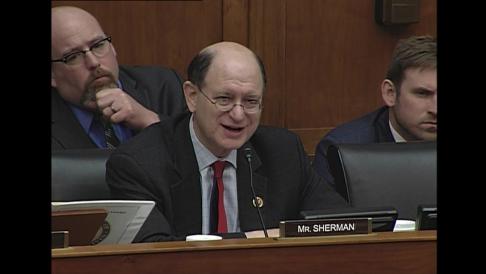
Rep. Brad Sherman (D., Calif.) heaped criticism on the Iranian nuclear deal at the hearing, calling for more sanctions on Iran to punish its military involvement in Syria.

“People in this country want us to get along with everyone around the world. We long for peace. And there are those who say that sanctions contradict that,” Sherman said. “But when you look at what Iran has done in Syria, hundreds of thousands, perhaps a million people killed by Assad, with funds provided, weapons provided, thugs provided by the Iranian government, when you see people killed by barrel bombs and sarin gas, we realize that the right response to the Iranian regime cannot be ‘kumbaya.’”

Sherman and Rep. Ed Royce (R-Calif.), the committee chairman, raised the potential for the reauthorization of the Iran Sanctions Act to keep the bulk of financial restrictions in place, especially in light of the regime’s actions following the completion of the nuclear deal.

Mark Dubowitz of the Foundation for Defense of Democracies, gave blistering testimony explaining how the Iranian regime is taking advantage of a weak nuclear deal and the Obama administration’s persistent efforts to assist the regime.

“Iran is engaged in a robust effort to legitimize its financial sector despite a decades-long rap sheet of financial crimes and illicit financial activities that it shows no sign of curbing. Since the conclusion of the JPCOA, the Obama administration has missed numerous opportunities to push back against Iran’s legitimization campaign,” Dubowitz said.

“Instead of insisting on an end to Iran’s continuing malign activities (terrorism, human rights violations, and other destabilizing activities in Syria, Iraq, Yemen, Lebanon, and other countries across the Middle East), and using non-nuclear sanctions to deter and punish these activities, the administration is now effectively acting as Iran’s trade promotion and business development authority. Indeed, the administration may be departing from its original JCPOA negotiating position that it would only suspend or lift so-called U.S. “nuclear sanctions” under its executive authority. Rather, the administration is allowing Iran to hold the U.S. responsible for delivering financial and economic outcomes,” Dubowitz added.

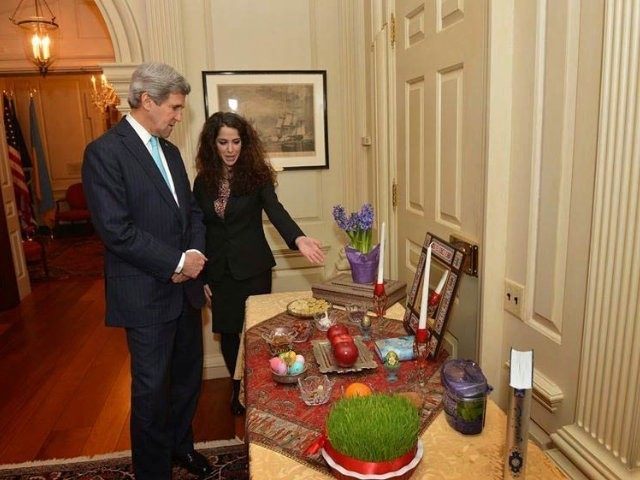
Dubowitz’s testimony also highlighted the awkwardness of Secretary of State John Kerry’s trips around the world recently as he found himself in the odd position of negotiating on behalf of promoting investment in the Iranian regime.

It is a situation that Rep. Royce highlighted at the hearing that Kerry was taking “the odd step” of reassuring foreign firms that Iran is open for business, Royce said, while “other administration officials go so far as to say that Iran economic growth is in our national security interest.”

It’s now a fact that the reassurances by the Iran lobby have less impact now that the full scope of their efforts have come to light. Coupled with the regime’s own actions over the past year, the entire basis of the Iran nuclear agreement – that the mullahs could be trusted to adhere to any international agreement – was built on an “echo chamber” of lies.

By Michael Tomlinson

Filed Under: Blog, News Tagged With: Brad Sherman, Featured, Iran, Iran deal, Iran Human rights, Iran Lobby, Iran sanctions, Iran Talks, JCPOA, National Iranian American Council, NIAC, NIAC Action

The Echo Chamber of Iran Rings with Hardliners

May 25, 2016 by admin

The Echo Chamber of Iran Rings with Hardliners

The Echo Chamber of Iran Rings with Hardliners

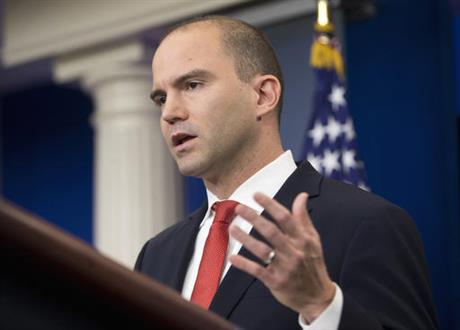
In the now-infamous article by the New York Times Magazine on how a network of Iranian regime lobbyists, activists and journalists was created to feed a false narrative about the Iran nuclear deal. National security staffer Ben Rhodes called it an “echo chamber” where so-called independent experts were in actuality actively working at the direction of the White House media operation.

The key messages, social media postings and parade of so-called “experts” was designed to put forward the story that the nuclear deal would put a stop to Iran’s nuclear development, empower moderate elements within the Iranian government and stabilize the Middle East.

Alternatively, this same echo chamber fought against any effort to link human rights, sponsorship of terrorism or strict guidelines on inspections of Iran military facilities as being destabilizing the prospects of an agreement.

Since the deal was struck last year, the world has discovered how completely wrong all those assumptions were, but worse, how the Iran lobby, directly funded with cash from groups aligned with Iran, was essentially lying.

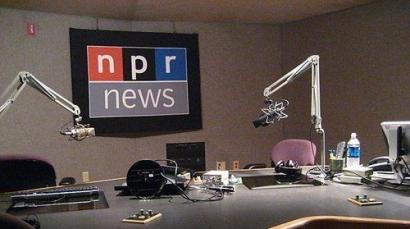
The avalanche of disclosures now come fast and furious as we begin to see the scope, size and sophistication of the Iran lobby’s efforts, especially in swaying favorable media coverage by paying news outlets such as National Public Radio hundreds of thousands of dollars for positive coverage of the deal.

Bloomberg in a report examined the full scale of the Iran lobby’s network and operations in supporting the Iran nuclear deal based a series of leaked emails he received.

It discovered that the actual campaign for the nuclear deal did not start in 2015 with negotiations as Iran regime supporters claim, but rather launched a full four years earlier with Ploughshares Fund leading the initial organization long before Rhodes began meeting with progressive groups on shaping the Iran narrative, which may indicate that the administration itself may have been played for fools by the mullahs in Tehran all along.

Beginning in August 2011, Ploughshares and its grantees formed the Iran Strategy Group. Over time this group created a sophisticated campaign to reshape the national narrative on Iran. That campaign sought to portray skeptics of diplomacy as “pro-war,” and to play down the dangers of the Iranian nuclear program before formal negotiations started in 2013 only to emphasize those dangers after there was an agreement in 2015, Bloomberg writes.

The strategy group, which included representatives of the Arms Control Association, the National Security Network, the National Iranian American Council, the Federation of American Scientists, the Atlantic Council and others, sought to “develop process and mechanism to implement Iran campaign strategies, tactics and narrative,” according to an agenda for the first meeting of the group on Aug. 17, 2011, Lake adds.

The fact that Ploughshares funds the NIAC, the chief lobbyist for the Iran regime, and convened these strategy sessions back in 2011 clearly shows the planning by the Iran lobby to create a false narrative and then sell it to the White House. That sales job was undoubtedly helped in no small part by the inclusion of former NIAC staffers hired into the National Security Council, with one former Iran lobby staffer now heading up the NSC’s Iran desk.

The centerpiece of those early strategy meetings was that the Iran lobby needed to change the “message” narrative, even though facts on the ground in Iran proved otherwise. While Iran was developing links to Al-Qaeda and exporting terrorism via Hezbollah and Houthi proxies, the Iran lobby needed to kill those stories in the media and substitute a more favorable one.

According to Bloomberg, in an Aug. 20, 2013, e-mail to the Iran Strategy Group, Joseph Cirincione, president of Ploughshares, encouraged the Ploughshares grantees to “create a social media, web, expert push that carries our main points into the media and policy discussions in the first 12-24 hours.”

The rest is – as they say – history, as the Iran lobby, led by Ploughshares money and NIAC staff, began pushing alternative messages into the media and spread around cash to news media, as well as recruiting supportive journalists such as Laura Rozen of Al-Monitor to serve as mouthpieces.

The group relied on their own network of “experts” such as Paul Pillar to serve as “impartial” third-party analysts to discuss the nuclear deal on news outlets such as NPR which was receiving funding from Ploughshares.

The sad truth is that the Middle East is by far more chaotic and dangerous than at any other time in recent memory. The international community essentially has no idea what Iranian regime’s military is doing in developing ballistic missiles or nuclear warheads in fortified bunkers that no one even knew existed until the regime showed them off in videos.

Human rights in Iran are abysmal and thousands of innocent Iranian men, women and children have been hanged, had limbs amputated, acid thrown into their faces and eyes gouged out as part of the normal Iranian justice system.

And yet, the Iran lobby utters not one word of protest. Makes no harsh remark and takes no blame for essentially creating the world we have today.

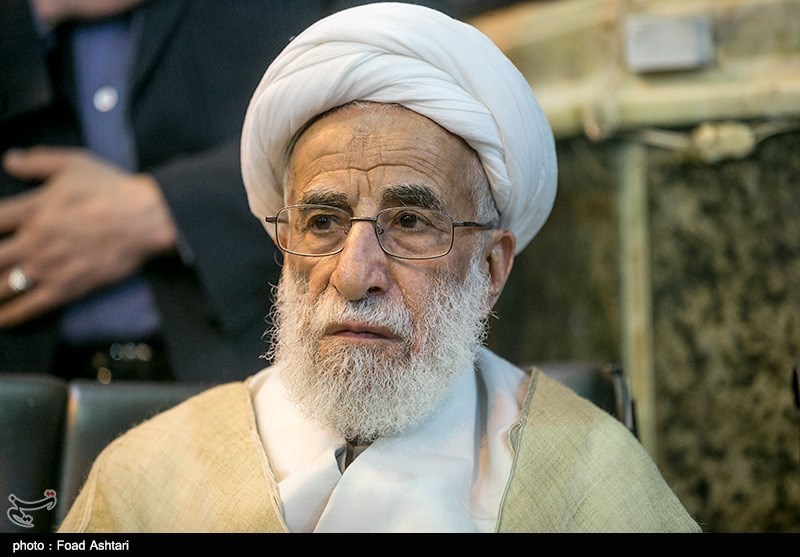
Even their most basic claim of empowering moderate elements in Iran’s government was slapped hard in the face by the announcement of the appointment of Ahmad Jannati to head up the powerful Assembly of Experts.

The 89-year old hardliner is well known for being a religious radical devoutly committed to exporting the Islamic extremism and protecting the mullahs and their ill-gotten gains.

In addition to his new post, Jannati leads the influential Guardian Council, a vetting body that disqualified over 3,000 less loyal candidates for the February elections, which were held in parallel with the vote for the Assembly of Experts.

All of which just goes to show how there are really no moderates within Iranian politics and government and to make any such distinction is to play into the narrative the Iran lobby has so studiously cultivated over the last five years.

By Michael Tomlinson


Filed Under: Blog, News Tagged With: Featured, Iran, Iran deal, Iran Human rights, Iran Lobby, Iran sanctions, Iran Talks, Joseph Cirincione, National Iranian American Council, NIAC, NIAC Action, Paul Pillar, Ploughshares

Iran Lobby Damaged by Revelations of Funding for Nuclear Deal Campaign

May 24, 2016 by admin

Iran Lobby Damaged by Revelations of Funding for Nuclear Deal Campaign

Iran Lobby Damaged by Revelations of Funding for Nuclear Deal Campaign

The expose of national security staffer Ben Rhodes admission in the New York Times Magazine concocting a string of false messages to sell the Iran nuclear deal sent shock-waves through American politics and around the world as the revelations began to sink in that the entire basis of the agreement with the Iranian regime may have been built on lies.

Even more disturbing news reports has come out now that one of the principal advocates for the deal and a central pillar of the Iran lobbying effort had paid cash directly to news organizations in a brash effort to influence favorable coverage of the agreement.

The Associated Press reported that the Ploughshares Fund gave National Public Radio $100,000 last year to help it report on the nuclear deal according to the group’s own annual report, while also funding reporters and partnerships with a wide array of other news outlets.

In the Times article, Rhodes explained how he  worked with nongovernmental organizations, proliferation experts and even friendly reporters to build support for the seven-nation accord that curtailed Iran’s nuclear activity and softened international financial penalties on Tehran.

“We created an echo chamber,” said Rhodes, a deputy national security adviser, adding that “outside groups like Ploughshares” helped carry out the administration’s message effectively.

Most news organizations, including The Associated Press, have strict rules governing whom they can accept money from and how to protect journalistic independence.

Ploughshares’ backing is more unusual, given its prominent role in the rancorous, partisan debate over the Iran deal.

The Ploughshares grant to NPR supported “national security reporting that emphasizes the themes of U.S. nuclear weapons policy and budgets, Iran’s nuclear program, international nuclear security topics and U.S. policy toward nuclear security,” according to Ploughshares’ 2015 annual report, recently published online.

Ploughshares Fund provided over 90 grants to various organizations in 2015 in order to engage in reporting, research and analysis on Iranian nuclear issues. The over 90 grants given out in 2015 nearly doubles those the organization provided in 2014, and triples the amount given in 2013. Ploughshares’ increases in grant funding directly coincides with the time period during which the Iran nuclear deal was being finalized and presented to Congress.

Also receiving grants were think tanks such as the RAND Institute which was given $40,000 to write “a series of articles that analyze specific elements of the diplomatic agreement with Iran on its nuclear program.”

Ploughshares Fund President Joseph Cirincione spoke about the Iran deal on NPR twice last year. He was identified as a donor to the radio station on only one of the two occasions.

Ploughshares also provided over $280,000 to the Iran lobby leader National Iranian American Council (NIAC) for its work supporting the Iran deal, some of which went directly towards sending NIAC staff to the nuclear negotiations in Vienna. NIAC was accused of engaging in lobbying efforts on behalf of the Iranian regime around 2007, which led to the organization’s president Trita Parsi bringing suit against journalist Hassan Daioleslam for defamation. Parsi eventually lost the protracted legal battle.

The New York Post joined in the mounting criticism of the massive lobbying and PR effort with an editorial casting doubt on Ploughshares’ claims:

“And though Ploughshares claims to be working against nuclear proliferation, it backed a soft line toward Iran and worked to enable a deal that at best will only delay Tehran from acquiring nuclear weapons,” the Post said.

Meanwhile the Washington Free Beacon examined claims by NPR that it did not deliberately deny airtime for anti-Iran deal advocates such as Rep. Mike Pompeo (R-KS) who claimed to have scheduled interviews with NPR cancelled at the last time and spots given instead to Iran deal support Rep. Adam Schiff (D-CA).

While NPR executives claimed to have no records of such bookings, emails reviewed by the Free Beacon between NPR and Pompeo’s office show otherwise, casting more doubt on the validity of NPR’s claims of journalistic integrity on the Iran nuclear deal while it was being funded by the Ploughshares Fund.

These revelations expose the tangled connections between the Iranian lobby, its financial backers and its efforts to manipulate news media and manage directly the so-called “hundreds of often-clueless reporters” as characterized by Robert Malley, senior director at the National Security Council, as quoted in the Times article.

As to where Ploughshares gets its money? Ploughshares is financed by billionaire George Soros’ Open Society Institute, the Buffett Foundation, the Carnegie Corporation of New York, the Ford Foundation, the Rockefeller Brothers Fund and the Rockefeller Foundation, among others including several notable Hollywood celebrities such as actor Michael Douglas and entertainer Barbra Streisand.

Joseph Cirincione, the president of Ploughshares, went on the offensive in an effort to blunt the growing embarrassment of these revelations with an editorial on Huffington Post in which he blamed all the attacks on a right-wing, neo-con conspiracy.

While Cirincione took aim at the writers of the Times and AP stories, he neglected to mention the central characters in this entire episode and it wasn’t Ploughshares.

It was the mullahs in Tehran for which Ploughshares and others of the Iran lobby do their bidding.

The core issue is not about donations, coverage and lobbying. It is very much about how a despotic, extremist, religiously fanatical regime is escaping notice as it executes a record 2,500 people, brutalizes the women of Iran and fights three wars in Syria, Yemen and Iraq which has turned much of the Middle East and Europe into the largest refugee center in history since World War II.

Nowhere does Cirincione defend the recent conduct of the mullahs. Nowhere does he mention the rapid development and launching of illegal ballistic missiles designed to carry nuclear warheads. Nowhere does he mention the blatant violations of even the flimsiest provisions of the Iran nuclear deal such as the inability to inspect Iranian military facilities.

The money Ploughshares has spread around like so much horse manure was never intended to expose the Iranian regime, but only to cover it up.

By Michael Tomlinson

Filed Under: Blog, News Tagged With: Appeasement policy, Featured, Iran, Iran appeasers, Iran deal, Iran Lobby, Iran sanctions, Iran Talks, Irandeal, Joseph Cirincione, National Iranian American Council, NIAC, NIAC Action, Nuclear Deal, nuclear talks, Ploughshares, Trita Parsi

Obama Adviser on Iran Worked for Pro-Regime Lobby

May 21, 2016 by admin

White House Doubles Down in Defense of Obama Adviser with Pro-Tehran Ties

White House Doubles Down in Defense of Obama Adviser with Pro-Tehran Ties

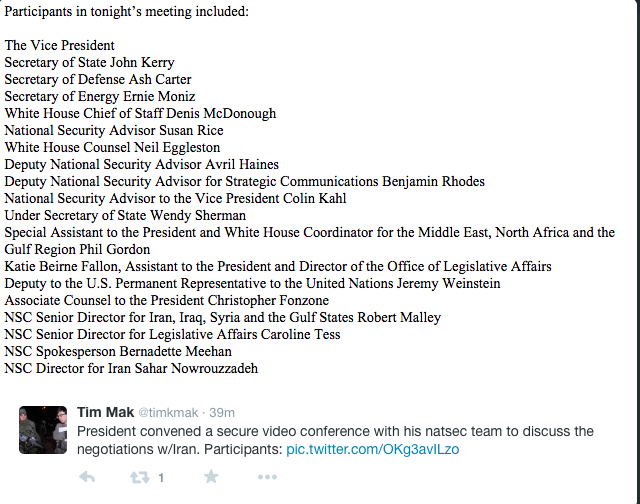
The White House released a list of its high-ranking officials who took part in a video conference with President Obama late Tuesday. Among them appears Sahar Nowrouzzadeh, who apparently has formerly worked for the National Iranian-American Council.

The White House brief, which was disclosed by The Daily Beast, listed Sahar Nowrouzzadeh as the National Security Council Director for Iran. Nowrouzzadeh appears to be a former employee of the alleged pro-Tehran regime lobbying group, NIAC (National Iranian-American Council).

Screen Shot 2015-03-31 at 8.48.17 PM.png

Breitbart News has found that a person with the same name has previously written severalpublications on behalf of NIAC. According to what appears to be her LinkedIn account, Nowrouzzadeh became an analyst for the Department of Defense in 2005 before moving her way up to the National Security Council in 2014.
A NIAC profile from 2007 reveals that Sahar Nowrouzzadeh appears to be the same person as the one who is currently the NSC Director for Iran. The profiles indicate that she had the same double major and attended the same university (George Washington).


Critics have alleged that NIAC is a lobby for the current Iranian dictatorship under Ayatollah Khamenei. A dissident journalist revealed recently that NIAC’s president and founder, Trita Parsi, has maintained a years-long relationship with Iranian Foreign Minister, Javad Zarif.

NIAC was established in 1999, when founder Trita Parsi attended a conference in Cyprus that was held under the auspices of the Iranian regime. During the conference, Parsi reportedly laid out his plan to introduce a pro-regime lobbying group to allegedly counteract the influence of America’s pro-Israel and anti-Tehran regime advocacy groups.

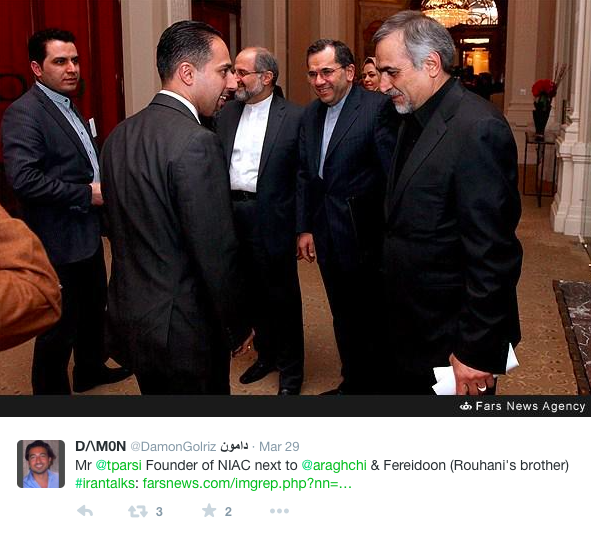
NIAC has been investing heavily in attempts to influence the talks in favor of an agreement with the state sponsor of terror. In recent days, its director, Trita Parsi, has been spotted having amiable conversation with Iranian President Hassan Rouhani’s brother.

Screen Shot 2015-03-31 at 2.22.52 PM.png

The revelations about the NSC Director’s apparent past with the alleged pro-regime group come as the U.S. has reportedly struck an agreement with Iran and the rest of the P5+1 world powers on Tehran’s nuclear weapons program.

Read More Stories About:

Middle East, National Security, Iran, Iranian Nuclear Program, National Iranian American Council, national security council, NIAC, Sahar Nowrouzzadeh, Trita Parsi

http://www.breitbart.com/national-security/2015/03/31/obama-adviser-on-iran-worked-for-pro-regime-lobby/

Filed Under: Media Reports Tagged With: Iran, Iran Lobby, Iranian Nuclear Program, Middle East, National Iranian American Council, National Security, national security council, NIAC, Sahar Nowrouzzadeh, Trita Parsi

White House Doubles Down in Defense of Obama Adviser with Pro-Tehran Ties

May 21, 2016 by admin

White House Doubles Down in Defense of Obama Adviser with Pro-Tehran Ties

White House Doubles Down in Defense of Obama Adviser with Pro-Tehran Ties

A just-retired White House National Security Council (NSC) director has written a defense of the Obama administration’s NSC Director for Iran, Sahar Nowrouzzadeh, whom Breitbart News found has previously worked for an alleged pro-Iranian regime lobbying group, the National Iranian American Council (NIAC).

Dr. Philip Gordon, Nowrouzzadeh’s former boss, wrote a defense of Nowrouzzadeh–who now serves as NSC Director for Iran–in The Washington Post’s April 5 “Letters to the Editor” section (which is usually a platform for average readers, not government officials). Oddly enough, Gordon will be succeeded by Robert Malley on April 6, according to a White House statement. This means he presumably published the letter as a government official or during his first days as a private citizen.

Nowrouzzadeh was present in closed-door conferences with President Obama last week during America’s nuclear talks with the Iranian regime, which resulted in the agreement of a basic framework for further negotiations.

Gordon, a career-academic, served as special assistant to President Obama and White House coordinator for Middle East, North Africa, and the Gulf region. In his position, he was a top member of the National Security Council. During his tenure, Gordon took a pro-diplomacy approach with the Iranian regime. He was also a fierce critic of Israel, arguing last summer (while Israel was in the midst of a defensive war with Palestinian terror group Hamas) that the country should withdraw to its 1949 armistice lines in exchange for hopes for peace with the Palestinians. A prominent pro-Israel figure went as far as to describe Gordon’s 2014 speech as “pro-Hamas.”

In the WaPo  “Letters to the Editor” section, Gordon defends the 31-year-old Nowrouzzadeh as a “loyal U.S. citizen.” Her qualifications are proven by the fact that she received “awards” from four different government agencies during her short stint in federal service, Gordon says in his letter to The Washington Post. 

The former White House official was clearly distraught by a Washington Post article on Breitbart’s exposé of Nowrouzzadeh, which joked that she could be a “sleeper agent” for the Iranian regime.

Gordon writes:

I was distressed to see that Al Kamen, in his April 3 In the Loop column, “But it says so right there: ‘For Iran,’” cast aspersion on a loyal U.S. public servant because of her name and background — even if in the form of a lame joke about dual loyalties. As the column noted, Sahar Nowrouzzadeh has worked for the U.S. government since 2005 at the Defense Department, the State Department and now the National Security Council. She has received awards from Defense, State, the Office of the Director of National Intelligence and the FBI. As her former supervisor, I’m proud of her tireless work on behalf of U.S. national security.

The former Obama assistant then downplays her role at the alleged pro-Iranian regime lobbying group. He adds, “Suggesting that she could be channeling a foreign government because of her parents’ origins and a part-time college internship she had more than a decade ago promoting political participation among Iranian Americans is deeply offensive.”

In his defense of Nowrouzzadeh, Gordon noticeably downplays the National Iranian American Council (NIAC) as a group that is “promoting political participation among Iranian Americans.” Also, Breitbart News has obtained a NIAC letter that shows Nowrouzzadeh was listed not as an intern, but as a “staff member” of the organization. The letter also showed that the alleged pro-Tehran group was lobbying against U.S. funding for Iranian opposition groups.

Top government representatives, journalists, and Iranian opposition groups have maintained for years that NIAC is working on behalf of the Iranian regime.

Senator Mark Kirk has stated that NIAC is an outfit run by “regime-sympathizers.” Former Senator Jon Kyl has made similar claims, previously demanding that the Eric Holder-led Justice Department investigate NIAC for its ties to the Iranian government.

The Atlantic journalist Jeffrey Goldberg, who maintains a close friendship with President Obama, has said that NIAC’s President does a lot of “leg-work” for the Iranian regime. Bloomberg’s Eli Lake has documented NIAC’s close ties with Iranian Foreign Minister Javad Zarif.

In an article last week on how the media is reporting on the Iran talks, Reuters referred to NIAC representatives that were present as “analysts sympathetic to the Iranian government.”

Perhaps most importantly, the vast majority of the non-Islamist Iranian opposition groups see NIAC as a mover and shaker for the Iranian regime, either through their words or in practice.

Furthermore, Gordon did not reveal his own bias towards NIAC in his defense of the 31-year-old’s prominent position as National Security Council director for Iran. Just last year, Gordon was the Obama administration’s representative at NIAC’s annual Washington, D.C., conference. He became the first senior White House official to address the conference, offering NIAC a level of legitimacy that the group had never before attained.

In his speech, Gordon praised NIAC and said that the Obama White House was willing toestablish a “new relationship” with Tehran, should the murderous regime there agree to a diplomatic accord on its nuclear program.

Gordon’s NIAC address came the same year Nowrouzzadeh became a member of the National Security Council.

Breitbart News has uncovered a NIAC founding document that stresses how important it was for the burgeoning organization to recruit and groom young staffers in hopes to influence long-term U.S. relations with the Iranian regime.

The following paragraph from the document–which pushes an Iranian-American lobby that will advance the interest of Tehran’s Islamic Republic–covers how NIAC intended to pursue its youth development program:

Creating similar types of seminars and intern opportunities to Iranian-American youth may not improve Iran-US relations in the short run, but it will help integrate the Iranian-American community into the political life of America. In the long run, a strong and active Iranian-American lobby, partly established through these seminars and by the participants of these programs, may serve to ensure that the US and Iran never find themselves in violent opposition to each other again. Arguably an Iranian-American lobby (which is different from a lobby group purely pursuing the interests of the Islamic Republic of Iran) is needed in order to create a balance between the competing Middle Eastern lobbies. Without it, Iran-bashing may become popular in Congress again.

Read More Stories About:

Jihad, Middle East, National Security, Agent Of Influence, Iran, Iran Lobby, Iranian Nuclear Program, Islamic Republic of Iran, jihad, National Iranian American Council,NIAC, Sahar Nowrouzzadeh

 http://www.breitbart.com/national-security/2015/04/06/white-house-doubles-down-in-defense-of-obama-adviser-with-pro-tehran-ties/

Filed Under: Media Reports Tagged With: Agent Of Influence, Iran, Iran Lobby, Iranian Nuclear Program, Islamic Republic of Iran, Jihad, Middle East, National Iranian American Council, National Security, NIAC, Sahar Nowrouzzadeh

Iran Arrests American Founder of Pro-Regime Lobby

May 21, 2016 by admin

Iran Arrests American Founder of Pro-Regime Lobby

Iran Arrests American Founder of Pro-Regime Lobby

Siamak Namazi, an Iranian-American citizen who helped establish a pro-Tehran lobbying group in America, has been arrested in Iran and imprisoned indefinitely.

Mr. Namazi was visiting family in Tehran when he was arrested by Iranian Revolutionary Guards Corps (IRGC) soldiers and sent to Evin Prison, according to Iranian media reports.

The detention center is infamously known for its horrific mistreatment of prisoners. The facility is noted for its routine “beatings, torture, mock executions, and brutal interrogations,” experts have said.

As the 5th American citizen now held hostage by the regime, Namazi joins the Washington Post’s Jason Rezaian, former FBI agent Robert Levinson, Christian pastor Saeed Abedini, and former U.S. Marine Amir Hekmati.

Namazi has been described as one of the “intellectual architects” of the National Iranian American Council (NIAC), a Washington, D.C.-based lobbying group that has been accused of working in support of the regime in Tehran.

He and NIAC Director Trita Parsi founded the organization as a way to continuously lobby for the removal of sanctions against Iran and to promote Iran’s foreign policy, while combating the pro-Israel sentiment in America, according to documents from a Cyprus convention that featured the two men.

Both Parsi and Namazi have strong connections with the Iranian regime’s President, Hassan Rouhani, and its foreign minister, Javad Zarif. The two have continued to actively communicate with members of the regime. Recently, Parsi was seen traveling with Iran’s delegation during the final stages of the Iranian nuclear deal talks.

NIAC has not commented publicly on Namazi’s arrest, which is believed to have occurred a week or two ago.

When reached by Breitbart News, NIAC Policy Director Jamal Abdi said that the organization has no comment at this time.

An expert on Iran suggests the arrest is the result of a power struggle within the country. Hassan Dai, the editor of the Iranian American Forum, told Breitbart News that Namazi’s imprisonment shows the Ayatollah remains completely in control of his nation’s affairs, and that even Iran’s president is powerless to protect his acquaintances from imprisonment.

Dai explained that Namazi had consistently “lobbied in favor of a faction of the regime,” which upset the Mullahs because it would only be acceptable to “lobby for the whole regime.”

The fight between the factions in Iran is a fight for “the best solution to preserve the regime,” he explained, adding that groups like NIAC have never sided with true “reformists,” but with people who wish to employ a different strategy to empower the regime, such as Hassan Rouhani and former President Akbar Rafsanjani.

Because Namazi and NIAC prefer one faction over the other, “they are undermining the Supreme Leader. They are undermining the Revolutionary Guard,” Dai explained. “When you lobby U.S. policymakers to remove sanctions against Iran with the rationale that it will help reform the regime, you undermine the Supreme Leader, because he wants them to accommodate to the regime now.”

The arrest of Namazi sends a message from Iran’s rulers that “Rouhani has no power,” Dai concluded. “He can not even protect his own friend.”

Namazi’s arrest casts doubt on President Obama’s rationale for the Iran deal. The White House insisted that engaging Iran will help reform the regime, but the detention of a fifth American citizen, and Iran’s continuing aggression, shows that the administration’s reasoning for dealing with the Ayatollah has not held up to scrutiny thus far. The power structure of Iran has not changed since the nuclear deal, neither has Iran’s support for regional terrorist organizations.

Iran claims that the United States is currently holding 19 Iranian nationals under arrest. Regime officials have hinted that they would trade the American citizens for the state-side Iranians. On October 23, a U.S. court sentenced Mozaffar Khazee, an Iranian-American dual citizen, who was convicted of attempting to smuggle state-secrets to Tehran.

by JORDAN SCHACHTEL27 Oct 2015

Edwin Mora contributed to this report.

http://www.breitbart.com/national-security/2015/10/27/iran-arrests-american-founder-pro-regime-lobby/

Filed Under: Media Reports Tagged With: Ayatollah Khamenei, Evin Prison, hassan rouhani, Iran, Iran deal, IRGC, Jihad, Middle East, National Iranian American Council, National Security, NIAC, siamak Namazi

Group that helped sell Iran nuke deal also funded media

May 21, 2016 by admin

Group that helped sell Iran nuke deal also funded media

Group that helped sell Iran nuke deal also funded media

WASHINGTON (AP) — A group the White House recently identified as a key surrogate in selling the Iran nuclear deal gave National Public Radio $100,000 last year to help it report on the pact and related issues, according to the group’s annual report. It also funded reporters and partnerships with other news outlets.

The Ploughshares Fund’s mission is to “build a safe, secure world by developing and investing in initiatives to reduce and ultimately eliminate the world’s nuclear stockpiles,” one that dovetails with President Barack Obama’s arms control efforts. But its behind-the-scenes role advocating for the Iran agreement got more attention this month after a candid profile of Ben Rhodes, one of the president’s top foreign policy aides.

In The New York Times Magazine article, Rhodes explained how the administration worked with nongovernmental organizations, proliferation experts and even friendly reporters to build support for the seven-nation accord that curtailed Iran’s nuclear activity and softened international financial penalties on Tehran.

“We created an echo chamber,” said Rhodes, a deputy national security adviser, adding that “outside groups like Ploughshares” helped carry out the administration’s message effectively.

The magazine piece revived Republican criticism of the Iran agreement as they suggested it was evidence of a White House spin machine misleading the American people. The administration accused opponents of trying to re-litigate the deal after failing to defeat it in congressional votes last year.

Outside groups of all stripes are increasingly giving money to news organizations for special projects or general news coverage. Most news organizations, including The Associated Press, have strict rules governing whom they can accept money from and how to protect journalistic independence.

Ploughshares’ backing is more unusual, given its prominent role in the rancorous, partisan debate over the Iran deal.

The Ploughshares grant to NPR supported “national security reporting that emphasizes the themes of U.S. nuclear weapons policy and budgets, Iran’s nuclear program, international nuclear security topics and U.S. policy toward nuclear security,” according to Ploughshares’ 2015 annual report, recently published online.

“It is common practice for foundations to fund media coverage of underreported stories,” Ploughshares spokeswoman Jennifer Abrahamson said. Funding “does not influence the editorial content of their coverage in any way, nor would we want it to.”

Ploughshares has funded NPR’s coverage of national security since 2005, the radio network said. Ploughshares reports show at least $700,000 in funding over that time. All grant descriptions since 2010 specifically mention Iran.

“It’s a valued partnership, without any conditions from Ploughshares on our specific reporting, beyond the broad issues of national and nuclear security, nuclear policy, and nonproliferation,” NPR said in an emailed statement. “As with all support received, we have a rigorous editorial firewall process in place to ensure our coverage is independent and is not influenced by funders or special interests.”

Republican lawmakers will have concerns nonetheless, especially as Congress supplies NPR with a small portion of its funding. Just this week, the GOP-controlled House Oversight Committee tried to summon Rhodes to a hearing entitled “White House Narratives on the Iran Nuclear Deal,” but he refused.

Ploughshares’ links to media are “tremendously troubling,” said Rep. Mike Pompeo of Kansas, an Iran-deal critic.

Pompeo told the AP he repeatedly asked NPR to be interviewed last year as a counterweight to a Democratic supporter of the agreement, Rep. Adam Schiff of California, who he said regularly appeared on the station. But NPR refused to put Pompeo on the air, he said. The station said it had no record of Pompeo’s requests, and listed several prominent Republicans who were featured speaking about the deal or economic sanctions on Iran.

Another who appeared on NPR is Joseph Cirincione, Ploughshares’ president. He spoke about the negotiations on air at least twice last year. The station identified Ploughshares as an NPR funder one of those times; the other time, it didn’t.

Ploughshares boasts of helping to secure the deal. While success was “driven by the fearless leadership of the Obama administration and supporters in Congress,” board chairwoman Mary Lloyd Estrin wrote in the annual report, “less known is the absolutely critical role that civil society played in tipping the scales towards this extraordinary policy victory.”

The 33-page document lists the groups that Ploughshares funded last year to advance its nonproliferation agenda.

The Arms Control Association got $282,500; the Brookings Institution, $225,000; and the Atlantic Council, $182,500. They received money for Iran-related analysis, briefings and media outreach, and non-Iran nuclear work.

Other groups, less directly defined by their independent nuclear expertise, also secured grants.

J-Street, the liberal Jewish political action group, received $576,500 to advocate for the deal. More than $281,000 went to the National Iranian American Council.

Princeton University got $70,000 to support former Iranian ambassador and nuclear spokesman Seyed Hossein Mousavian’s “analysis, publications and policymaker engagement on the range of elements involved with the negotiated settlement of Iran’s nuclear program.”

Ploughshares has set its sights on other media organizations, too.

In a “Cultural Strategy Report” on its website, the group outlined a broader objective of “ensuring regular and accurate coverage of nuclear issues in reputable and strategic media outlets” such as The Guardian, Salon, the Huffington Post or Pro Publica.

Previous efforts failed to generate enough coverage, it noted. These included “funding of reporters at The Nation and Mother Jones and a partnership with The Center for Public Integrity to create a national security desk.” It suggested using “web videos, podcasts, photo-based stories” and other “attention-grabbing formats” for “creatively reframing the issue.”

The Center for Public Integrity’s CEO, Peter Bale, confirmed the grant.

“None of the funding received by Ploughshares was for coverage of the Iran deal,” said Bale, whose company received $70,000. “In general, we avoided that subject because the topic did not lend itself to the type of investigative reporting the Center does.”

Caitlin Graf, a spokeswoman at The Nation, said her outlet had no partnership with Ploughshares. She referred queries to The Nation Institute, a nonprofit associated with the magazine that seeks to strengthen the independent press and advance social justice. Taya Kitman, the institute’s director, said Ploughshares’ one-year grant supported reporting on U.S.-Iran policy, but strict editorial control was maintained.

Mother Jones’ media department didn’t respond to several messages seeking comment.

The AP has taken grants from nonpolitical groups and journalism foundations such as the Knight Foundation. As with all grants, “AP retains complete editorial control of the final news product, which must fully meet AP standards for independence and integrity,” Standards Editor Thomas Kent said.

By BRADLEY KLAPPER
May. 20, 2016 3:43 PM EDT
http://bigstory.ap.org/article/7044e805a95a4b7da5533b1b9ab75cd2/group-helped-sell-iran-nuke-deal-also-funded-media#

Filed Under: Media Reports, News Tagged With: Featured, Iran deal, Iran Lobby, Iran sanctions, Iran Talks, Joseph Cirincione, Ploughshares

Iran Lobby’s Failed Attempt to Stop Sanctions on Iranian Regime

May 20, 2016 by admin

Iran Lobby Cannot Stop Sanctions on Iranian Regime

Iran Lobby Cannot Stop Sanctions on Iranian Regime

The House of Representatives passed the National Defense Authorization Act of 2017 which included several provisions aimed at monitoring and curbing some of the excesses of the Iranian regime and while these do not go far enough to actually halt some of the worst atrocities committed by the regime, they do serve as a reminder that the mullahs are under even more scrutiny.

The House-passed bill includes provisions to restrict the use of commercial aircraft by Iran for military or illicit purposes, as well as reporting requirements for the Obama administration to notify Congress within 48 hours of any new ballistic missile launch and detail what steps would be taken in response.

The bill also called for closer cooperation with the Gulf Cooperation Council (GCC), the group of nations in the Persian Gulf threatened by the regime, in developing an integrated ballistic missile defense system.

Additional amendments were incorporated authorizing assistance and training to countries in the Gulf to deter and counter illicit Iranian smuggling activity, such as the regime’s shipments to Yemen, as well as various reporting requirements on Iran-Russian cooperation and activity at Iranian seaports and foreign airports, including the importation of new weapons and coordination of military activities.

The measures fall short of what Iranian dissident groups and human rights activists have called for in confronting the worst excesses of the regime, but even these modest steps help keep the ball moving in the right direction in holding the regime accountable.

Predictably the Iran lobby decried these efforts and characterized them as attempts to “kill the nuclear agreement.” Unfortunately, they fail to say that the deal is dead already since Iranian regime has consistently violated the letter and spirit of the deal in every way imaginable.

Ryan Costello of the National Iranian American Council penned his own editorial that did little to discuss in any meaningful way the fact the American public consistently puts terrorism and extremism overseas at the top of their concerns and how this has been fueling Congress to act and presidential candidates like Hillary Clinton and Donald Trump articulate policies in how they would curb the Iranian regime.

Costello tries to put the best face on the House action, hoping for better results in the Senate’s version.

“While many of the Iran provisions may become law, they also may be stripped out as the Senate and House must agree on a final text before it is sent to the President. The Senate will take up its own version of the NDAA next week,” Costello writes.

Given the even stronger stance against the Iranian regime taken by Senators such as Tom Cotton (R-AK), Robert Menendez (D-NJ) and Bob Corker (R-TN), Costello’s hopes seem to be a bit fanciful.

The provisions placed in the House bill were not flight so fancy though. They are grounded in the facts coming out of the Iranian regime.

Emanuele Ottolenghi, a senior fellow with the Foundation for Defense of Democracies, has documented numerous Mahan Air flights over the past several months using global flight trackers which show the Iranian regime-owned airline making stops in Syrian cities like Damascus and Latakia and also flying to Baghdad from the Iranian cities Tehran and Abadan, a Revolutionary Guard Corps logistical hub.

The regime is using these commercial airliners to ferry fighters and weapons to Syria, but this is nothing new for Mahan Air, which has been sanctioned by the U.S. for support of terrorism. Mahan Air operates regular flights from Tehran to Dusseldorf and Munich. But now German politicians are seeking to ban the airline for its alleged ties to Iran’s regime.

With a fleet of over 50 aircraft, Mahan Air has been making secret trips to Syria since August 2015 and has been delivering weapons and fighters from Iran, Iraq and Lebanon to support and reinforce Syrian President Bashar Al Assad’s forces, Germany’s Bild newspaper reported.

This explains why the House included the provisions aimed at preventing new aircraft purchased from Boeing to be used by the regime for military or illicit purposes.

The escalation of the Iranian regime’s involvement in the Syrian war, the mounting casualties it is taking amongst its forces there and the widening use of Afghan refugees as cannon fodder have forced these moves to hold the regime more accountable.

The National Council of Resistance of Iran, a leading Iranian dissident group, reported that steep losses suffered by one province in Iran, Mazandaran, in the Syrian war prompted calls to stop sending its young men to fight and die in what is increasingly an unpopular war among Iranians.

The NCRI issued a statement saying, “The ever-increasing presence and unprecedented casualties of the Iranian regime’s Revolutionary Guards (IRGC) and mercenary militias in Syria demonstrate well that the main issue and the source of the crisis in Syria are the criminal ruling mullahs in Iran who have tied the fate of their regime to that of Syria and despite consecutive losses and coffins arriving in various cities of Iran dispatch even more IRGC and mercenaries to Syria, which for them has become such a lethal quagmire.”

In another sign of deep discontent in Iran, Afghan refugees who have left Iran are reporting of terrible human rights violations being perpetrated against the three million Afghan refugees living in Iran; of which only an estimated 950,000 are United Nations-registered, as Iranian authorities have not provided all Afghan refugees with an opportunity to legally claim asylum.

Those born in the country are afforded UN-recognized refugee status, but they hold only a fraction of the rights granted to Iranian citizens. Many live without residency documents and are forced to exist off the grid, making their living from the black market.

These refugees are easy prey to the mullahs who seek to exploit them by sending them to fight in Syria, often times threatening their families with expulsion if they do not fight.

“For Afghans, there is no chance for a future in Iran,” said Jawad Jafari, an Afghan who fled Iran to Germany with his wife in an interview with Al-Jazeera. “For the Iranian government, it wasn’t enough that we are Muslims like them. I had to pay bribes to work, and the police were always harassing me.”

“We were both born in Iran, but neither of us has documents,” his wife Masoomi explains. “We don’t want our children to face the same problems and racist treatment.”

Even though Costello tries to spin a positive, the House bill reflects the mounting interest in putting a halt to the Iranian regime.

By Michael Tomlinson

Filed Under: Blog, News Tagged With: Featured, Iran, Iran deal, Iran Lobby, Iran sanctions, NIAC, NIAC Action, Ryan Costello

  • « Previous Page
  • 1
  • …
  • 35
  • 36
  • 37
  • 38
  • 39
  • …
  • 72
  • Next Page »

National Iranian-American Council (NIAC)

  • Bogus Memberships
  • Survey
  • Lobbying
  • Iranians for International Cooperation
  • Defamation Lawsuit
  • People’s Mojahedin
  • Trita Parsi Biography
  • Parsi/Namazi Lobbying Plan
  • Parsi Links to Namazi & Iranian Regime
  • Namazi, NIAC Ringleader
  • Collaborating with Iran’s Ambassador

Recent Posts

  • NIAC Trying to Gain Influence On U.S. Congress
  • While Iran Lobby Plays Blame Game Iran Goes Nuclear
  • Iran Lobby Jumps on Detention of Iranian Newscaster
  • Bad News for Iran Swamps Iran Lobby
  • Iran Starts Off Year by Banning Instagram

© Copyright 2026 IranLobby.net · All Rights Reserved.