Iran Lobby

Exposing the Activities of the lobbies and appeasers of the Mullah's Dictatorship ruling Iran

  • Home
  • About
  • Current Trend
  • National Iranian-American Council(NIAC)
    • Bogus Memberships
    • Survey
    • Lobbying
    • Iranians for International Cooperation
    • Defamation Lawsuit
    • People’s Mojahedin
    • Trita Parsi Biography
    • Parsi/Namazi Lobbying Plan
    • Parsi Links to Namazi& Iranian Regime
    • Namazi, NIAC Ringleader
    • Collaborating with Iran’s Ambassador
  • The Appeasers
    • Gary Sick
    • Flynt Leverett & Hillary Mann Leverett
    • Baroness Nicholson
  • Blog
  • Links
  • Media Reports

Iran Regime Begins Spinning in Advance of UN Speech

September 24, 2015 by admin

Iran Regime Begins Spinning in Advance of UN Speech

Iran Regime Begins Spinning in Advance of UN Speech

In advance of Hassan Rouhani’s scheduled address to the United Nations General Assembly next week, the regime leader has been on a mission to push out as many absurd lines of logic as we have ever seen since his handpicked ascension by his mullah colleagues.

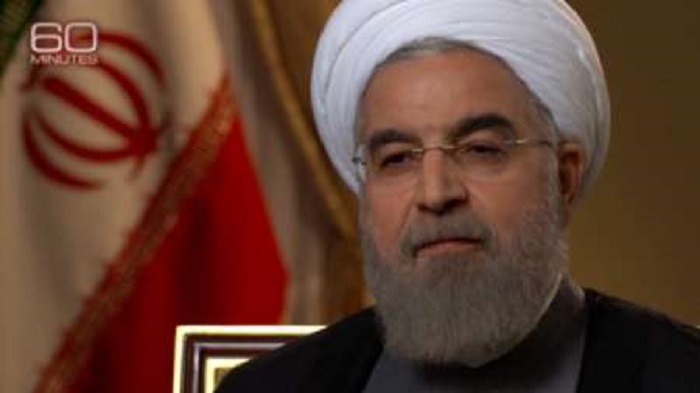
This past weekend saw him make his debut on the news program “60 Minutes” in which he tried to explain the weekly “Death to America” chants led by the regime’s top mullah Ali Khamenei.

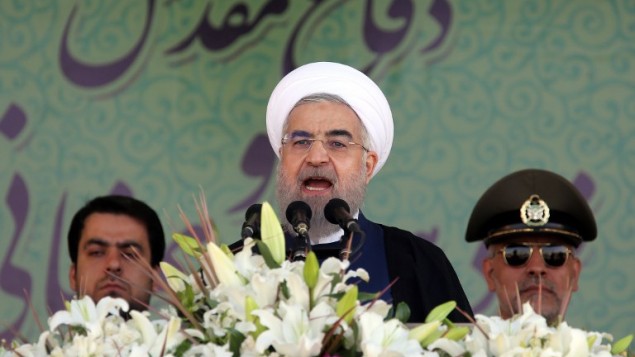
Now according to the official state news agency, Rouhani spoke at a rally in Tehran to commemorate the anniversary of the start of the Iran-Iraq War in 1980, in which he claimed the regime’s military forces were the best defense against the spread of terrorist groups including ISIS.

“Today we tell the world that the biggest antiterrorism force is the armed forces of the Islamic Republic,” Rouhani said in what may be the biggest bald-faced lie uttered since British Prime Minister Neville Chamberlain claimed “peace in our time” after meeting with Adolf Hitler.

It is a well-documented fact that the Iran regime has been the largest state sponsor of terrorism on the planet with decades-long support given to Hezbollah in Lebanon and Syria that targeted American military personnel, Shiite militias that used IEDs to attack coalition forces in Iraq and Houthi rebels that overthrew the government in Yemen and took foreign hostages including Americans.

Rouhani’s statements would be laughable if they weren’t so dangerous as part of a broader PR narrative being pushed by the regime and its lobbyist allies such as the National Iranian American Council to perpetuate the myth that Iran is a moderating force for good in the world.

But the regime is not a force for good. It is a nation ruled with an iron fist by a cadre of mullahs practicing a perverted extremist version of Islam that it intends to export as aggressively as possible. The comparison and contrast to another leader of a world religion is stark and unmistakable as Pope Francis begins his tour of the U.S.

While Pope Francis leads over 1 billion Catholics worldwide and maintains no army, no air force, no industrial facilities, and no nuclear program, the Iran regime is a state run by religious radicals intent on using the full facilities of a nation state to advance their aims. The comparisons could not be more striking.

Nor could the heartfelt pleas made by Naghmeh Abedini to Pope Francis on behalf of her husband, imprisoned pastor Saeed Abedini, who languishes in an Iranian prison along with three other Americans be mistaken for anything other than pleas for compassion and leniency aimed at a regime that knows neither.

Scores of Iranian political activists and intellectuals have also launched an online campaign calling on the regime to end its support for Syrian President Bashar al-Assad and take in Syrian refugees fleeing violence there.

The more than 70 activists, who include several former political prisoners, blame Assad and his foreign supporters, including Tehran, for the exodus of tens of thousands of Syrian refugees to Europe.

They have launched a Facebook page called Sorry, Syria, where so far about two dozen users have expressed “shame” over Iran’s assistance for Assad’s “crimes” and warned that silence could be interpreted as consent.

The regime’s deep involvement in Syria has not only sparked the mass exodus of refugees, but laid deeper rifts in the region with consequences that will likely take decades to fully play out. The Guardian newspaper took an extensive look at the Iran regime’s growing role in Syria’s military command and control efforts.

“Iran has certainly provided a financial lifeline to Assad since the 2011 uprising, releasing billions of dollars of loans and credit for imports of oil and other commodities. Another important contribution was setting up the national defence forces (NDF), locally-based militia units outside the regular army, which have acquired a reputation for profiteering and brutality,” according to the Guardian.

So as Rouhani trolls news media pushing his messages of moderation and his PR allies tow the party line, the situation throughout the Middle East and now Europe grows more dire with escalating conflicts, mass refugee movements and now the involvement of Russia’s military to a significant degree.

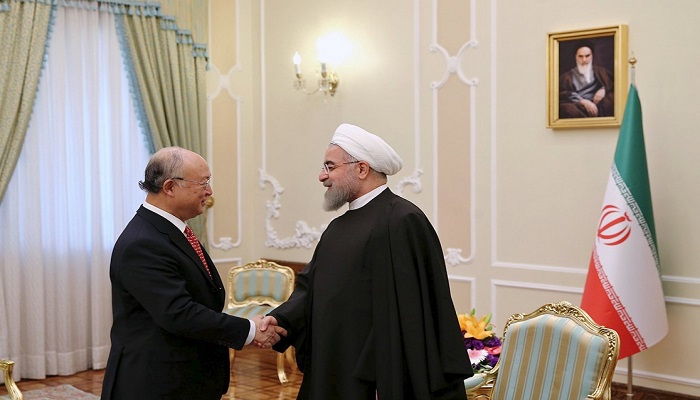
As the International Atomic Energy Agency takes nuclear selfies of regime officials taking their own soil samples from the Parchin military site without international supervision as part of its secret side deal, it’s worth noting that not only is Rouhani towing the mullahs’ line, but IAEA chief Yukiya Amano is doing the same song and dance.

By Michael Tomlinson
Filed Under: Blog Tagged With: Iran deal

Iran Regime Begins Self Inspection Charade of Nuclear Sites

September 22, 2015 by admin


Iran Regime Begins Self Inspection Charade of Nuclear Sites

Iran Regime Begins Self Inspection Charade of Nuclear Sites

The Iran regime revealed it took its own samples at the Parchin military site as part of the secret side deal it made with the International Atomic Energy Agency as the head of that agency, Yukiya Amano, was in Iran to visit the site and give what appears to be his support of the regime’s handling of the self-inspection protocol.

The regime’s state-run IRNA news agency quoted a spokesman for the Iranian atomic energy agency, Behrouz Kamalvandi, as saying samples were taken at Parchin “only by the Iranian experts and without the presence of the agency’s inspectors.”

The fact that regime state media described Amano’s visit as “ceremonial” rather than an inspection tells you all you need to know of how the regime viewed the self-inspection process.

Sen. Tom Cotton (R-AK), a chief critic of the Iran nuclear deal, pointed to the regime’s latest disclosures as more evidence of the flaws in the nuclear agreement.

“The fact that Iran is taking its own soil samples shows that the verification scheme is an embarrassing charade, and yet another concession we can add to the pile of concessions that make up the dangerous Iran deal,” he said.

Even though the IAEA has had a long history of complaints lodged against the regime over the last decade for non-compliance, including not answering basic questions about the history of its nuclear program and its military dimensions, as well as the failure of the regime to make nuclear scientists and technical personnel available for interviews, the IAEA has seen fit to enter into a secret deal with the mullahs and not make it available to the rest of the world.

The fact that we even know about the self-inspection protocol and lack of international oversight of sampling from the Parchin site is due more to the intrepid reporting of journalists at the Associated Press than to any government disclosures from the United Nations or P5+1 group of nations that negotiated the deal.

The Obama administration, already duped into believing the regime will not cheat on an already badly flawed agreement, claimed that the self-inspections are a step in the right direction.

Breitbart.com reinforced the absurdity of self-inspection by reminding us the Congress was never shown the IAEA side deal, the regime was allowed to “sanitize” the Parchin site and hand-picked the areas to be sampled and handled the cameras taping the sampling that IAEA officials were watching.

You could not have asked for a more orchestrated act than if you paid a Hollywood studio to stage it.

The regime is certainly not wasting time flexing its new-found freedoms, not only by manipulating what will assuredly be a clean bill of health of Parchin, but also in busily acquiring new, advanced weapons and military hardware and arming its terrorist allies such as Hezbollah.

Al-Rai, a Kuwaiti newspaper, reported this weekend that Hezbollah received all of the advanced weaponry that the Syrian regime has obtained from Russia as the Russians have dramatically boosted their military operations with boots on the ground, tactical fighters flown to Syrian bases and new tanks being off-loaded.

The fact that all these military developments occurred since the nuclear deal was signed, demonstrates clearly the mullahs in Tehran feel extremely confident about their new-found status as international players and intend to flex their muscle visibly and without deception.

But the sales job for the Iran lobby never ends as Trita Parsi, the head of the National Iranian American Council, went on World Finance to laud the financial windfall the regime is due to receive because of the imminent lifting of sanctions. He continues to advance the absurd proposition that the regime’s newly emerging economic muscle could be used as a moderating influence in the region.

What he fails to discuss is the intent of the ruling mullahs. No one doubts that Iran can be a major economic player in the region; the only question was whether or not the mullahs primary mission was to improve the economic status of their people or push further their brand of fundamentalist Islamic faith? History demonstrates ably that the mullahs have no other concern than preserving and expanding their extremist views throughout the Muslim world.

Parsi’s statements about Iran’s economic potential are only one half of a joke, the real punchline comes with what the mullahs decide to do with all that newfound economic muscle. The unfortunate part is that the joke will be on those who supported and approved this deal based solely on the “hope” that Iran’s mullahs could be worthy of trust.

Nothing could be further from the truth.

By Michael Tomlinson

Filed Under: Blog Tagged With: Featured, Iran deal, NIAC, Nuclear Deal, Parchin, Trita Parsi

Iran Regime Continues “Moderate” Push

September 21, 2015 by admin

Iran Regime Continues “Moderate” Push

Iran Regime Continues “Moderate” Push

The Iran regime continues its campaign to push a moderate face for itself to news media and government officials through its lobbyists such as the National Iranian American Council and through its own media PR push as evidenced by Hassan Rouhani’s appearance on the venerable news show “60 Minutes;” his first interview with a Western news organization in over a year.

The interview of the regime’s handpicked “face of the regime” took place in Tehran and comes shortly before Rouhani’s scheduled appearance before the annual general assembly session of the United Nations in New York.

The interview was revealing because Rouhani continues to foist the misconception that there are factions within Iran between “moderate” and “hardline” groups and that the nuclear deal will empower these more “moderate” elements leading the heroic fight for Iran’s future. The fact that “60 Minutes” correspondent Steve Kroft falls for this deception is not entirely surprising given the ferocity of the Iran lobby’s efforts to push this fairy tale.

The reality is that within the Mullah’s regime, all power vests entirely within the ruling mullahs and their top leader Ali Khamenei who is empowered by the constitution with sole authority over the judiciary, foreign policy, religion and most military and economic decision making.

Kroft exposes his lack of understanding of how the regime operates when he asks Rouhani: “Some of the opponents are very powerful. The commander of the Revolutionary Guards, for example, has condemned the deal. How do you deal with that? That’s an important political force in this country.”

He assumes the Revolutionary Guard is similar to some U.S. federal agency that acts independently with its own politics when in fact the Guard serves solely to safeguard the mullah’s rule and does so not only through military muscle, but also through ownership of vast swatches of the Iranian economy, including the telecommunications industry and most heavy manufacturing.

But Rohani reveals the true nature of the regime when Kroft questions him about the use of “Death to America” chants and the labeling of the U.S. as the “Great Satan” in virtually every speech made by his boss Khamenei.

Rouhani claims the chant is not against the American people, but rather against the policies of the government; a subtlety that glosses over the fact that even after securing the nuclear deal, the regime still continues its traditions of death chants.

Most notably when the questioning turns to human rights abuses and Kroft raises the possibility of a prisoner exchange for the Iranian-Americans being held hostage, Rouhani is quick to point out the need for the U.S. to make the first move in a reference to Iranians being held for violations of economic sanctions in supplying nuclear components to the regime. The fact that Rouhani is suggesting a swap of nuclear arms merchants for a journalist, pastor and former Marine tells us much about the priorities of the regime.

Inside of the almost fawning “60 Minutes” interview, the Washington Beacon took note of a hilarious parody ad created by director David Zucker, the man behind the films Airplane! and the Naked Gun series, in which he characterized as efforts to sell the nuclear deal as an advertisement for an erectile dysfunction medication.

Zucker came up with the idea after watching the PR effort being waged by the Iran lobby’s presentation of the deal.

“Every prescription drug ad follows the same basic pattern—5 seconds of how amazing and wonderful the drug would be, and then 25 seconds of all the miserable side effects,” Zucker said.

But the Iran lobby continues its marketing efforts to rebrand the Iran regime as cute and cuddly with the disclosure coming out that The New York Times has opted to cohost an October 6-7 “Oil and Money” conference in London where attendees can have the opportunity to engage with “H.E. Seyed Mehdi Hosseini, chairman of the Oil Contract Restructuring Committee at the Iranian Ministry of Petroleum.”

The fact that the Times is offering up access to regime officials after championing passage of the nuclear agreement seems at best unsightly and at worst filled with appalling bad judgement.  This comes after an incident last year in which the Times offered 13-day tours of Iran guided by Times journalist Elaine Sciolino” at the bargain rate of $6,995 per person.

Among other things, it promised “excellent insights into … (the) life and accomplishments” of Ayatollah Khomeini, the ruthless extremist leader who posed as a liberator, but then imposed a fundamentalist Islamic state after taking control of that country in the late 1970s. Those tours are still active, and popular, according to Newsbusters.org.

All of which demonstrates the effort to cash in on the windfall associated with passage of the nuclear deal and the enormous profits many are anticipating in doing business with the regime regardless of the consequences in supporting a blood thirsty regime fueling virtually all of the turmoil in the Middle East right now.

By Michael Tomlinson

Filed Under: Blog, The Appeasers Tagged With: Featured, Iran deal, Iran Lobby, Moderate Mullahs, Moderate Rouhani

Iran Regime Engages in More Extremists Actions

September 3, 2015 by admin

Iran Regime Engages in More Extremists Actions

Iran Regime Engages in More Extremists Actions

Who knew the American flag could be a “Satanic symbol” but in Tehran under the mullahs, it not only is, but along with the Union Jack, is a forbidden item for sale on T-shirts in the Islamic state as the religious theocracy cracks down on merchants looking to cash in on the perceived thawing in relations with the West.

“This morning we took these clothes off leading distributors,” said city police chief General Hossein Sajedinia as quoted by the ISNA news agency.

Sajedinia said reports about the activity had been received in the past two weeks, leading to surveillance and detentions and the closing of any stores selling such items.

So much for the “moderate” Iran government.

The disconnect between the perception being pushed by regime advocates such as the National Iranian American Council and apologists such as Ali Gharib and Paul Pillar of a cuddly and soft new Iranian government and the real on-the-ground truth of a brutal, harsh and unrelenting regime is stark and incontestable.

Since the July 14 agreement between the Iran regime and the P5+1 group of nations, the regime has done little to reassure the rest of the world that it has indeed changed. In fact, its actions since then have only reinforced critics of the regime who have long maintained that Iran’s mullahs have absolutely no intention of changing course.

The biggest concession the regime won from the rest of the world was not allowing it to keep the bulk of its nuclear infrastructure intact, nor was it the lifting of trade and financial embargoes allowing it to access $150 billion in frozen assets or sell four million barrels of oil on the open market or buy advanced military weapons systems again.

No, the biggest concession was uncoupling the actions of the regime from any future repercussions. In effect, the cutting of Iran’s conduct from any measurable yardstick of internationally accepted normative behavior from any consequences from future sanction or action has emboldened Iran’s mullahs to feel invigorated with their new-found freedom and they have left the starting gate running harder and faster than Triple Crown winner American Pharoah.

NPR correspondent Michele Kelemen focused on this disconnect in examining the Iran regime’s steadfast refusal to answer questions from the International Atomic Energy Agency over the past decade over the military dimensions of its nuclear program.

Harvard University’s Olli Heinonin, a former top official at the International Atomic Energy Agency, says having full knowledge about the past will be crucial in the future — when Iran gets out from under the current limits on its nuclear program,” Kelemen said.

“You want to understand how far did they get,” said Heinonin. “Then you know what else they need to do to manufacture a nuclear weapon.”

Heinonin, speaking at the Foundation for the Defense of Democracies, which has been critical of the Iran deal, said knowing about the past will also help inspectors know where they should concentrate their efforts now, according to Kelemen.

That defiance of in adhering to the proposed agreement was again reinforced by Iranian Defense Minister Hossein Dehghan who recently reaffirmed Iran’s position that issues involving Iran’s missile program are not matters for discussion. Presumably, Iran is determined to keep developing its missile force.

As for attempts to clarify Iran’s past activity regarding the “military dimensions” of its nuclear program, Dehghan noted that Iran will definitely not grant anyone access to its security and military “secrets.”

He was echoed by the head of the regime’s Revolutionary Guard who said the U.S. is still the “Great Satan,” regardless of the nuclear deal struck with the Americans and other world powers over the Islamic state’s contested nuclear program.

The comments by Gen. Mohammad Ali Jafari, reported by the official Guard website, said enmity against Iran by the U.S. hasn’t lessened.

“We should not be deceived by the U.S.,” Mr. Jafari reportedly said. “It wants to infiltrate into Iran, resorting to new instruments and method.”

But rhetoric alone is not the only tool the Iran regime is using as Kuwait yesterday charged 24 people suspected of links to Iran and the Hezbollah terror group with plotting attacks against the Gulf state according to a public prosecutor.

The men were charged with “spying for the Islamic republic of Iran and Hezbollah to carry out aggressive acts against the State of Kuwait” by smuggling in and assembling explosives, as well as possessing firearms and ammunition, the statement said.

They were also charged with “carrying out acts that would undermine the unity and territorial integrity” of Kuwait, and of possessing eavesdropping devices, it said.

The actions in Kuwait only serve to underscore the mistake by the P5+1 in giving Iran this major act of appeasement in the hopes of buying some short term security by forgoing any hope of containing the Iran regime in the future. It’s a Faustian bargain that Stephen Rademaker explained on PBS this weekend:

“Faust was this mythological figure who sold his soul for the — to the devil in exchange for magical powers for — I think it was 26 years,” he said.

“For 26 years, he had magical powers. At the end of 26 years, the devil came to claim his soul. And I think that is a pretty good analogy to what this deal provides. For 10 years, it’s not a bad deal. After 10 years, it becomes a horrible deal and it gives Iran regime everything they have always wanted. After — President Obama concedes, after 13 years, the breakout time is almost zero,” he added.

Rademaker was an assistant secretary of state for the Bureaus of Arms Control and International Security and Nonproliferation under President George W. Bush. He’s now a principal at the Podesta Group in Washington and an adviser to the Bipartisan Policy Center.

All of which demonstrates as clear as daylight that the Iran regime is fully committed to its extremist course of action and the proposed deal, far from hindering it, actually enables it.

All of which demonstrates as clear as daylight that the Iran regime is fully committed to its extremist course of action and the proposed deal, far from hindering it, actually enables it.

By Michael Tomlinson

Filed Under: Blog, News Tagged With: ALi Gharib, Featured, Hossein Sajedinia, Iran deal, Mohammad Ali Jafari, Trita Parsi

Iran Nuclear Deal Promises No Change in Regime Behavior

September 1, 2015 by admin

Iran Nuclear Deal Promises No Change in Regime Behavior

Iran Nuclear Deal Promises No Change in Regime Behavior

The Iran regime has long been providing the template for extremist Islamic groups such as Hezbollah and ISIS in terms of using religious law to impose harsh oppression or using terror as a means of foreign policy, but this time the mullahs in Tehran are taking a page from the playbook of its proxies.

The regime government is considering a proposal to grant Iranian citizenship to foreign nationals who take up arms for the regime. According to the Daily Beast:

“Proposed amendments to Iran’s Civil Code under the name ‘Facilitating Naturalization of non-Iranian Veterans, Warriors and Elites’ will offer citizenship to foreigners who join Iranian military units—be it border patrol, militias confronting the so-called ‘Islamic State’ in Iraq and Syria, groups involved with public order operations, or any of Iran’s less ‘official’ military initiatives, including support for Hezbollah in Lebanon. Under the amendments, ‘revolutionary heroes’ can become citizens without undergoing existing naturalization requirements.

“Parliamentarians who signed the bill say those who ‘serve the revolution,’ including people who have contributed to Iran’s scientific progress, will be entitled to easier access to the citizenship they deserve. Yet human-rights activists and lawyers say the amendments are part of a political and militaristic strategy to entice immigrants, who have resided illegally in the country since 1979, into fighting Iranian regime’s proxy wars.”

The move takes advantage of the roughly four million Afghan refugees that fled the Soviet invasion in 1979 and relocated to Iran, but did not have legal status. With civil wars breaking out in Iran regime allies Syria and Iraq, the mullahs began recruiting Afghans – at first as paid mercenaries – to fight their proxy wars. This move legitimizes the use of foreign nationals in the regime’s wars and duplicates what ISIS has already done to great effect in its rapid expansion in Syria and Iraq.

Most interesting is the provision to grant citizenship to all those who achieve high intellectual distinction or scientific advancement on behalf of the regime, which is a not so hidden reward for scientists and technicians who have added in developing Iran’s nuclear program.

So while the proposed Iran nuclear agreement authorizes the release of up to $150 billion in assets to the regime to go on a military hardware buying spree in Russia, with this new law it will try to replenish its Revolutionary Guards Corps, Quds Force, Shiite militias in Iraq and Hezbollah fighters in Syria and Houthi rebel forces in Yemen.

This worrisome expansion of the regime’s forces is reinforced by the fact that the regime’s behavior continues following an extremist path without deviation in spite of the promises made by nuclear deal proponents who have argued such a deal would accommodate “moderate” elements in the regime government.

Those claims were put to a lie once again as the regime judiciary sentenced two people to 10 years in prison this weekend for allegedly spying for the U.S. and Israel, but their names remained secret. There is growing worry that one of those sentenced may have been Washington Post reporter Jason Rezaian.

When you catalogue the actions of the regime since the nuclear deal was announced, you cannot help but wonder just what really changed within the regime ruling Iran:

  • The International Atomic Energy Agency announces there is evidence Iran may be engaged in construction activities at its Parchin military site without any monitoring of what is going on;
  • The Associated Press discloses details of a secret side deal between the regime and IAEA in which Iran would be allowed to self-inspect the Parchin site, collect samples and turn them over for testing without any on-site monitoring;
  • Regime leaders including Hassan Rouhani and Ali Khamenei have made several speeches reiterating the regime’s intention to maintain its military capabilities and commitment to retaining its nuclear infrastructure;
  • Sent its Quds Force leader Ghassem Soleimani to Russia in violation of United Nations travel bans to negotiate the purchase of advanced weapons, including completing the purchase of S-300 anti-aircraft missile batteries; and
  • Unveiled its F313 advanced solid-fuel ballistic missile with a doubling in range and shelf life.

These are not the acts of a government intent on peace. These are not the actions of a regime looking to use its financial windfall to reshape its economy and benefit the people of Iran.

The more things change, the more the Iran regime stays the same.

By Michael Tomlinson

Filed Under: Blog Tagged With: F313 missiles, Ghassem Soleimani, Iran deal, Iran Terrorism, Parchin

Iran Lobby Turns to Dubious List of Hate Apologists

August 28, 2015 by admin

Iran Lobby Turns to Dubious List of Hate Apologists

Iran Lobby Turns to Dubious List of Hate Apologists

The National Iranian American Council demonstrated its full-fledged commitment to supporting the Iran regime at any cost by issuing what could only be described as anarchist’s playlist of a press release full of terror supporters, hate apologists and regime sympathizers in a letter purporting to show “prominent international relations scholars” voicing their support for the Iran nuclear deal.

The letter is a farce – to put it mildly – because it omits the one phrase that dominates everything about the Iran regime: Human Rights.

Feel free to search the text of the NIAC release. It doesn’t exist anywhere in the letter, which should come as no surprise since it is the fatal flaw in all things the NIAC is involved in. Human rights for the NIAC are an inconvenient truth. It is the Achilles heel of its arguments in portraying a new “moderate” Iran.

While NIAC staffers such as Trita Parsi, Reza Marashi, Jamal Abdi and Tyler Cullis shout until veins bulge out of their collective necks that the mullahs deserve a break, they continue to blatantly ignore the incalculable human suffering being inflicted by those same mullahs on women, children, Christians, Iranian-Americans, Sunnis in Iraq, moderates in Syria or refugees in Yemen. The swatch of human suffering and misery caused by the mullahs has earned neither reproach nor condemnation by the NIAC and its allies.

The fact that this bogus letter excludes any mention of human rights is not unusual since the signers of the letter are culled from some of the most notorious corners of the academic world funded by regime sponsors and used as tools in defending terror groups, propagating hatred and applauding murder and mayhem.

Article in Breitbart delved deep into the histories and backgrounds of many of these academic frauds, noting “quite a few of the ‘prominent’ professors share radical views pertaining to issues of concern to everyday Americans. This list includes terror group sympathizers, Muslim Brotherhood sympathizers, Iranian regime apologists, Islamist supremacists, anti-Israel conspiracy theorists, overt anti-Semites, and other deplorable characters.”

“One of the most notable signatories is Noam Chomsky, who rose to fame as an MIT linguistics expert and now considers himself an international relations scholar. Chomsky, whom some believe is an anti-Semite, openly supports Iran-backed terror groups Hezbollah and Hamas,” Schahtel added.

Article published in Breitbart also reminds us that Parsi, also a signatory on the list of pro-deal “scholars,” made headlines last week when he alleged there was an Israeli conspiracy behind a report that presented the text of the “side deal” between Iran and the International Atomic Energy Agency. Additionally, several prominent Iranian dissidents have complained that Parsi’s agenda parallels that of the theocracy in Tehran.

But that has been the glaring aspect of NIAC’s fanatical devotion to the Iran regime agenda; the open unwillingness to criticize or comment on the human toll inflicted by the regime’s actions. NIAC has not argued against the retribution murders committed by Shiite militias supported by Iranian regime’s Quds Forces in Iraq as they slaughter entire Sunni villages.

NIAC has not commented on the horrific conditions in refugee camps caused by Iran regime proxy wars in Syria and Yemen. Nor has Parsi or his cohorts ever applauded efforts by groups such as Amnesty International or the United Nations Special Rapporteur for Human Rights in Iran as they have condemned and battled the over 2,000 executions conducted by the regime in less than two years; a staggering assembly line of death.

It would be a public service for those opposing the Iran nuclear deal and the policies of the regime and mullahs in Tehran to peruse the list of professors and send letters to the administrations of each of these universities – the vast majority of which are public and taxpayer funded – and ask why these academics are allowed bully pulpits to argue in favor of a regime that stifles free thinking and political discourse at home and brutally tortures students and teachers in Iran.

The sheer audacity of arguing for an accommodation of a regime that makes no accommodation for dissenters has helped persuade a majority of Americans that the mullahs cannot be trusted in spite of the efforts by NIAC, aided and abetted by groups such as J Street and MoveOn.org, to hold demonstrations that have generated small crowds.

The ultimate proof of the complete lack of authenticity within NIAC is the complete lack of honesty about the regime’s abuses.

By Michael Tomlinson

Filed Under: Blog, National Iranian-American Council, The Appeasers Tagged With: Iran deal, Jamal Abdi, NIAC, NIAC Action, Noam Chomsky, Reza Marashi, Trita Parsi

Side Agreement with IAEA and Iran Regime Shows Deceptive Practices

August 21, 2015 by admin

Side Agreement with IAEA and Iran Regime Shows Deceptive Practices

Side Agreement with IAEA and Iran Regime Shows Deceptive Practices

Recent disclosures by the Associated Press of the secret side deal negotiated between the International Atomic Energy Agency and the Iran regime over inspection of the Parchin military complex have caused quite a stir in the debate over the proposed nuclear agreement with the regime, but what is not being discussed is the deeper meaning of the agreement which is how the regime expects to handle inspections moving forward.

Parchin is just a sneak peek into the much larger preview of how the regime acts and conducts itself in double dealing with the international community and monitoring agencies. The text of the secret deal as transcribed by the AP reveals how the Iran regime intends to maintain total control over any inspection regimen.

The most important phrase, repeated throughout the agreement, is “Iran will provide…” At no point does the agreement grant international inspectors unfettered access of their own to the facility to take photos, inspect areas or take environmental samples without it passing through regime hands.

Supporters of the mullahs in Tehran argue the inspection is a one-time only affair at a site that has been closed down for a decade, but what gets overlooked is that Parchin’s importance to the regime was not in handling radioactive material, but rather handling high explosives which are necessary in detonating a nuclear warhead. The fact that the regime has pre-determined where soil samples are to be taken and has had plenty of time to scrub the facility clean, the usefulness of any inspection is moot.

“The notion that this means it is not the IAEA but Iran who is conducting the investigation is a laughable distortion,” said Jamal Abdi of the National Iranian American Council, the regime’s chief lobbying arm.

But the importance of Parchin is not in actual inspection, but in understanding how the regime reacts to inspections in general and looks into its military program specifically. The mullahs, led by Ali Khamenei, have consistently opposed any interviews of its scientists and technicians over the military dimensions of its program by IAEA personnel. Nearly a dozen questions from the IAEA remain unanswered by the regime for over a decade.

According to the Wall Street Journal in an interview this month, Yukiya Amano, IAEA director general, acknowledged Tehran has so far refused to agree to provide access to many of the individuals believed to have been involved in the suspected testing at Parchin.

Parchin is just a small part of those questions. The fact that the regime has managed to wear down the IAEA by stonewalling it and then negotiating secret side deals it has warned the IAEA should not be revealed to the U.S. clearly show the regime’s priorities in taking advantage of the situation to basically set into stone its rights to lie to the rest of the world. It’s a blatant act of appeasement and one that has never been granted to before to any other nation subject to international monitoring such as North Korea or South Africa.

The National Council of Resistance of Iran, the leading Iranian dissident group, has long complained of the regime’s steadfast refusal to allow inspections not only of Parchin, but similar facilities at Fordow, Arak and Natanz, most of which were only revealed after being exposed by the NCRI and other resistance groups.

The fact that the IAEA capitulated in such dramatic fashion is worrisome because it underlines the strong move towards appeasing the mullahs as a way of currying favor with them in a mistaken belief that would somehow bring about regional stability.

But this new disclosure only reinforces the growing and pervasive belief that the regime simply cannot be trusted. A new CNN/ORC poll released this week showed 56% of Americans now think Congress should reject the deal; up from 52% just less than a month ago.

Even as public opinion mounts against the regime, the leaders of the Islamic state continue to operate in a fashion immune from any criticism from overseas as evidence by the new campaign to discredit Wall Street Journal reporter as being an intermediary for the Iranian opposition. Forget the fact that the claims are based on a misuse of the English language, but the treatment follows similar actions against media critics of the regime such as Washington Post reporter Jason Rezaian who languishes in an Iranian prison.

This is just par for the course for a regime openly hostile to news media, contemptuous of international authority and blatantly ignorant of basic human rights.

By Michael Tomlinson


Filed Under: Blog Tagged With: Action NiAC, Iran, Iran deal, Iran Lobby, Jamal Abdi

Why the Iran Regime is Rushing for a Nuclear Deal

August 20, 2015 by admin

Why the Iran Regime is Rushing for a Nuclear Deal

Why the Iran Regime is Rushing for a Nuclear Deal

When most of us took our first driver’s training class, we were admonished with the warning “speed kills” and for most of us, it’s a saying that has served us well. In the case of the proposed nuclear deal with the Iran regime, speed is the operative word as the regime and its lobbyists push hard to get the deal approved as quickly as possible.

The need to get the deal done quickly became self-evident when it was taken to the United Nations Security Council for a vote even before the U.S. Congress and the reward for the mullahs in Tehran were quick delegations from France and the European Union to explore trade ties even though the proposed agreement ostensibly does not allow for economic sanctions to be lifted for years.

On top of which the regime is quickly completing its deal to acquire state-of-the-art anti-aircraft missile batteries from Russia and has sent its Quds Force commander to a secret mission to Moscow to discuss the acquisition of even more weapons to replenish stores depleted from supporting three proxy wars in Syria, Iraq and Yemen.

All of which goes to show the true nature of the regime as it seeks to rearm, rebuild and expand its military and dominion over its neighbors, but why is the Obama administration in such a rush to complete what is becoming more evident as a bad deal?

Jennifer Rubin, writing in the Washington Post, explains that this deal is not a take it or leave it proposition and in fact the best remaining option to go back to the mullahs and re-open negotiations for a better deal.

“Doing the deal, then, is the risky proposition — by increasing violence in the region in the short term and practically ensuring major military conflict down the road (sanctions won’t be available) with a stronger and more confident Iran,” Rubin writes.

Mark Dubowitz, head of the Foundation for Defense of Democracies, echoes the same point in Foreign Policy, writing:

“There is ample precedent to amend the deal. Congress has required amendments to more than 200 treaties before receiving Senate consent, including significant bilateral Cold War arms control agreements with the Soviets like the Threshold Test Ban Treaty and the Peaceful Nuclear Explosions Treaty, as well as multilateral agreements like the Chemical Weapons Convention negotiated with 87 participating countries, including Iran, by President Bill Clinton,” Dubowitz said.

Iran’s mullahs understand the danger posed by an amended deal or any delay in approving the deal. The mullahs need the $100 billion in unfrozen assets to jumpstart the economy they have driven into the ground and forestall the growing dissatisfaction from ordinary Iranians protesting abysmal living standards and working wages.

The regime is doing everything it can to hide anything that can negatively impact the public perception of the deal, even if it means threatening the head of the nuclear agency responsible for inspecting Iran’s facilities.

As reported in the Washington Free Beacon, “Yukiya Amano, IAEA director general, purportedly remained silent about the nature of certain side deals during briefings with top U.S. officials because he feared such disclosures would lead to retaliation by Iran, according to the spokesman for Iran’s Atomic Energy Organization (AEOI).”

“In a letter to Yukiya Amano, we underlined that if the secrets of the agreement (roadmap between Iranian regime and the IAEA) are revealed, we will lose our trust in the Agency; and despite the US Congress’s pressures, he didn’t give any information to them,” said regime’s AEOI spokesman Behrouz Kamalvandi during a meeting with Iranian regime’s lawmakers, according to Tehran’s state-controlled Fars News Agency.

“Had he done so, he himself would have been harmed,” Kamalvandi added.

The blatant nature of the threat only reinforces the perception that the regime simply cannot be trusted, a point reinforced by Sen. Bob Menendez (D-NJ) who joined Sen. Chuck Schumer (D-NY) in announcing his opposition to the proposed agreement. Writing in the New York Post, Menendez reinforces the idea that we need to slow down.

“I believe we could still get a better deal and here’s how: We can disapprove this agreement, without rejecting the entire agreement,” Menendez said.

“We should direct the administration to re-negotiate by authorizing the continuation of negotiations and the Joint Plan of Action — including Iran’s $700 million-a-month lifeline, which to date have accrued to Iran’s benefit to the tune of $10 billion, and pausing further reductions of purchases of Iranian oil and other sanctions pursuant to the original JPOA,” he added.

He then goes on to lay out six conditions the regime must meet in order for a new deal to be acceptable; conditions the Obama administration previously declared as “red lines” in the negotiation sand, but then subsequently abandoned after being outmaneuvered by the regime.

The regime is hoping that speed does kill and in this case, kills any hopes of slowing down the regime’s plans for domination and expansion.

By Laura Carnahan

Filed Under: Blog Tagged With: Chuck Schumer, Iran, Iran deal, Menendez

The Downside of Trusting the Iran Regime

August 18, 2015 by admin

The Downside of Trusting the Iran Regime

The Downside of Trusting the Iran Regime

One of the consequences of doing a deal with the Iran regime is that you have to actually live with the consequences of that decision; something the U.S. is only beginning to figure out in unpleasant detail.

The New York Times recounted an incident in which a helicopter from the U.S. aircraft carrier Theodore Roosevelt encountered an Iranian Navy frigate in the Gulf of Aden that aimed its weapons and tracked the Americans in a game of high seas chicken. The incident is similar to others in which Iranian military units have acted aggressively at U.S. forces, which is curious considering all of this comes during the sensitive debate over the recently proposed Iran nuclear agreement.

Why would the mullahs in Tehran continue to act in such a provocative manner at such a crucial time? To coin a phrase: Because a leopard can’t change its spots and the regime can’t change what it is.

The fact that the Obama administration is moving American carrier battle groups around the Persian Gulf and Gulf of Aden like so many chess pieces is a clear demonstration of the need to reassure regional allies such as Saudi Arabia, Kuwait, United Arab Emirates and others suddenly nervous about an aggressive and militaristic Iran. Even as the administration tries to project reassurance about the deal forging a new path of peace with the Iran regime, the region is witnessing a rapid build of U.S. military forces in response to the same regime.

The irony would be funny if it wasn’t so deadly serious.

But the fight over the nuclear deal has cast a harsh spotlight on the regime’s tactics and political lobbying network here in the U.S. The New York Times described some of the intense lobbying going on right now and illustrated how the Ploughshares Fund has been a key player for supporters of the deal; serving as a central financier and hub for cash (upwards of $11 million so far) and support out to the broad array of groups favoring the deal, including substantial donations made to the National Iranian American Council, the regime’s chief lobby.

All that support for the regime though cannot hide those leopard spots as the regime’s top mullah Ali Khamenei announced on Monday in another one of his patented rants that the regime would continue to oppose U.S. policies and reiterated Iran’s right to still refuse the nuclear deal.

“The Americans want to gain influence in the region and reach their goals. We will not let them,” said Khamenei, who has previously said US regional policies are “180 degrees” opposed to those of the Islamic state.

The one thing Khamenei fears is the potential for the nuclear deal to open up not only the floodgates of foreign investment, but also the kind of market liberalization that American companies typically force as evidenced in places such as China and Russia, only to see those governments crack down to halt the spread of democratic principles. In many ways, such a scenario could threaten the regime itself in Iran.

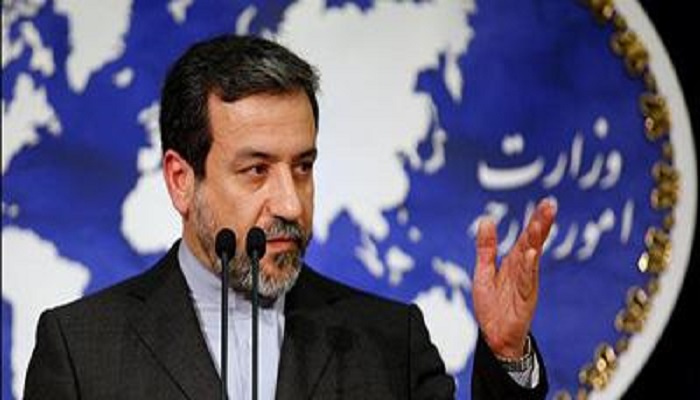
Not only was Khamenei doubling down on Iranian recalcitrance, but Sayyed Abbas Araqchi, the regime’s deputy foreign minister and one of the top negotiators in talks that led to the recently inked nuclear deal, told the country’s state-controlled press that Iran’s intelligence apparatus must approve of any inspector who is issued a visa to enter Iran.

This new wrinkle shows the regime’s efforts to backtrack on the agreement and preserve its ability to maintain its nuclear program in secret.

“Then we learned that no Americans are allowed on the inspection teams and that Iran will do its own soil sampling,” said Michael Rubin, a former Pentagon advisor and expert on rogue regimes. “Now the Iranians claim that all IAEA inspectors have to be vetted by Iranian intelligence? It really can’t get any worse than this.”

But Rubin may be wrong as outlined in a piece running in the Weekly Standard by Emanuelle Ottolenghi and Saeed Ghasseminejad from the Foundation for Defense of Democracies who detailed how even seemingly harmless investments made in the Iranian economy will be directly benefitting the Revolutionary Guards Corps and the regime’s military.

They write that the Obama administration is adamant that the IRGC “hates the deal,” because it supposedly opens up market previously cornered by the Guards to competition. The truth is rather different: the deal delists many companies that aided the IRGC in its proliferation efforts, its support for terrorism, and its involvement in the Syrian civil war. Though the deal keeps in place U.S. sanctions against the IRGC, it removes sectoral bans against areas of Iran’s economy that the IRGC dominates. The Guards, as Iran’s economic “gatekeeper,” will have ultimate say on how the country’s post-deal windfall will be spent.

In a final display of deception by the regime, Roy Gutman writing for McClatchy News Services explains how the regime continues to blame the U.S. for the rise of ISIS when Iran’s own policies in propping up Bashar Assad’s regime in Syria and strategic blunders in backing Nouri al-Maliki in Iraq led to the birth and rapid growth of ISIS.

The evidence is overwhelming that the price of trusting the mullahs in Tehran may eventually too high of a price for anyone to pay.

By Michael Tomlinson

Filed Under: Blog Tagged With: Araghchi, Iran, Iran deal, IranLobby

The Use of False Dissidents by Iran Lobby

August 17, 2015 by admin

Throughout history the use of deception has been an integral part of statecraft. Governments have used double agents, false document releases, propaganda and all sorts of other tricks to deceive enemies or even their own people. Names such as Kim Philby, Eddie Chapman, Ashraf Marwan and even Mata Hari have claimed a special place in history for their duplicitous roles during wartime.

But in the social media age, knowing what is and isn’t true can prove difficult to near impossible with the flood of blogs, columnists and self-styled journalists posting, tweeting, sharing, pinning and linking. Edward Snowden showed us a peek under the tent with what was possible in terms of monitoring electronic communications. The Iran regime has refined the art with its own version of China’s great cyber wall which shuts out the outside world from the Iranian people and allows the mullahs to monitor virtually all the electronic activity happening there.

Control of all communications also has a certain side effect as well, it gives rise to the one of the current tactics used by the regime in trying to project a more moderate image to the outside world. You see, if the Iran regime controls all forms of outbound and inbound communications, how can anyone really trust what is being said or more precisely what the mullahs are allowing to be said.

One of the regime’s favored tactics is to project the image of a divided Islamic state; a struggle between moderates and hardliners, especially as it relates to the current debate over approval of the proposed nuclear agreement. The regime’s official news agency, IRNA, and other news media churn out a steady stream of stories about “hardliners” within the regime clamoring to the kill the deal and how “moderates” such as Hassan Rouhani are struggling mightily for peace.

It all has the tinge of some bad B-movie thriller from the 1950s with a cartoonish lampooning of favored tropes, no different than Cold War-era imagery of spies going to battle between the West and Soviet Bloc.

But these “protests” are largely staged for the benefit of Western media consumption in order to help the regime’s lobbyists here in the U.S. such as the National Iranian American Council in its efforts to bolster the image, such as one reported this weekend involving 50 “hardline “students.”

These same efforts to dissemble include public statements of endorsement being made by so-called “dissident” Iranians who are in fact still connected to the regime, not unlike the double agents of past campaigns. A recent open letter in Huffington Post was signed by former members of the Islamic Parliament who claimed to support the nuclear agreement, but scrutiny of the signers would reveal for each a past not spent on changing Iran’s policies, as much as securing a political future for their return to power.

In a historical context, many of these same ex-regime officials willingly took part in brutal repressive acts of their own until they fell out of favor for various and assorted reasons be it voting for laws oppressing the Iranian people or giving their support for the mullahs’ policies. The definition of their actions would be more commonly known as “appeasers” which carries historical connotations itself with visions of Neville Chamberlain clutching a piece of paper with Adolf Hitler’s signature on it proclaiming “peace in our time.”

But there is a certain delicious irony with all of the huffing and puffing of the regime and its loyal allies such as the NIAC and that is the almost insignificant impact it’s having on the Iranian American community itself.

The NIAC has led the public charge to mobilize Iranian Americans to support the deal, calling on mass protests and rallies and participation at congressional town hall meetings during the summer recess. Instead their appeals have fallen on largely deaf ears.

Protests held in favor of the deal have resulted in crowds just as small as the staged regime protests in Tehran with Los Angeles – home to over 800,000 Iranian Americans – protests yielding a paltry 200 participants, most not even of Iranian descent. Weekend rallies in Washington, DC and San Diego were even smaller, barely cracking 100 people.

In contrast, over 10,000 rallied in New York’s Times Square against the deal and another 1,000 gathered in Los Angeles, most of them Iranian Americans demonstrating not only their opposition to the regime, but also for the various resistance movements around the world.

The efforts by NIAC Action, the direct lobbying arm of NIAC, had even worse results with no-shows in at least one California district and another one in New York being outnumbered by opponents to the deal.

All of which raises an interesting question: Knowing how weak the regime and its lobby are, just why is anyone even listening to them?

By Michael Tomlinson

The Use of False Dissidents by Iran Lobby

The Use of False Dissidents by Iran Lobby

Filed Under: Blog Tagged With: Iran, Iran deal, Iran Lobby, Iranian- American, NIAC, NIAC Action

  • « Previous Page
  • 1
  • …
  • 23
  • 24
  • 25
  • 26
  • 27
  • …
  • 29
  • Next Page »

National Iranian-American Council (NIAC)

  • Bogus Memberships
  • Survey
  • Lobbying
  • Iranians for International Cooperation
  • Defamation Lawsuit
  • People’s Mojahedin
  • Trita Parsi Biography
  • Parsi/Namazi Lobbying Plan
  • Parsi Links to Namazi & Iranian Regime
  • Namazi, NIAC Ringleader
  • Collaborating with Iran’s Ambassador

Recent Posts

  • NIAC Trying to Gain Influence On U.S. Congress
  • While Iran Lobby Plays Blame Game Iran Goes Nuclear
  • Iran Lobby Jumps on Detention of Iranian Newscaster
  • Bad News for Iran Swamps Iran Lobby
  • Iran Starts Off Year by Banning Instagram

© Copyright 2026 IranLobby.net · All Rights Reserved.