Iran Lobby

Exposing the Activities of the lobbies and appeasers of the Mullah's Dictatorship ruling Iran

  • Home
  • About
  • Current Trend
  • National Iranian-American Council(NIAC)
    • Bogus Memberships
    • Survey
    • Lobbying
    • Iranians for International Cooperation
    • Defamation Lawsuit
    • People’s Mojahedin
    • Trita Parsi Biography
    • Parsi/Namazi Lobbying Plan
    • Parsi Links to Namazi& Iranian Regime
    • Namazi, NIAC Ringleader
    • Collaborating with Iran’s Ambassador
  • The Appeasers
    • Gary Sick
    • Flynt Leverett & Hillary Mann Leverett
    • Baroness Nicholson
  • Blog
  • Links
  • Media Reports

Resistance to the Iran Regime is Not Futile

July 14, 2016 by admin

Resistance to the Iran Regime is Not Futile

Resistance to the Iran Regime is Not Futile

For any Star Trek fan, one of the more infamous villains on the Next Generation series was the Borg; collective evil that utters the hostile demand “Resistance is futile.”

Of course the courageous crew of the starship Enterprise successfully resists the Borg and keeps humanity face from a perilous future of being absorbed by the Borg and losing all free will.

In the real world of today, the Iranian regime is strangely like the Borg. The mullahs in Tehran act as a collective mind, all lockstep in sync with their vision of creating a Shia sphere of influence and bringing all of their neighbors under the sway of their particular ideology.

And like the Borg, the Iranian regime has no humanity, is only concerned with achieving its objectives and sees the use of others—such as Afghan refugees enlisted to serve as cannon fodder in the Syrian civil war—as simply a means to an end; mere tools of statecraft.

The Guardian took a closer look at how Iran recruits these Afghans, often taking advantage of them as they face poverty or the threat of being denied entry into Iran from war-torn Afghanistan.

The newspaper found Iran is covertly recruiting hundreds of Afghan Shias in Afghanistan to fight for Syrian president Bashar al-Assad, drawing them out of their own conflict-ridden country and into another war in which Afghanistan plays no official part.

The Afghan fighters are often impoverished, religiously devout or ostracized from society, looking for money, social acceptance and a sense of purpose that they are unable to find at home, the newspaper said.

In return for fighting, Afghans are offered a residence permit in Iran and about $500 monthly salary. With no available official figures, estimates of how many Afghans are fighting in Syria vary wildly. Iranian state media, while not acknowledging direct Iranian involvement, say 20,000 Afghans are fighting in Syria.

For the Iranian regime, having a loyal Afghan militia may serve a longer-term purpose beyond Syria. “It clearly serves the interests of the IRGC to train Shia Afghans who later can fight the Taliban or other Sunni groups on Afghan soil after United States military withdrawal from that country,” said Ali Alfoneh, an independent Iran analyst based in Washington, DC.

This is part of the mullahs’ long-term plan; to develop assets that can be used to deepen and strengthen its power outside its borders.

Protecting the regime’s plans is the Iran lobby which serves as dutiful drones spouting the same messages over and over again and nauseum portraying the regime as a bunch of moderates struggling against the anti-Muslim rhetoric coming from regime opponents.

The Iran lobby, such as the National Iranian American Council, labels opponents as racists, war mongers, neocons, rebels and just about any other term you can come up with; all designed to cast doubts and aspersions on anyone daring to oppose the regime.

But the remarkable truth is the opposition to the Iranian regime is wider, more diverse, more inclusive and stronger than it has ever been since the Islamic revolution in 1979.

The broad coalition opposing the Iranian regime ranges from Iranian dissident groups such as the People’s Mojahedin Organization of Iran (PMOI) and the umbrella National Council of Resistance of Iran, to human rights groups such as Amnesty International and Human Rights Watch, to government agencies and organizations such as the Special Rapporteur for Human Rights in Iran for the United Nations and members of the European Parliament, U.S. Congress and other elected officials.

The opposition is also made up of ordinary Iranian citizens who protest and demonstrate in their own ways and pay a high price for those acts, including the imprisonment, torture and the ultimate sacrifice of martyrdom.

These include Iranian students, teachers, artists, journalists, musicians, bloggers, businessmen, women, writers and filmmakers. They represent the entire width and breadth of Iran and while their actions are often covered up and obscured by a regime intent on not letting the outside world know of their discontent, social media channels have helped get the word out on their suffering and defiance.

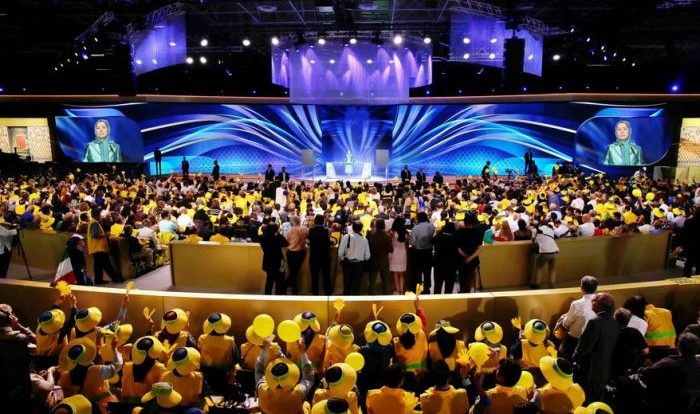
The symbol of that resistance projected itself on July 9th just outside of Paris in a cavernous convention hall filled with tens of thousands of people from around the world who convened as part of the annual gathering of resistance groups to the Iranian regime.

While this annual event has faithfully documented the injustices and abuses meted out by the regime during the year, this year’s event was significant and special because of the sharp and dramatic rise in terrorist acts committed by Islamic extremists around the world including most notably Paris, Brussels and Istanbul.

Coupled with a pivotal American presidential election and the recent Brexit vote, the political landscape will change dramatically over the next year, which is why the Iranian regime and its lobby allies have sought to influence the politics of these elections to safeguard a badly flawed nuclear deal that is delivering vast sums of cash to the mullahs.

The regime’s top mullah Ali Khamenei has repeatedly stated that the policies of Democrats and Republicans regarding Iran are not different, because the United States is opposed to the very existence of the Islamic Republic, which will not change through diplomatic negotiations.

Hence, in Khamenei’s view, the United States is pursuing no goal other than regime change in Iran and in this respect he is not incorrect because regime change is truly the only legitimate pathway to restoring democracy and freedom to the Iranian people.

This is why these opposition groups pledged for “Regime Change” when they convened on July 9th in La Bourget- Paris.

By Laura Carnahan
 

Filed Under: News Tagged With: Featured, Iran, Iran deal, Iran Human rights, Iran Lobby, National Iranian American Council, NIAC

#FreeIran Gathering is Biggest Human Rights Event of 2016

July 14, 2016 by admin

#FreeIran Gathering is Biggest Human Rights Event of 2016

#FreeIran Gathering is Biggest Human Rights Event of 2016

Near the airfield where 90 years ago Charles Lindbergh ended his historic solo flight across the Atlantic Ocean, gathering took place at the cavernous convention halls near Le Bourget Airfield on a similar historic occasion last Saturday.

It is here an estimated 100,000 friends and supporters of over 300 human rights and Iranian dissident groups joined dignitaries and elected officials from around the world in what has become the largest annual gathering opposed to the rule of the mullahs in Tehran.

This gathering has deep roots in the struggle for freedom and democracy in Iran and represents the largest thorn in the side of the ruling religious leaders of the Iranian regime. These groups included the People’s Mujahedin Organization of Iran (PMOI) for which mere association constitutes treason as far as the mullahs are concerned and punishable by death.

While the polarization in American politics as personified by the supporters of Donald Trump and Hillary Clinton are often contentious and biting, it’s hardly conceivable that being a registered Democrat or Republican would warrant a death sentence, yet in Iran, membership in an outlawed political movement is, which makes this event more admirable for the determination of the participants to literally put themselves and their families at risk by merely attending an event that is viewed with such intense hatred by the leaders of the Iranian regime.

Why then did they come?

The overwhelming majority are ex-pats caught outside of Iran during the Islamic revolution in 1979 which saw the promise of a democratic overthrow of the Shah’s reign instead saw it usurped by the fanatical followers of the religious clerics that essentially stole the revolution and installed an Islamic state that far preceded the ISIS the world is grappling with today.

What was most impressive though to those unfamiliar with the Iranian resistance movement was the generational shift occurring with the large participation of young people; the children and grandchildren of the Iranian diaspora.

This Snapchatting, Instagramming, Reddit-loving generation energized a movement that was centered on the long struggle through the ‘80s and ‘90s and has given way to the connections being made on social media within and outside of Iran. Connections and sharing that has earned the wrath of the mullahs who have sought to crack down on these social channels by building their own version of the Great Cyber Wall of Iran to track and block the use of social media platforms.

Since the original Arab Spring protests were violently put down after being shared socially for the first time through mobile phones and apps, the regime’s intelligence services have relentlessly gone after bloggers and high profile social media stars in Iran; tossing many into prison and threatening them with even worse unless they became willing advocates for the regime.

This certainly hasn’t stopped many ordinary Iranians from creating their own forms of private protest; be it posting selfies of women without wearing mandatory hijabs on Instagram or spreading copies of bloated and inflated paycheck stubs of Iranian officials caught in the center of corruption scandals.

Most importantly of all, last week’s gathering provided an opportunity for the governments of the world to unite in supporting the opposition movement with representatives that read like a roll call at the United Nations General Assembly. It was an inspiring scene repeated each year to see a cavalcade of members of parliaments, Congressmen, military officers and even a former U.S. presidential candidate of two lead a packed convention hall in advocating for a free and democratic Iran.

The names of the speakers are well known to those who follow current events, including former Democratic presidential candidate Gov. Howard Dean, former Republican Speaker of the House Newt Gingrich, former UN ambassador John Bolton, former FBI Director Louis Freeh and inaugural Secretary of Homeland Security Tom Ridge.

Most notably, for the first time a high-ranking member of the Saudi royal family came to endorse the movement’s efforts in Prince Turki bin Faisal Al Saud.

All of which points out a significant issue for the rest of the world. The resistance movement’s leader, Maryam Rajavi, is one of the most unique and influential political leaders today.

She is a moderate Muslim woman, leading one of the largest moderate Muslim movements in the world, who warned almost 20 years ago of the dangers posed by the rise of radicalized Islam, only to see her warnings come true during 9/11 and now with the chaotic civil war in Syria and the spread of ISIS and Iranian regime influence around the world.

To say the world is a more dangerous place now would be an understatement as we have seen with brutal and eye-opening terrorist attacks in Sydney, Boston, Ottawa, Paris, Brussels, Orlando, San Bernardino, Istanbul, Baghdad and Bangladesh. The litany of places struck could fill a Fodor’s travel guide around the world.

Yet the National Council of Resistance of Iran, which Rajavi leads, has been at the forefront in laying out a plan to combat this rise in radicalization and offering a roadmap for regime change in Iran that leads back to a democratic, non-nuclear, multicultural and pluralistic society.

One that does not hang political opponents. One that does not condone eye gouging, acid attacks, amputation and other medieval punishments as law enforcement. One that recognizes the value and rights of women, gays and the young people.

What last week’s landmark events also accomplished was refute the endless stream of false accusations and straw men perpetuated by the Iran lobby, which is supported by the Iranian regime. This collection of bloggers, journalists, lobbyists and false front organizations such as the National Iranian American Council, act in concert with agents of regime intelligence services to push out a false narrative that seeks to discredit the resistance movement.

More importantly, the Iran lobby seeks to preserve the few gains it has made in securing a fatally flawed nuclear deal and now pushes to open the lines of commerce to fund the regime’s badly depleted bank accounts, drained after years or proxy wars in Syria, Yemen and Iraq.

Ultimately, the success of this gathering will not be in the headcount of attendees, glowing press reports or posted selfies of attendees, but rather in the stark reminder to the mullahs that an energized, optimistic alternative to their nihilistic rule exists and it’s made up of Iranians.

Michael Tomlinson

Filed Under: Blog, News Tagged With: Featured, Iran, Iran Human rights, Iran Lobby, Iran Terrorism, Khamenei, Moderate Mullahs

Why Oppression Leads to Terrorism by Iranian Regime

July 12, 2016 by admin

Why Oppression Leads to Terrorism by Iranian Regime

Why Oppression Leads to Terrorism by Iranian Regime

The saying goes there is a thin line between love and hate. The same could be said for the space dividing oppression and terrorism. One usually begets the other. In the case of the Iranian regime, the widespread oppression of the Iranian people is treated in an almost cavalier manner by the mullahs and sets the stage for even worse atrocities to be committed.

Psychologists call escalating behavior patterns “gateways” that enable someone to move from one point of view to another and see them in the same light. Just as a drug abuser might start off with alcohol before moving onto prescription drugs and eventually heroin addiction, the mullahs operate in the same pattern.

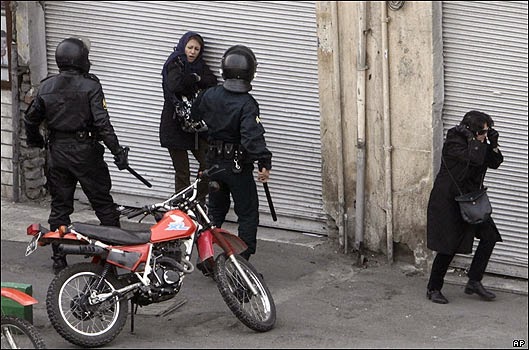
When the regime deems it “morally” necessary to beat a woman in the street for violating dress codes, it is not a stretch to imprison that same woman for spreading sedition by posting selfies on Instagram. From that point, it’s a pretty simple leap to executing her for high treason for liking a post by a protestor on Twitter.

This goes a long way to explaining why the mullahs see any opposition to their rule as a catastrophic threat to their power. The mullahs—backed by the muscle of the Revolutionary Guard Corps—operate essentially on a fear basis.

The existence of any organized opposition that survives outside of the mullahs’ control is dangerous to them because it plants the seeds in the minds of Iranians that they can pursue a life outside of fear, in peace, democracy and freedom.

The creative freedom artists express or the veracity that journalists employ are just examples of the threats posed to the mullahs’ rule, which explains why they are often the most heavily targeted individuals for oppression. The mullahs often make no distinction either if you are even a citizen of Iran, arresting and imprisoning notable foreign journalists such as Jason Rezaian of the Washington Post to silence what they perceive as negative opinion.

The core of the Iranian resistance movement resides in long time dissident groups such as the People’s Mujahedin Organization of Iran and its umbrella group, the National Council of Resistance of Iran.

For the mullahs, the mere existence of these groups is a bitter pill and they have worked to dismiss, discount and even eradicate their existence.

The regime’s intelligence services engage in a cyber war that includes the creation of outlandish fake websites branding opponents as evil doers. They regularly flood the news media and social media channels with disparaging commentary. They supply and direct the Iran lobby and affiliated groups to attack and demean opposition groups.

And in the case of Camp Liberty in Iraq which houses thousands of these dissidents, the Iranian regime regularly directs Shiite militias to attack it with rockets, mortars and gun battles as recently as this week.

Here is where the regime makes the transition to terrorism when it sees violence as its only means of statecraft and diplomacy. The maximum example of that is the Syrian civil war in which over 600,000 Syrians have been killed and half of the nation’s population has been displaced and become refugees.

The use of outright warfare in supplying Quds Force fighters, IRGC soldiers, regular Iranian army, recruited Afghan mercenaries and Hezbollah terrorists showcases the mullahs complete disregard for peace and negotiation.

As Shahriar Kia, a press spokesman for residents of Camp Liberty, put it in The Hill:

“Iraq is yet another canvas where Iran’s fingerprints are witnessed ever more as the international community continues to unfortunately neglect this very dangerous flashpoint corner of the globe. Iran-crafted and sponsored Shiite militia groups are once again accused by international human rights organizations of pursuing systematic and sectarian killings and human rights violations targeting the minority Sunni community in the recent campaign to retake the city of Fallujah, west of Baghdad, from Daesh (the Arabic acronym for the self-proclaimed Islamic State, ISIS or ISIL),” he said. “This ultimately further marginalizes and alienates the Sunnis, and further pushes them into adopting extremist methods and welcoming radical groups.”

The weekend, the NCRI held its annual gathering outside of Paris and made the case for a peaceful, democratic transition in Iran away from the rule of the mullahs.

The NCRI and opposition groups such as the PMOI offer a viable alternative for the Iranian people to make a choice. Unfortunately the mullahs have consistently rigged the elections to never even allow a true opposition candidate to appear on the ballot for fear if they let one in, it will become a flood demanding change.

Sir David Arness, a member of the British Parliament, said in a recent edition of Forbes:

“The NCRI had advocated for real-world solutions in order for the international community to help the Iranian people achieve this goal, solutions that include heightened economic sanctions on the theocratic leaders and those responsible for human rights abuses in Iran, a recognition of Iran’s human rights record and violent foreign policy, along with approaches vis-à-vis the nuclear program that are more well adapted to an Iran that has time and again deceived the international community,” he said.

It is high time the international community recognize the link between oppression and terrorism and hold Iran accountable for both.

Michael Tomlinson

Filed Under: Blog, News Tagged With: Featured, Iran, Iran deal, Iran Human rights, NCRI

Terrorism Strikes in Turkey and Iran Regime Runs Away

June 30, 2016 by admin

Terrorism Strikes in Turkey and Iran Regime Runs Away

Terrorism Strikes in Turkey and Iran Regime Runs Away

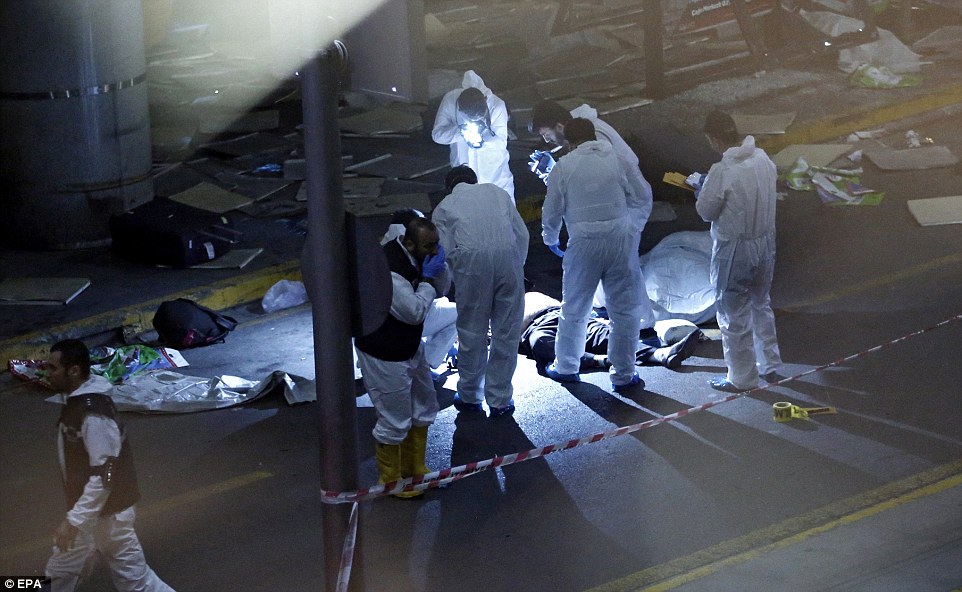
Terror struck another airport again, this time in Turkey, with devastating loss of life. The world was quick to label it terrorism and it brought back fresh memories of similar attacks in Paris and Brussels as suicide bombers fired assault rifles at passengers and then exploded vests.

While no terror group has claimed responsibility so far, suspicion by Turkish officials naturally fell on ISIS which operates extensively along the border with Syria and Iraq. If this attack was perpetrated by the Islamic State, it opens up a widening front in its efforts to destabilize Turkey, which has already suffered steep drops in tourism; a vital component of its economy.

What is worrisome is the larger global trend towards rising violence from radicalized Islamists, either operating directly under the control of terrorist leadership as in Paris, or being self-radicalized as in San Bernardino and Orlando.

The response from many countries to these escalating attacks has been to call for stepped up attacks on ISIS in Syria and Iraq, as witnessed by Wednesday’s attack of an ISIS column leaving Falluja in Iraq by U.S.-led aircraft, or call for a hardening of potential soft targets at home.

What none of these suggestions deal with is the source of this rise in terror from extremist Islamic groups, which is the Iranian regime. Iran and its mullahs sit at the center of the sectarian violence wracking the region.

It was Iranian regime’s intervention in Syria to save the Assad regime that helped to spawn ISIS in the first place. It was Iran that provided safe haven for many of the leaders of Al-Qaeda forced out of Iraq and Afghanistan by the U.S.-led invasions, only to see them go back to fight in Iraq and Syria.

It was Iran that forced the government of former Iraqi prime minister Nouri al-Maliki to force his Sunni coalition partners out of the government, leading to the schism that resulted in the quick fall of Mosul and most of northeastern Iraq to ISIS, giving the terror group its big boost in territory, cash and oil wells.

Predictably, while the rest of the world expressed shock, outrage and sympathy over the attacks in Istanbul, the response by the Iranian regime was understandably muted.

Bahram Ghasemi, newly-appointed spokesperson for the regime’s foreign ministry, officially reacted to the blast when he offered condolences and sympathy to the bereaved families of the victims and Turkish government in state-run media.

“As Foreign Minister Zarif had frequently stated, there is a systematic lack of international resolve to address the vicious phenomenon; extremism and terrorism would not be limited to political and geographical borders,” he said.

There were no similar sentiments expressed by regime leaders such as Ali Khamenei or Hassan Rouhani.

The two-faced nature of the Iranian regime when it comes to condemning acts of terror was highlighted in an editorial by Tom Ridge, former secretary of homeland security, in the Washington Times, in which he took the regime to task for its expressions of sympathy following the mass shooting at the Pulse nightclub in Orlando.

“It’s hard to imagine an expression of sympathy more disingenuous. Tehran’s comments must be viewed against a backdrop of its status as the world’s most active state sponsor of terrorism, its steady propaganda against the United States, and its own brand of homophobia that has its origins in Islamic extremism,” he said.

“Iran is not all talk. The rhetoric about Western ‘arrogance’ and ‘hostility’ has been backed up by the arrests of numerous people who hold both Iranian and Western citizenships. The same goes for journalists, artists and professionals who have any meaningful connections with the West, and for activists the regime deems pro-Western,” he added.

This disconnect between the lip service Iran pays to acts of terror, while fully committing itself to supporting and funding it lies at the heart of the problem with the approach the U.S. and European Union have taken to Iran since the nuclear agreement was reached last year.

You cannot hold a state sponsor of terror such as Iran accountable when you are rushing to do business deals to enrich it. It is dangerous and will eventually lead to only more acts of terror and more chaos across the world.

The rise is terror is only matched by the abhorrent level of human rights abuses being committed by the Iranian regime as well.

Perviz Khazaii, former Ambassador of Iran in Sweden and Norway and the representative of the National Council of Resistance of Iran in Nordic countries, penned an editorial in The Diplomat highlighting these abuses.

“Violent punishments are not confined to Iran’s prisons, either. For instance, in October 2014, gangs affiliated with the regime carried out acid attacks on at least 25 Iranian women and girls who were regarded as being improperly veiled or otherwise in violation of religious norms,” he said.

“This sort of enforcement of the regime’s ruling ideology has also motivated a massive, ongoing crackdown on activists, writers, bloggers, and artists. This has helped Iran to secure its title as the largest jailer of journalists in the Middle East,” he added. “In short, the human rights situation is deteriorating at a fast pace.”

  1. Matthew McInnis, a resident fellow at the American Enterprise Institute, also examined how Iran’s involvement in these conflicts has fueled the rise in sectarian violence as the mullahs seek to solidify a Shia sphere of influence for themselves in Syria and Iraq in an editorial in the National Interest.

“Tehran’s most frequent foreign-policy blind spot remains underestimating the degree to which its aggressive regional activities spur sectarian and ethnic backlash. If it can avoid triggering further Sunni radicalization, an internal Shia civil war, and the potential breakup of the country, however, the Islamic Republic is likely in good shape to continue its ‘Iranianization’ of Iraqi security and political structures,” McInnis writes.

The world should stop enabling the regime and hold it accountable for the spread of  terrors motivated by Islamic extremism.

By Michael Tomlinson

Filed Under: Blog, Latest from Lobbies & Appeasers, News Tagged With: Featured, Iran, Iran deal, Iran Human rights, Iran Terrorism, IRGC, Khamenei, Sanctions, zarif

Iran Lobby Tries to Spin Continued Blacklisting of Iran Regime

June 27, 2016 by admin

Iran Lobby Tries to Spin Continued Blacklisting of Iran Regime

Iran Lobby Tries to Spin Continued Blacklisting of Iran Regime

An international group that monitors and combats money laundering worldwide decided this weekend to keep the Iranian regime on its blacklist of high-risk countries, which included notably Syria, Iraq, Yemen and Afghanistan; all countries the regime is currently engaged in proxy wars.

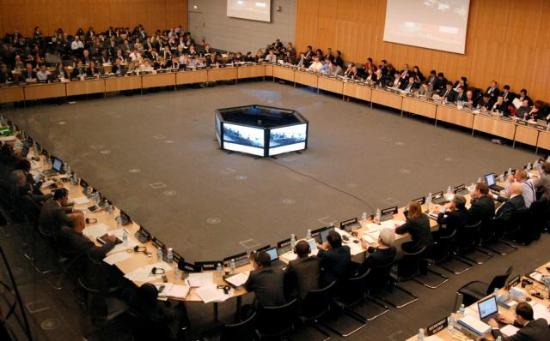
At a meeting of its 37 members in South Korea, the Financial Action Task Force also moved to keep North Korea on its blacklist and urged countries to be on guard against Pyongyang’s attempts to bypass sanctions to finance illicit weapons programs.

“The FATF, therefore, calls on its members and urges all jurisdictions to continue to advise their financial institutions to apply enhanced due diligence to business relationships and transactions with natural and legal persons from Iran,” read the statement FATF issued.

The FATF deferred to the potential for the Iran nuclear deal to help motivate Iran’s support of terrorism, and opted to defer further sanctions for another 12 months to see if the Iranian regime follows through on its promises.

But it is interesting to note the FATF only list 11 nations as being high-risk or non-cooperative in the areas of money laundering and support for terrorism and the Iranian regime is affiliated in its support with five of them. Almost half of the nations on the planet engaged in these activities are tied to the mullahs in Tehran.

That is a remarkable achievement for any regime to take, especially one that is constantly defended by the Iran lobby as a peaceful and moderate nation.

The absurdity of that defense reached new levels with a statement issued by the National Iranian American Council’s Tyler Cullis, which welcomed the deferred action by the FATF, but ignored the continued presence of the regime on the blacklist; choosing instead to look at the glass half-full scenario.

“FATF has suspended its call for Member-States and other jurisdictions to impose counter-measures against Iran and its financial institutions, which should send a clear signal to international banks and businesses that economic opportunities with Iran can move forward,” Cullis said.

It’s a rather willfully ignorant statement since the FATF clearly warned member countries to exercise due diligence when dealing with anyone connected to Iran. When applied to financial institutions such as commercial banks, that is a clear warning to stay away from Iranian regime, which virtually all major banks have opted to do given the uncertainty raised by the FATF.

Cullis claims that the regime has made meaningful steps to counter the financing of terrorism in what has to be the biggest obfuscation since Adolf Hitler said Czechoslovakia invited the Nazis in.

Cullis ignores the interception of several Iranian boats attempting to smuggle guns, rockets and ammunition to Houthi rebels in Yemen. Cullis ignores the arming and support Shiite militias in Iraq which are now meting out retribution against Sunni tribes in furthering sectarian bloodshed. Cullis ignores the long-term funding of Hezbollah and the use of terror in the Syrian conflict in targeting civilians and Doctors Without Borders hospitals.

There is good reason why Transparency International ranks the Iranian regime 130th out of 168 countries in the world for corruption with a score of 27 out of 100. Cullis claiming there are meaningful reforms coming from the mullahs in Tehran to combat terrorism is like claiming a butcher shop is trying to go vegan.

Sanctions experts, banking sources and Western officials say little will change regarding financial institutions’ “hands off” approach to Iran, above all due to concerns about the Islamic Revolutionary Guard Corps’ (IRGC) omnipresence in the Iranian economy. The IRGC is still under international sanctions, according to Reuters.

“Practically speaking the FATF decision changes little since global financial institutions will continue to voluntarily implement strict counter-measures given their serious concerns over Iran’s illicit financial conduct,” said sanctions expert Mark Dubowitz of the Foundation for Defense of Democracies.

To further illustrate how Cullis and the rest of the Iran lobby is wrong, the regime’s top mullah Ali Khamenei obliged with yet another warning of violence to a neighbor, in this case Bahrain.

He blasted as “foolishness” a decision by Bahrain’s leaders to strip a top Shi’ite Muslim cleric of his citizenship, and said it could provoke violence from Shi’ites, who make up the majority in the Sunni-ruled Gulf kingdom.

The speech by Khamenei, carried by state media, came after Bahrain’s Sunni authorities stepped up measures against the island’s Shi’ites and stripped their spiritual leader, Ayatollah Isa Qassim, of his citizenship.

“This is blatant foolishness and insanity. When he still could address the Bahraini people, Sheikh Isa Qassim… would advise against radical and armed actions,” Khamenei said in remarks carried by state television on Sunday.

“Attacking Sheikh Isa Qassim means removing all obstacles blocking heroic Bahraini youths from attacking the regime,” he said.

Of course he neglected to mention that Bahrain has long maintained that Iran funnels financial material support to would-be insurgents.

Again, that pesky “funding terrorism” problem.

Aside from funding terrorism, the Iranian regime still remains a black hole for human rights and its continued arrests of foreign nationals alone should keep it in the sanctions pokey.

In the case of Montreal-based university professor, Homa Hoodfar is being held in an Iranian jail and being investigated for “dabbling in feminism and security matters,” according to her family, while in the case of Nazanin Zaghari-Ratcliffe, a British woman arrested by regime authorities, who claimed she was being held in solitary confinement for three months because she helped to “design a website.”

If the Iranian regime is afraid of women like these, its days in power are surely numbered.

By Michael Tomlinson

Filed Under: Blog, News Tagged With: Featured, Iran, Iran deal, Iran Human rights, Iran Lobby, Iran sanctions, Iran Terrorism, IRGC, Khamenei, National Iranian American Council, NIAC, Tyler Cullis

Iran Lobby Tries to Pivot to Immigration to Hide Abuses

June 27, 2016 by admin


Iran Lobby Tries to Pivot to Immigration to Hide Abuses

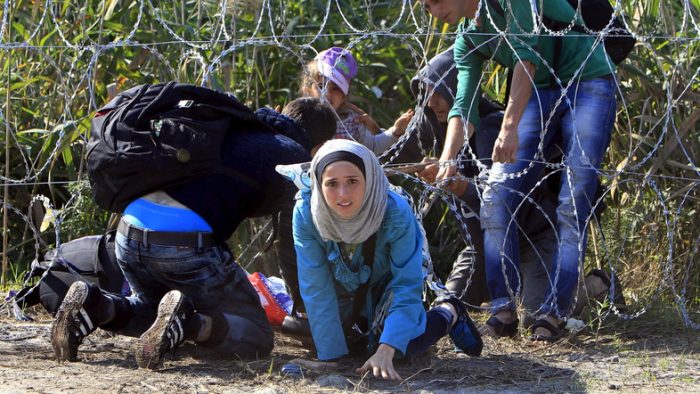
A Syrian migrant family enters Hungary at the border with Serbia near Roszke, Hungary August 28, 2015. REUTERS/Bernadett Szabo

Political events in Europe and the U.S. have pushed immigration issues to the forefront of talk shows and government agendas, but many of the most pressing immigration have their roots not in an escape from economic poverty, but rather the specter of terrorism and war, especially as a result of the Iranian regime’s involvement in the three largest wars going on right now in Syria, Iraq and Yemen.

It was not an accident that in the wake of World Refugee Day, there was broad acknowledgement that the source of most of the world’s refugee problem comes from the instability sweeping across the Middle East.

While the political discussion of immigration in the U.S. presidential election and the controversial Brexit vote has revolved around the impact mass immigration is posing to countries, the real underlying discussion is only now starting to focus on the roots causes of these mass movements of people fleeing violence in their own lands.

Also, in the wake of numerous terrorist attacks ranging from San Bernardino, California to Sydney, Australia and Paris, France to Ottawa, Canada, the infectious and noxious influence of spreading Islamic extremism is being felt; much of it flowing from the mullahs in Tehran and through their agents in the Revolutionary Guards and Quds Forces who organize, recruit, train, arm and fund extremists.

Predictably though, the Iran lobby has sought to capitalize on the immigration debate by focusing the discussion not on the root causes of these mass displacements. It’s a necessary gambit and typical of the Iran lobby to deflect attention from the real core issue of bloody sectarian conflict fueled by the mullahs.

The National Iranian American Council took the lead with several editorials and statements it has issued attempting to blame everyone else but the Iranian regime for the misery being inflicted on the millions of refugees fleeing these conflict zones.

Sarah Sakha offered up the idea on NIAC’s website that Americans opposed any bans on Muslims and refugees based on a Brookings Institute poll, but failed to address the core concern these same Americans have which is how to stop the spread of Islamic-inspired terrorism washing across the U.S. through Boston, Fort Hood, Chattanooga, San Bernardino and now Orlando.

She also fails to discuss the increase in terrorism and the harshness of the treatment of men, women and children in Iran by the regime is disingenuous and ignores the root causes of these problems. Likewise it lays bare how transparent the Iran lobby is in defending the regime from any criticism of its policies.

Similarly, the NIAC gave space to cover a recent meeting by the Atlantic Council and Iran Project with national security staffer Ben Rhodes who was famously revealed to have crafted the “echo chamber” supporting the Iran nuclear deal on a foundation of lies. The symposium was designed to defend the faltering nuclear deal from blistering criticism that it has failed to moderate Iran and instead has led to the great instability and bloodshed we see now.

Rhodes even used the examples of the openings made to Cuba and Burma as templates for why Iran should be treated in of those countries agreed to renounce terrorism h of those countries agreed to renounce terrorism and in Burma’s case actually held free elections that installed long-time dissidents in control of the government for the first time.

The Iran regime has done none of those things.

The NIAC even took on the recently unveiled the House Republican’s policy paper listing its priorities in the upcoming election including the re-imposition of sanctions on Iran for continued violations of human rights and sponsorship of terrorism, as well as its deliberate efforts to violate the nuclear agreement with ballistic missile tests and the clandestine sanitizing of sites of any evidence of prior testing of nuclear materials.

Ironically, while the NIAC attacks the idea that imposing new sanctions for continued human rights violations, it never denies that severe human rights violations are taking place in Iran. Instead, it attributes the suffering and misery being inflicted on the Iranian people with mass arrests and executions not to the actions of the mullahs, but rather the lack of U.S. currency flowing to the regime as a result of the nuclear deal.

It is the height of stupidity to equate torture in Iran to a lack of cash.

That seems to be the mantra being repeated most often by the Iran lobby these days as it pushes to get cash into the hands of the regime as quickly as possible, but not for the benefit of ordinary Iranians it seems as the regime is being rocked by protests over disclosures that high-ranking executives at state-owned businesses are being paid obscene salaries while Iranians are being exhorted by the mullahs to continue a “resistance economy” of deprivation.

The Daily Beast also disclosed that a former Clinton administration official has been on the payroll of Boeing as it strived to close a deal with Iran to sell $25 billion worth of commercial airliners.

Thomas Pickering, one of the country’s most famous diplomats and a former ambassador to Israel and the United Nations, has been quietly taking money from Boeing while vocally supporting the Iran nuclear deal—testifying before Congress, writing letters to high-level officials, and penning op-eds for outlets like The Washington Post.

Pickering confirmed via email—from his Boeing corporate email address—that he was on staff at the company from 2001 to 2006 and has been a paid consultant for them ever since.

Neil Gordon—an investigator for the Project on Government Oversight, a Washington watchdog organization—said Pickering should have been upfront about his work for Boeing when testifying before Congress on the Iran nuclear deal and making the case for it in op-eds for major publications.

“In Pickering’s case, he has a direct connection to Boeing, which I think should be disclosed,” he said.

Over the past few years, Pickering has been one of the most vocal and visible advocates for the nuclear agreement with Iran. On June 19, 2014, he testified before the House Armed Services Committee about his views on the need for a comprehensive agreement with Iran. He did not mention Boeing in the disclosure form he provided to the committee prior to his testimony. Boeing also isn’t mentioned in his bio that the House kept on file.

The lack of disclosure of his work in support of the nuclear deal and his participation in Rhodes’ “echo chamber” is disturbing and shows the complicated and extraordinary efforts made by the Iran lobby to secure the nuclear deal for Iran.

Most disturbing, his bio on the NIAC website where he serves as an advisory board member, notes that he worked at Boeing until 2006 but does not note that he still consults for the company. Same for his bio at the anti-nuclear weapon group Global Zero. His bio at The Iran Project doesn’t mention Boeing at all.

The lack of disclosure and his active work with leading members of the Iran lobby while also collecting fees from Boeing which the Obama administration is doing all it can to facilitate business with the regime raises alarm bells everywhere of conflicts of interest and outright deception.

Trita Parsi of the NIAC also using the same scape goat, blamed the suffering of Iranians on the lack of business deals with Iran following the nuclear deal.

“If the Iranians end up de facto not getting sanctions relief, the deal will collapse,” he said. “That’s right now the biggest threat to the sustainability of the deal.”

He is right, but the threat isn’t coming from foreign companies, but rather the mullahs themselves as they pursue policies turning most of Europe into a massive refugee center.

By Michael Tomblinson

Filed Under: Blog, Current Trend, News Tagged With: #NuclearDeal, Ben Rhodes, Featured, Iran, Iran deal, Iran Human rights, Iran Lobby, Iran sanctions, National Iranian American Council, NIAC, Sarah Sakha, Thomas Pickering, Trita Parsi

Uranium Discovery at Iran Facility Shows Depth of Regime Deception

June 24, 2016 by admin

Uranium Discovery at Iran Facility Shows Depth of Regime Deception

Uranium Discovery at Iran Facility Shows Depth of Regime Deception

The Wall Street Journal reported the discovery of uranium particles at the Iranian regime’s secretive Parchin military facility during inspections last year which tied the regime to its past, covert nuclear weapons program contradicting the arguments made by the mullahs in Tehran and the Iran lobby that it was not developing nuclear weapons.

Traces of man-made uranium were found at the Parchin facility, southeast of Tehran, by investigators from the International Atomic Energy Agency, the United Nations’ nuclear watchdog, as part of an investigation tied to the landmark nuclear deal reached last year.

The regime long claimed the site was only used for developing and testing conventional weapons; not nuclear ones, but the particles are the first physical evidence—on top of satellite imagery and documents from defectors and dissident groups—to support the charge that Iran had been pursuing a bomb there in the past.

Unsurprisingly, the U.S. administration didn’t comment about the uranium in December when the IAEA released its report; the finding got only one brief mention in the 16 pages. The lack of attention could be attributed to the administration’s recent efforts to appease the regime and not rock the boat with any embarrassing disclosures giving ammunition to critics of the nuclear deal.

But in recent interviews, current and former U.S. officials asked about the uranium finding said the working assumption now is that it is tied to nuclear weapons development that Iran is believed to have pursued more than a decade ago.

The fact that the IAEA discovered the particles even after the regime had engaged in a massive clean and sanitizing effort at the Parchin site, which included the removal of tons of topsoil and dismantling of all infrastructure that may have been exposed to radiation, leaves the impression that the size and scope of Iranian nuclear activities there were extensive. Much of that clean-up effort was documented on satellite imagery.

According to the Journal, the man-made uranium found at Parchin, which has only low-levels of fissionable isotopes, can be used as a substitute for weapons-grade materials in developing atomic bombs, according to nuclear experts. It can also be used as component in a neutron initiator, a triggering device for a nuclear weapon.

While the Obama administration has refrained from making an issue of the uranium discovery, the fact of its existence buries a key argument made by the Iran lobby groups such as the Ploughshares Fund and National Iranian American Council that the Iranian regime was not engaged in any nuclear weapons development.

The significance of exposing that lie by the lobby, coupled with recent admissions from national security staffer Ben Rhodes of the creation of an “echo chamber” built on falsehoods to support the nuclear deal, shows that the basis for the nuclear deal was clearly false.

It also means that at a fundamental level, the Iranian regime cannot be trusted.

Jennifer Rubin, writing in the Washington Post’s Right Turn column, put in correctly when she called the willful ignorance of the evidence of uranium a “bait and switch” approach to negotiations.

“After the administration repeatedly promised Congress and the American people that Iran would need to reveal possible military dimensions (PMDs) of its nuclear program, the final deal did not do so. The administration claimed it was unrealistic to expect Iran to come clean, and besides, we would know everything about Iran’s program. Now we know at least at Parchin there is evidence of precisely what we suspected all along. What we do not know — because the administration let Iran off the hook — is the extent of that program, other sites that might have been used and any information that would have come had the IAEA been allowed to interview scientists,” she writes.

“It should be clear to both Democrats and Republicans that the Iran deal allowed Iran to escape scrutiny of past violations and left plenty of room to maneuver and evade future inspections. It should likewise be clear that fear of losing the deal has led the administration to countenance Iran’s non-nuclear misbehavior. With a new president should come a new Iran policy, one that halts new concessions (e.g. dollar transactions), applies new economic pressure and, where possible, claws back concessions the prior administration made. If nothing else, a tougher stance against Iran will persuade our Sunni allies that we have stopped deluding ourselves about the nature of the Iranian regime,” she adds.

It is clear that if there is to be any meaningful accountability of the Iranian regime, it will have to come from a new incoming administration which has been freed from any preconceived notions of believing in the fairy tale of a moderate Iran and benevolence within the mullahs in Tehran.

Next month, Iranian dissident groups will gather in Paris to hold a gathering aimed at demonstrating the vast opposition to the Iranian regime and give voice to all those who have suffered, been tortured and died at the hands of the mullahs. Many of these groups have helped supply international authorities with the evidence implicating the regime in nuclear weapons development.

It is only right the world give them the same attention it gave the Iran lobby during negotiations last year now that we know the real truth about Iran and nuclear weapons development.

By Michael Tomlinson

Filed Under: News Tagged With: Featured, Iran, Iran deal, Iran Human rights, Iran Lobby

Iran Regime Finding Itself Alone on an Island

June 24, 2016 by admin


Iran Regime Finding Itself Alone on an Island

Iran Regime Finding Itself Alone on an Island

For the past 16 years, the American-version of the hit reality television series “Survivor” has enthralled audiences with its competitions pitting contestants against each other in a remote location where food is scarce, alliances are formed and broken instantly, no one trusts anyone else, everyone fights for immunity and the goal is winning bundles of cash.

Sound familiar? It should to anyone who has watched the leadership of the Iranian regime over the same decade and a half period because it pretty much describes what is happening to the ruling mullahs in Tehran.

Like the contestants on Survivor, the aim and goal for the mullahs is a simple one: protect your own skin, backstab anyone and everyone and go home with the loot at the end of the game.

In Iran’s case, that has meant expunging all opponents – either by kicking them off election ballots or tossing them in jail or even hanging them – making overtures for peace to its neighbors and enemies and bringing in as many business deals as possible to fatten their bank accounts.

For the Iranian regime, the doctrine of “survival of the fittest” might be slightly altered to say “survival of the craftiest” since the mullahs have built their careers since the 1979 revolution in deception, misdirection and outright lying to the rest of the world and their own people.

Take for example the recent revelations from Iran that senior executives at top state-owned companies have been collecting lavish paychecks and perks at a time when ordinary Iranians are reaching levels of desperation for food, medicine and other goods almost on par with the chaos erupting in Venezuela.

The general director of state-run Bank Tejarat took home approximately $270,000 last year, according to one newspaper report this week. Another paper obtained a pay stub showing that an executive at the government-owned Iran Central Insurance Company pocketed $25,000 in one month – nearly 100 times the wage of the lowest-paid government employees.

Working stiffs everywhere believe their bosses are overpaid. But the disclosures carry particular significance in Iran, where egalitarianism was a mantra of the 1979 revolution, and where perceived moderate President Hassan Rouhani has staked his administration on promises to improve ordinary citizens’ lives, according to the Los Angeles Times.

Under Iranian law, no government employee can be paid more than seven times what the lowest paid worker earns. Apparently the law doesn’t seem to apply to the leadership of the regime, nor to the companies and industries controlled by it and the Revolutionary Guard Corps.

While laborers in some state-run factories go months without receiving paychecks and stage regular protests in front of parliament in Tehran, a small elite continues to live large off of chronic mismanagement and cronyism in the bloated public sector.

Last year there was a public outcry when several social media profiles showed photos and videos of young Iranians flaunting the affluence of their families with exotic cars, foreign trips, designer clothes and extravagant parties, with many of them tied to well-connected regime officials.

Media reports said three managers at the state insurance company together earned nearly $60,000 in a month earlier this year, while the average salary of a high school graduate is about $300 a month. The insurance company said the amounts included bonuses, family allowances and other perks in addition to salary – an explanation that did not diminish public anger.

Mohammad Reza Zabalipour, a businessman and head of Tehran’s World Trade Center, said the leaks exposed the lack of meritocracy in Iran’s public sector.

“Many managers are enjoying vast salaries not because of their merits and qualifications but because of their connections to this or that politician or political party,” Zabalipour said. “And because they anticipate dismissal anytime, once they are at the helm of a state-run enterprise they do their best to fill their pockets as much and as soon as possible.”

The growing isolation of the regime’s leadership from the people of Iran resembles the shrinking tribes on Survivor as contestants are voted off the island each week until only there are only a few left standing to fight for the prize. You get the feeling that Rouhani might become the odd man out as his usefulness to top mullah Ali Khamenei as a moderate puppet is exhausted amidst growing domestic unrest.

Much of these signs have come in the form of harsher, broader and deadlier crackdowns in Iran against dissenters; although perceived dissent now comes in all forms, not just political.

The news that an international group that monitors money laundering worldwide is expected to decide this week to keep Iran on its blacklist of high-risk countries despite aggressive lobbying by Tehran to come off the list to help it access the global financial system portends even more trouble for the regime, Western officials said.

The Financial Action Task Force (FATF), established in 1989 to combat money laundering and the financing of terrorism and weapons of mass destruction, compiles the list, which it regularly updates. Its 37 member states are meeting in South Korea.

“No changes to Iran’s status on the blacklist are imminent, though I think perhaps we can expect some words of encouragement and recognition of Iran’s attempts to make progress,” said one Western official familiar with FATF discussions, who asked not to be named. Two other Western officials concurred this week with the opinion that Iran would not be taken off the blacklist at this time.

Soon that Survivor island in Tehran may just include Khamenei and a few bodyguards with no one else left to imprison or torture.

By Michael Tomlinson

Filed Under: News Tagged With: Featured, Iran, Iran Human rights, Iran Lobby

Iran Regime Looks to Expand Into Latin America

June 22, 2016 by admin

Iran Regime Looks to Expand Into Latin America

Iran Regime Looks to Expand Into Latin America

In 1994, a Buenos Aires Jewish community center was bombed by terrorists. Speculation focused on the Iranian regime and its terrorist proxy Hezbollah, as well as the long reach of the Revolutionary Guard Corps and its specialized Quds Forces.

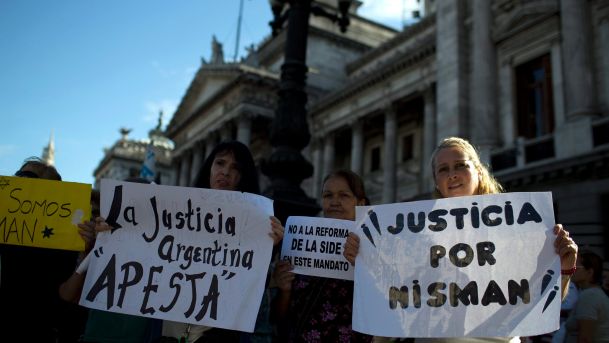
Argentine prosecutor Alberto Nisman had doggedly pursued the investigation into the bombing, leading up to his indicting eight former Iranian regime officials and one Lebanese national in 2006. The following year, at Nisman’s behest, Interpol issued “red notices” for the arrest of six of the accused. But the Iranian regime predictably took no action.

The Wall Street Journal reported on Nisman’s efforts this week culminating to his death under suspicious circumstances when he died from a single gunshot to the head in January 2015, a day before he was scheduled to testify to Argentina’s Congress about an alleged government cover-up of the bombing.

Using legal wiretaps, Nisman later built a case that then-President Cristina Kirchner’s government had a covert agreement with Iran to wipe Tehran’s fingerprints off the AMIA attack, as the center was known, in exchange for Iranian oil and reopening Iran’s market to Argentine grain and beef.

Nisman had filed a criminal complaint against members of the Kirchner government the week before he died. Killing him did nothing to stop the public from learning of the contents of his report. Yet his death did put the brakes on his plan to bring the Iranian regime’s crime into the international arena. It had the potential to undermine the key foreign-policy objectives of Tehran, especially plans by the mullahs to engage the West in a nuclear agreement to lift economic sanctions.

The lifting of sanctions and the re-engagement of commercial activity is a crucial element to Tehran’s long-term plans since it allows the regime to deploy political and military operatives specializing in propaganda, intelligence, terrorism and insurgency to finance their illicit activities under the guise of normal everyday business.

Months after Nisman’s death, a safe-deposit box was discovered with a signed document by him formally requesting the United Nations to intervene in the investigation.

Joseph Humire, the executive director of the Washington, D.C., based Center for a Secure Free Society, uses thousands of documents and legal wiretaps released to the public to show how the prosecutor’s death eliminated a key stumbling block for Iran and “paved the way for [it] to move into a new phase of its information and intelligence operations in Latin America.” If the theocracy, which is the No. 1 state-sponsor of terrorism in the world, did not murder Nisman, it was the biggest beneficiary of his death.

The timing of Nisman’s death was thus critical as the Iranian regime entered intense negotiations by 2015 for a nuclear deal. An investigation in Argentina showing the regime’s culpability in terrorist acts abroad would severely damage the arguments being made by the regime and the Iran lobby that the incoming administration of Hassan Rouhani was only focused on peaceful and moderate accommodation with the rest of the world.

Authoritarian governments in Venezuela, Bolivia and Nicaragua have welcomed the presence and influence of Iran, but Latin American countries have been surreptitiously invaded, beginning with embassies, cultural centers and mosques. Peru’s southern rural communities are typical targets for launching networks. Front companies in the beef and oil industries in Brazil and Uruguay are used to provide cover for Iranian regime’s operatives, according to Humire, who also cited the rise of Iranian mullahs’ infiltration of universities.

Surely the mullahs in Tehran see the opportunity and have aggressively moved to expand their influence in a region with a U.S. administration pursuing a policy of appeasing the regime.

The linchpin of  those efforts remain the nuclear deal reached last year which is giving the Iranian regime the legal fig leaf to seek out commercial agreements providing it the opportunity to expand its influence throughout the world.

The situation in Argentina of suppressing a terrorist attack in exchange for business deals was a dark foreshadowing of what is happening today with recent announcements by companies such as Boeing in new agreements with the regime.

The nuclear agreement has been under severe criticism though with revelations and disclosures coming almost daily undercutting the arguments made by the Iran lobby and other regime supporters in favor of it. These include:

  • The promise of empowering Iranian “moderates” in upcoming elections, only to see the overwhelming majority of perceived moderates knocked off the ballot and hardliners in firm control of all leadership positions;
  • The promise that Iran would be an influence for peace in the region, but instead has widened the war in Syria, brought Russia into the fighting and started the civil war in Yemen, while boosting sectarian conflict in Iraq between Sunni tribes and Shiite militias; and
  • The promise of improving the plight of the Iranian people economically and in human rights, have been dashed as mass arrests and executions have reached an all-time high while the economy and standard of living in Iran have reached an all-time low.

But the Iran lobby continues to fight for the survival of the nuclear deal and by extension the survival of the regime’s leadership as evidenced by an editorial penned by Seyed Hossein Mousavian, former head of the Foreign Relations Committee of Iran’s National Security Council, and Reza Nasri, a scholar at the Graduate Institute of International and Development Studies in Geneva in the New York Times.

They predictably blamed the U.S. for not living up to its end of the nuclear agreement bargain by keeping in place sanctions not related to the nuclear program, but instead human rights violations and sponsorship of terrorism, thereby threatening to undermine Iranian confidence in the deal.

In essence, they are saying the U.S. should be at fault if the mullahs walk away from the deal because it restricts their ability to fund terror.

It is an inane argument and one quickly losing its appeal as the spread of Islamic extremism from Iran now reaches into the Americas.

By Michael Tomlinson

Filed Under: Blog, News Tagged With: Featured, Iran, Iran deal, Iran Human rights, Iran Lobby, Nisman, Seyed Hossein Mousavian

Islamic Extremism and Iran Regime Center of Refugee Crisis

June 20, 2016 by admin

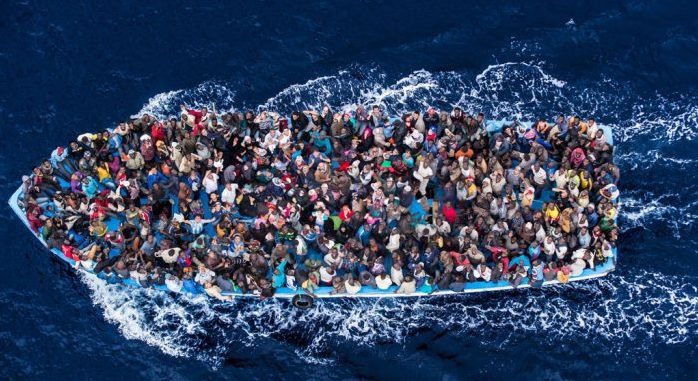
4/Hundreds of refugees and migrants aboard a fishing boat are pictured moments before being rescued by the Italian Navy as part of their Mare Nostrum operation in June 2014. Among recent and highly visible consequences of conflicts around the world, and the suffering they have caused, has been a dramatic growth in the number of refugees seeking safety by undertaking dangerous sea journeys, including on the Mediterranean.  The Italian Coastguard / Massimo Sestini

4/Hundreds of refugees and migrants aboard a fishing boat are pictured moments before being rescued by the Italian Navy as part of their Mare Nostrum operation in June 2014. Among recent and highly visible consequences of conflicts around the world, and the suffering they have caused, has been a dramatic growth in the number of refugees seeking safety by undertaking dangerous sea journeys, including on the Mediterranean.
The Italian Coastguard / Massimo Sestini

According to the United Nations refugee agency, 2015 marked the highest level ever recorded for the number of refugees around the world with an estimated 65.3 million people either refugees, asylum seekers or internally displaced; an huge increase of five million people over the year before.

This represents one out of every 113 people on the planet according to the UN; a stunning number and one that puts into sharp relief the existential refugee crisis facing not just the Middle East, but the entire world today. The report, entitled Global Trends, noted that on average 24 people were forced to flee each minute in 2015, four times more than a decade earlier, when six people fled every 60 seconds.

At the heart of that refugee crisis lie the root cause which is the rise of Islamic extremism and the wide number of wars and conflicts being waged by groups supported and affiliated with the Iranian regime.

In its annual report marking World Refugee Day, the UN said it was the first time the number of refugees worldwide had passed the 60 million mark.

“More people are being displaced by war and persecution and that’s worrying in itself, but the factors that endanger refugees are multiplying too,” said UN High Commissioner for Refugees Filippo Grandi.

Over half of the total comes from just three countries: Syria, Afghanistan and Somalia.

The Iranian regime’s involvement in coming to the aid of the Assad regime in Syria turned what was once peaceful demonstrations into what has now becoming one of the bloodiest wars on the planet. The Iranian regime’s recruitment of Russia to enter the fight in support of Assad only worsened the crisis and spurred the exodus of over half of Syria’s entire population.

The Iranian regime’s involvement in Afghanistan has also included using Afghan refugees to serve as mercenaries and cannon fodder for the fight in Syria. The other areas feeding into the refugee stream fleeing Iranian-inspired violence includes Yemen and Iraq, which accounted for a stunning 4.4 million people who were displaced due to the sectarian conflict fed by Iranian-supported Shiite militias.

Sadly, over half of the total refugees in the world are young children who are caught in the middle of these bloody conflicts. It also shows the Iranian regime’s callous disregard for youth since its own laws now allow for the execution of juveniles in Iran, which its religious courts have carried out with considerable vigor, hanging young boys and girls.

The Iran lobby has vigorously sought to defend the Iranian regime and attempted to portray the government of Hassan Rouhani of being a possible solution for the refugee crisis by attempting to moderate the hardline policies of the regime.

The reality has been the complete opposite as the mullahs have widened the Syrian war and initiated new ones in Yemen and Iraq.

At the heart of the increase in spreading Islamic extremism out of Iran have been the Revolutionary Guard Corps and its notorious Quds Force. Ray Takeyh, a senior fellow for Middle Eastern studies at the Council on Foreign Relations, examined the deepening role of the IRGC in Defense One in pushing the mullahs’ agenda and destabilizing the entire region.

“Iran seeks to become the most important player in Iraq and Syria and a commanding voice in the Gulf. The Guards, particularly the Quds Brigade, now numbering about fifteen thousand, are in the forefront of projecting Iranian influence. Among other tasks, they help train and provide intelligence for forces fighting on behalf of Bashar al-Assad’s regime in Syria and assisting Shia militias arrayed against Islamic State forces in Iraq,” he writes.

“In the coming years, the Guards are likely to be a force in both Iranian as well as regional politics. The Guards and the hardline clerics have a relationship of mutual dependence. As deeply pious men, the Guards need the approbation of the priestly class. And as politicians seeking power and regional preeminence, the clerics need the reliable muscle of the Guards. The region’s future may yet be defined by the compact between these two forces,” Takeyh adds.

The oppressive power of the Guards is necessary given the rising dissatisfaction of the Iranian people who have yet to witness any tangible benefits from the nuclear deal reached last year and instead have fumed at severe human rights crackdowns and deep corruption coming to light.

Revelations that senior Iranian government employees were being paid astronomical salaries have rocked the country and threatened popular support for the president, Rouhani. The revelations, which have sparked widespread anger, have continued to dominate front pages across the country, and even led to the resignation of the head of the state insurance regulator, Mohammad Ebrahim Amin.

The scandal first erupted two months ago when a series of payslips surfaced online, which showed a number of top executives at the state insurance company were being paid monthly wages roughly 50 times higher than the lowest government salary.

In a letter to his vice-president, Rouhani sought to deflect blame to previous administrations for the high salaries, but he cannot escape the deeply rooted belief among Iranians that the mullahs and Rouhani’s administration are corrupt and only invested in protecting themselves and their families.

Discontent with the Rouhani-led regime has bubbled to the surface among Iran’s young people who resent the lack of economic opportunity, the strictures against women in terms of jobs, education, dress and social activities, and the harsh treatment of anyone using social media inappropriately or engaging in activities deemed subversive by the mullahs.

The Financial Times examined one growing area of protest as Iran’s youth have sought to find more ways to express their discontent with the regime’s policies.

It is happening as growing numbers of young, city-dwelling Iranians push back against conservative traditions and religious restrictions.

Iran’s hardliners consider secular social movements by young men and women a conspiracy encouraged by outside forces — notably the US — to undermine the Islamic society. Ayatollah Ali Khamenei, Iran’s supreme leader and ultimate decision maker, warned earlier this month against “vulgarism in cultural issues”.

The widespread use of smartphones means teenagers spend most of their spare time on social media, notably Telegram, a popular messaging app, and Instagram. They join Telegram groups that have thousands of members across the country, the FT added.

Ultimately, the hope and future for Iran’s freedom may very well lie with these future generations.

By Michael Tomlinson

Filed Under: Blog, News Tagged With: Featured, Iran, Iran Human rights, IRGC

  • « Previous Page
  • 1
  • …
  • 13
  • 14
  • 15
  • 16
  • 17
  • …
  • 22
  • Next Page »

National Iranian-American Council (NIAC)

  • Bogus Memberships
  • Survey
  • Lobbying
  • Iranians for International Cooperation
  • Defamation Lawsuit
  • People’s Mojahedin
  • Trita Parsi Biography
  • Parsi/Namazi Lobbying Plan
  • Parsi Links to Namazi & Iranian Regime
  • Namazi, NIAC Ringleader
  • Collaborating with Iran’s Ambassador

Recent Posts

  • NIAC Trying to Gain Influence On U.S. Congress
  • While Iran Lobby Plays Blame Game Iran Goes Nuclear
  • Iran Lobby Jumps on Detention of Iranian Newscaster
  • Bad News for Iran Swamps Iran Lobby
  • Iran Starts Off Year by Banning Instagram

© Copyright 2026 IranLobby.net · All Rights Reserved.