Iran Lobby

Exposing the Activities of the lobbies and appeasers of the Mullah's Dictatorship ruling Iran

  • Home
  • About
  • Current Trend
  • National Iranian-American Council(NIAC)
    • Bogus Memberships
    • Survey
    • Lobbying
    • Iranians for International Cooperation
    • Defamation Lawsuit
    • People’s Mojahedin
    • Trita Parsi Biography
    • Parsi/Namazi Lobbying Plan
    • Parsi Links to Namazi& Iranian Regime
    • Namazi, NIAC Ringleader
    • Collaborating with Iran’s Ambassador
  • The Appeasers
    • Gary Sick
    • Flynt Leverett & Hillary Mann Leverett
    • Baroness Nicholson
  • Blog
  • Links
  • Media Reports

Resistance to the Iran Regime is Not Futile

July 14, 2016 by admin

Resistance to the Iran Regime is Not Futile

Resistance to the Iran Regime is Not Futile

For any Star Trek fan, one of the more infamous villains on the Next Generation series was the Borg; collective evil that utters the hostile demand “Resistance is futile.”

Of course the courageous crew of the starship Enterprise successfully resists the Borg and keeps humanity face from a perilous future of being absorbed by the Borg and losing all free will.

In the real world of today, the Iranian regime is strangely like the Borg. The mullahs in Tehran act as a collective mind, all lockstep in sync with their vision of creating a Shia sphere of influence and bringing all of their neighbors under the sway of their particular ideology.

And like the Borg, the Iranian regime has no humanity, is only concerned with achieving its objectives and sees the use of others—such as Afghan refugees enlisted to serve as cannon fodder in the Syrian civil war—as simply a means to an end; mere tools of statecraft.

The Guardian took a closer look at how Iran recruits these Afghans, often taking advantage of them as they face poverty or the threat of being denied entry into Iran from war-torn Afghanistan.

The newspaper found Iran is covertly recruiting hundreds of Afghan Shias in Afghanistan to fight for Syrian president Bashar al-Assad, drawing them out of their own conflict-ridden country and into another war in which Afghanistan plays no official part.

The Afghan fighters are often impoverished, religiously devout or ostracized from society, looking for money, social acceptance and a sense of purpose that they are unable to find at home, the newspaper said.

In return for fighting, Afghans are offered a residence permit in Iran and about $500 monthly salary. With no available official figures, estimates of how many Afghans are fighting in Syria vary wildly. Iranian state media, while not acknowledging direct Iranian involvement, say 20,000 Afghans are fighting in Syria.

For the Iranian regime, having a loyal Afghan militia may serve a longer-term purpose beyond Syria. “It clearly serves the interests of the IRGC to train Shia Afghans who later can fight the Taliban or other Sunni groups on Afghan soil after United States military withdrawal from that country,” said Ali Alfoneh, an independent Iran analyst based in Washington, DC.

This is part of the mullahs’ long-term plan; to develop assets that can be used to deepen and strengthen its power outside its borders.

Protecting the regime’s plans is the Iran lobby which serves as dutiful drones spouting the same messages over and over again and nauseum portraying the regime as a bunch of moderates struggling against the anti-Muslim rhetoric coming from regime opponents.

The Iran lobby, such as the National Iranian American Council, labels opponents as racists, war mongers, neocons, rebels and just about any other term you can come up with; all designed to cast doubts and aspersions on anyone daring to oppose the regime.

But the remarkable truth is the opposition to the Iranian regime is wider, more diverse, more inclusive and stronger than it has ever been since the Islamic revolution in 1979.

The broad coalition opposing the Iranian regime ranges from Iranian dissident groups such as the People’s Mojahedin Organization of Iran (PMOI) and the umbrella National Council of Resistance of Iran, to human rights groups such as Amnesty International and Human Rights Watch, to government agencies and organizations such as the Special Rapporteur for Human Rights in Iran for the United Nations and members of the European Parliament, U.S. Congress and other elected officials.

The opposition is also made up of ordinary Iranian citizens who protest and demonstrate in their own ways and pay a high price for those acts, including the imprisonment, torture and the ultimate sacrifice of martyrdom.

These include Iranian students, teachers, artists, journalists, musicians, bloggers, businessmen, women, writers and filmmakers. They represent the entire width and breadth of Iran and while their actions are often covered up and obscured by a regime intent on not letting the outside world know of their discontent, social media channels have helped get the word out on their suffering and defiance.

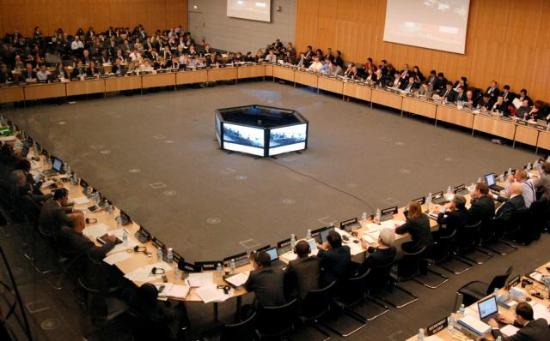
The symbol of that resistance projected itself on July 9th just outside of Paris in a cavernous convention hall filled with tens of thousands of people from around the world who convened as part of the annual gathering of resistance groups to the Iranian regime.

While this annual event has faithfully documented the injustices and abuses meted out by the regime during the year, this year’s event was significant and special because of the sharp and dramatic rise in terrorist acts committed by Islamic extremists around the world including most notably Paris, Brussels and Istanbul.

Coupled with a pivotal American presidential election and the recent Brexit vote, the political landscape will change dramatically over the next year, which is why the Iranian regime and its lobby allies have sought to influence the politics of these elections to safeguard a badly flawed nuclear deal that is delivering vast sums of cash to the mullahs.

The regime’s top mullah Ali Khamenei has repeatedly stated that the policies of Democrats and Republicans regarding Iran are not different, because the United States is opposed to the very existence of the Islamic Republic, which will not change through diplomatic negotiations.

Hence, in Khamenei’s view, the United States is pursuing no goal other than regime change in Iran and in this respect he is not incorrect because regime change is truly the only legitimate pathway to restoring democracy and freedom to the Iranian people.

This is why these opposition groups pledged for “Regime Change” when they convened on July 9th in La Bourget- Paris.

By Laura Carnahan
 

Filed Under: News Tagged With: Featured, Iran, Iran deal, Iran Human rights, Iran Lobby, National Iranian American Council, NIAC

Iran Lobby Tries to Spin Continued Blacklisting of Iran Regime

June 27, 2016 by admin

Iran Lobby Tries to Spin Continued Blacklisting of Iran Regime

Iran Lobby Tries to Spin Continued Blacklisting of Iran Regime

An international group that monitors and combats money laundering worldwide decided this weekend to keep the Iranian regime on its blacklist of high-risk countries, which included notably Syria, Iraq, Yemen and Afghanistan; all countries the regime is currently engaged in proxy wars.

At a meeting of its 37 members in South Korea, the Financial Action Task Force also moved to keep North Korea on its blacklist and urged countries to be on guard against Pyongyang’s attempts to bypass sanctions to finance illicit weapons programs.

“The FATF, therefore, calls on its members and urges all jurisdictions to continue to advise their financial institutions to apply enhanced due diligence to business relationships and transactions with natural and legal persons from Iran,” read the statement FATF issued.

The FATF deferred to the potential for the Iran nuclear deal to help motivate Iran’s support of terrorism, and opted to defer further sanctions for another 12 months to see if the Iranian regime follows through on its promises.

But it is interesting to note the FATF only list 11 nations as being high-risk or non-cooperative in the areas of money laundering and support for terrorism and the Iranian regime is affiliated in its support with five of them. Almost half of the nations on the planet engaged in these activities are tied to the mullahs in Tehran.

That is a remarkable achievement for any regime to take, especially one that is constantly defended by the Iran lobby as a peaceful and moderate nation.

The absurdity of that defense reached new levels with a statement issued by the National Iranian American Council’s Tyler Cullis, which welcomed the deferred action by the FATF, but ignored the continued presence of the regime on the blacklist; choosing instead to look at the glass half-full scenario.

“FATF has suspended its call for Member-States and other jurisdictions to impose counter-measures against Iran and its financial institutions, which should send a clear signal to international banks and businesses that economic opportunities with Iran can move forward,” Cullis said.

It’s a rather willfully ignorant statement since the FATF clearly warned member countries to exercise due diligence when dealing with anyone connected to Iran. When applied to financial institutions such as commercial banks, that is a clear warning to stay away from Iranian regime, which virtually all major banks have opted to do given the uncertainty raised by the FATF.

Cullis claims that the regime has made meaningful steps to counter the financing of terrorism in what has to be the biggest obfuscation since Adolf Hitler said Czechoslovakia invited the Nazis in.

Cullis ignores the interception of several Iranian boats attempting to smuggle guns, rockets and ammunition to Houthi rebels in Yemen. Cullis ignores the arming and support Shiite militias in Iraq which are now meting out retribution against Sunni tribes in furthering sectarian bloodshed. Cullis ignores the long-term funding of Hezbollah and the use of terror in the Syrian conflict in targeting civilians and Doctors Without Borders hospitals.

There is good reason why Transparency International ranks the Iranian regime 130th out of 168 countries in the world for corruption with a score of 27 out of 100. Cullis claiming there are meaningful reforms coming from the mullahs in Tehran to combat terrorism is like claiming a butcher shop is trying to go vegan.

Sanctions experts, banking sources and Western officials say little will change regarding financial institutions’ “hands off” approach to Iran, above all due to concerns about the Islamic Revolutionary Guard Corps’ (IRGC) omnipresence in the Iranian economy. The IRGC is still under international sanctions, according to Reuters.

“Practically speaking the FATF decision changes little since global financial institutions will continue to voluntarily implement strict counter-measures given their serious concerns over Iran’s illicit financial conduct,” said sanctions expert Mark Dubowitz of the Foundation for Defense of Democracies.

To further illustrate how Cullis and the rest of the Iran lobby is wrong, the regime’s top mullah Ali Khamenei obliged with yet another warning of violence to a neighbor, in this case Bahrain.

He blasted as “foolishness” a decision by Bahrain’s leaders to strip a top Shi’ite Muslim cleric of his citizenship, and said it could provoke violence from Shi’ites, who make up the majority in the Sunni-ruled Gulf kingdom.

The speech by Khamenei, carried by state media, came after Bahrain’s Sunni authorities stepped up measures against the island’s Shi’ites and stripped their spiritual leader, Ayatollah Isa Qassim, of his citizenship.

“This is blatant foolishness and insanity. When he still could address the Bahraini people, Sheikh Isa Qassim… would advise against radical and armed actions,” Khamenei said in remarks carried by state television on Sunday.

“Attacking Sheikh Isa Qassim means removing all obstacles blocking heroic Bahraini youths from attacking the regime,” he said.

Of course he neglected to mention that Bahrain has long maintained that Iran funnels financial material support to would-be insurgents.

Again, that pesky “funding terrorism” problem.

Aside from funding terrorism, the Iranian regime still remains a black hole for human rights and its continued arrests of foreign nationals alone should keep it in the sanctions pokey.

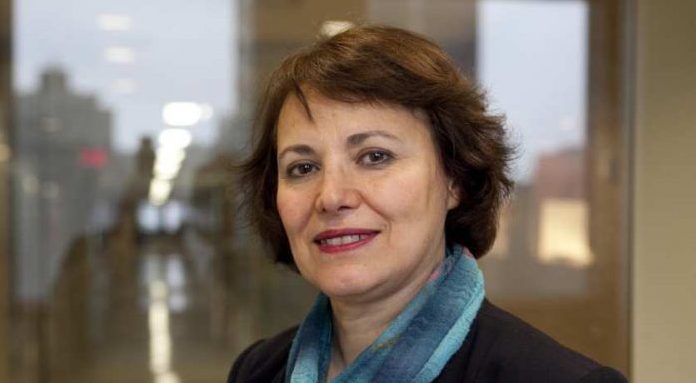
In the case of Montreal-based university professor, Homa Hoodfar is being held in an Iranian jail and being investigated for “dabbling in feminism and security matters,” according to her family, while in the case of Nazanin Zaghari-Ratcliffe, a British woman arrested by regime authorities, who claimed she was being held in solitary confinement for three months because she helped to “design a website.”

If the Iranian regime is afraid of women like these, its days in power are surely numbered.

By Michael Tomlinson

Filed Under: Blog, News Tagged With: Featured, Iran, Iran deal, Iran Human rights, Iran Lobby, Iran sanctions, Iran Terrorism, IRGC, Khamenei, National Iranian American Council, NIAC, Tyler Cullis

Iran Lobby Tries to Pivot to Immigration to Hide Abuses

June 27, 2016 by admin


Iran Lobby Tries to Pivot to Immigration to Hide Abuses

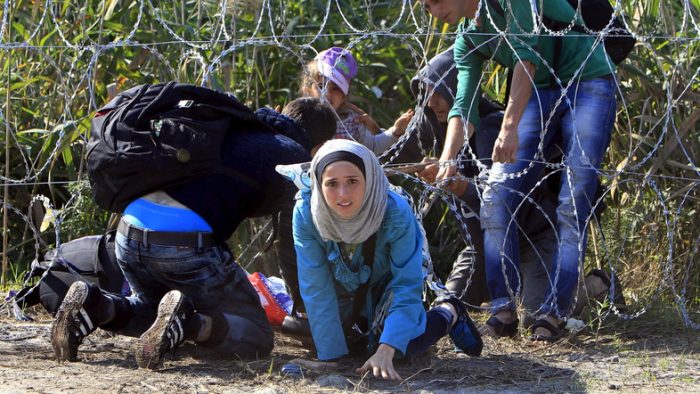
A Syrian migrant family enters Hungary at the border with Serbia near Roszke, Hungary August 28, 2015. REUTERS/Bernadett Szabo

Political events in Europe and the U.S. have pushed immigration issues to the forefront of talk shows and government agendas, but many of the most pressing immigration have their roots not in an escape from economic poverty, but rather the specter of terrorism and war, especially as a result of the Iranian regime’s involvement in the three largest wars going on right now in Syria, Iraq and Yemen.

It was not an accident that in the wake of World Refugee Day, there was broad acknowledgement that the source of most of the world’s refugee problem comes from the instability sweeping across the Middle East.

While the political discussion of immigration in the U.S. presidential election and the controversial Brexit vote has revolved around the impact mass immigration is posing to countries, the real underlying discussion is only now starting to focus on the roots causes of these mass movements of people fleeing violence in their own lands.

Also, in the wake of numerous terrorist attacks ranging from San Bernardino, California to Sydney, Australia and Paris, France to Ottawa, Canada, the infectious and noxious influence of spreading Islamic extremism is being felt; much of it flowing from the mullahs in Tehran and through their agents in the Revolutionary Guards and Quds Forces who organize, recruit, train, arm and fund extremists.

Predictably though, the Iran lobby has sought to capitalize on the immigration debate by focusing the discussion not on the root causes of these mass displacements. It’s a necessary gambit and typical of the Iran lobby to deflect attention from the real core issue of bloody sectarian conflict fueled by the mullahs.

The National Iranian American Council took the lead with several editorials and statements it has issued attempting to blame everyone else but the Iranian regime for the misery being inflicted on the millions of refugees fleeing these conflict zones.

Sarah Sakha offered up the idea on NIAC’s website that Americans opposed any bans on Muslims and refugees based on a Brookings Institute poll, but failed to address the core concern these same Americans have which is how to stop the spread of Islamic-inspired terrorism washing across the U.S. through Boston, Fort Hood, Chattanooga, San Bernardino and now Orlando.

She also fails to discuss the increase in terrorism and the harshness of the treatment of men, women and children in Iran by the regime is disingenuous and ignores the root causes of these problems. Likewise it lays bare how transparent the Iran lobby is in defending the regime from any criticism of its policies.

Similarly, the NIAC gave space to cover a recent meeting by the Atlantic Council and Iran Project with national security staffer Ben Rhodes who was famously revealed to have crafted the “echo chamber” supporting the Iran nuclear deal on a foundation of lies. The symposium was designed to defend the faltering nuclear deal from blistering criticism that it has failed to moderate Iran and instead has led to the great instability and bloodshed we see now.

Rhodes even used the examples of the openings made to Cuba and Burma as templates for why Iran should be treated in of those countries agreed to renounce terrorism h of those countries agreed to renounce terrorism and in Burma’s case actually held free elections that installed long-time dissidents in control of the government for the first time.

The Iran regime has done none of those things.

The NIAC even took on the recently unveiled the House Republican’s policy paper listing its priorities in the upcoming election including the re-imposition of sanctions on Iran for continued violations of human rights and sponsorship of terrorism, as well as its deliberate efforts to violate the nuclear agreement with ballistic missile tests and the clandestine sanitizing of sites of any evidence of prior testing of nuclear materials.

Ironically, while the NIAC attacks the idea that imposing new sanctions for continued human rights violations, it never denies that severe human rights violations are taking place in Iran. Instead, it attributes the suffering and misery being inflicted on the Iranian people with mass arrests and executions not to the actions of the mullahs, but rather the lack of U.S. currency flowing to the regime as a result of the nuclear deal.

It is the height of stupidity to equate torture in Iran to a lack of cash.

That seems to be the mantra being repeated most often by the Iran lobby these days as it pushes to get cash into the hands of the regime as quickly as possible, but not for the benefit of ordinary Iranians it seems as the regime is being rocked by protests over disclosures that high-ranking executives at state-owned businesses are being paid obscene salaries while Iranians are being exhorted by the mullahs to continue a “resistance economy” of deprivation.

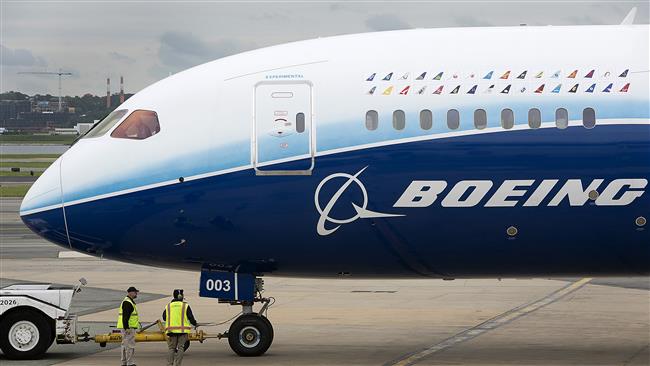
The Daily Beast also disclosed that a former Clinton administration official has been on the payroll of Boeing as it strived to close a deal with Iran to sell $25 billion worth of commercial airliners.

Thomas Pickering, one of the country’s most famous diplomats and a former ambassador to Israel and the United Nations, has been quietly taking money from Boeing while vocally supporting the Iran nuclear deal—testifying before Congress, writing letters to high-level officials, and penning op-eds for outlets like The Washington Post.

Pickering confirmed via email—from his Boeing corporate email address—that he was on staff at the company from 2001 to 2006 and has been a paid consultant for them ever since.

Neil Gordon—an investigator for the Project on Government Oversight, a Washington watchdog organization—said Pickering should have been upfront about his work for Boeing when testifying before Congress on the Iran nuclear deal and making the case for it in op-eds for major publications.

“In Pickering’s case, he has a direct connection to Boeing, which I think should be disclosed,” he said.

Over the past few years, Pickering has been one of the most vocal and visible advocates for the nuclear agreement with Iran. On June 19, 2014, he testified before the House Armed Services Committee about his views on the need for a comprehensive agreement with Iran. He did not mention Boeing in the disclosure form he provided to the committee prior to his testimony. Boeing also isn’t mentioned in his bio that the House kept on file.

The lack of disclosure of his work in support of the nuclear deal and his participation in Rhodes’ “echo chamber” is disturbing and shows the complicated and extraordinary efforts made by the Iran lobby to secure the nuclear deal for Iran.

Most disturbing, his bio on the NIAC website where he serves as an advisory board member, notes that he worked at Boeing until 2006 but does not note that he still consults for the company. Same for his bio at the anti-nuclear weapon group Global Zero. His bio at The Iran Project doesn’t mention Boeing at all.

The lack of disclosure and his active work with leading members of the Iran lobby while also collecting fees from Boeing which the Obama administration is doing all it can to facilitate business with the regime raises alarm bells everywhere of conflicts of interest and outright deception.

Trita Parsi of the NIAC also using the same scape goat, blamed the suffering of Iranians on the lack of business deals with Iran following the nuclear deal.

“If the Iranians end up de facto not getting sanctions relief, the deal will collapse,” he said. “That’s right now the biggest threat to the sustainability of the deal.”

He is right, but the threat isn’t coming from foreign companies, but rather the mullahs themselves as they pursue policies turning most of Europe into a massive refugee center.

By Michael Tomblinson

Filed Under: Blog, Current Trend, News Tagged With: #NuclearDeal, Ben Rhodes, Featured, Iran, Iran deal, Iran Human rights, Iran Lobby, Iran sanctions, National Iranian American Council, NIAC, Sarah Sakha, Thomas Pickering, Trita Parsi

Rush to do Business with Iranian Regime Carries High Cost

June 16, 2016 by admin

Rush to do Business with Iranian Regime Carries High Cost

Rush to do Business with Iranian Regime Carries High Cost

Since the Iranian nuclear accord was brokered last April, the Iran lobby has been breathlessly pushing the idea of the doors to Iran being thrown open to commerce empowering the moderates in the government to a position of strength.

Hassan Rouhani quickly embarked on a European tour to enhance that perception and announce several high profile deals with European companies in a carefully orchestrated show of economic success and many companies have followed that message with dreams of riches to be made in the Iranian marketplace.

The reality has not lived up to the hype though. Even though the nuclear deal lifted sanctions related to Iran’s nuclear program, it did not touch sanctions imposed on Iran related to violations of human rights or its sponsorship and support for terrorism, including groups such as Hezbollah.

The disconnect has thrown the proverbial monkey wrench into the regime’s plans to quickly profit off the nuclear deal. In their haste to secure a nuclear agreement, the mullahs in Tehran pressed for a deal that was not linked to any issue other than the nuclear infrastructure itself. The regime did not want to face scrutiny over its human rights record and the growth of terrorism it sponsored.

The Iran lobby, including leading advocates such as the National Iranian American Council and Ploughshares Fund, was happy to oblige in pushing that narrative. The inconvenient truth for them though was that even though they got a nuclear deal, Iran was still restricted from accessing U.S. currency exchanges which crippled its ability to conduct international business since virtually all European, U.S. and Asian financial institutions resisted handling transactions for the regime out of fear of being sanctioned later for enabling terrorism.

The issue has become such an obstacle, the regime has taken the unusual step of attempting to set an offshore bank on a small island Iran controls in the Persian Gulf in an effort to skate around the financial sanctions.

This is why most of the business deals announced by the regime with foreign companies involve investments in the regime, but sales outside of it and even then most companies are approaching this process cautiously since Iran is a notoriously corrupt government and economy, ranking in the top ten in most transparency indexes.

The mullahs realize their perceived windfall could evaporate just as quickly as the sharp rise in Islamic extremist attacks in Paris, Orlando, San Bernardino and other cities around the world have made world capitals skittish about appearing to funnel cash to countries that support terrorism. Add to that the backdrop of a highly contentious U.S. presidential election in which both leading candidates in Hillary Clinton and Donald Trump have talked tough about radical Islam and its spread from Iran, then the outlook for the mullahs in Tehran appears even bleaker.

All of which makes the rush to announce a preliminary deal by the Iranian regime to purchase passenger aircraft from U.S. manufacturer Boeing all the more perplexing. Could it be the Iranian regime is worried Congress would intervene to block the sale in the wake of the Orlando mass killings and needed to jump the gun so to speak?

Details of the agreement were left vague, but Western and Middle East sources said that once approved, it would involve flag carrier Iranair acquiring more than 100 Boeing jets, both directly from Boeing and from leasing companies, according to Reuters.

“In coming days details of the deal with this company will be announced,” Roads and Urban Development Minister Abbas Akhoundi said, according to the semi-official Mehr news agency.

The sources said the agreement was so far only a broad outline of what a formal deal would look like once Boeing has the necessary U.S. government approvals to sell planes to Iran, which has been banned from buying U.S. jets for almost 40 years.

The concern over the sale to Iran not includes potential technology transfers to the regime, but the potential for the regime to use these commercial aircraft for military or illicit purposes as in previous cases in which state airliners have been used to ferry troops and weapons to Syria as part of the civil war effort there.

Rep. Peter Roskam (R., Ill.), who has criticized Boeing and others for pursuing business with Iran, told the Washington Free Beacon that Congress could take action to stop the sale.

“We’ve heard reports of a pending deal between an iconic American company and terrorism’s central bank,” Roskam said. “To say we have national security concerns would be an understatement. Boeing and the Islamic Republic should know the U.S. Congress will not look favorably upon any deal that jeopardizes the safety and security of the American people.”

Several GOP lawmakers recently summoned the heads of Boeing and French air manufacturer Airbus for a meeting about their dealings with Iran.

Three House members from Washington state, a major base for Boeing operations, wrote to the company in May to request a meeting.

“We write to express our serious concerns over the sale of airplanes, parts, and other aircraft-related services to the Islamic Republic of Iran,” wrote Republican Reps. Cathy McMorris Rodgers, the GOP conference chair, Dave Reichert, chair of the House committee that regulates trade, and Dan Newhouse.

Predictably, Trita Parsi of the NIAC hailed the Boeing deal and ignored the past use of Iranian commercial airliners for illicit purposes.

“The Iranian-American community not only has had to fear for the safety of loved ones flying in Iran, but has also flown on many of the outdated craft when visiting friends and family in the country,” Parsi said.

It’s notable that the most significant threat to Iranian-Americans traveling to Iran is not the safety of their aircraft, but rather the high probability they would be arrested and imprisoned without charge or trial or explanation by the regime as it has already done to a large number of dual citizen Iranians, such as Americans Jason Rezaian, Saeed Abedini and Amir Hekmati.

By Michael Tomlinson

Filed Under: Blog, News Tagged With: Featured, Iran, Iran deal, Iran Lobby, Iran sanctions, NIAC, Trita Parsi

Iran Regime Pushes Human Rights to Absurd Levels

June 10, 2016 by admin

Iran Regime Pushes Human Rights to Absurd Levels

Iran Regime Pushes Human Rights to Absurd Levels

The Iranian regime’s human rights abuses are well documented by a whole host of organizations and governments. Amnesty International regularly lists Iran as one of its worst offenders and catalogs the list of executions, arrests, sham trials and accounts of torture with mind-numbing repetition.

The United Nations has also documented the long abuses perpetrated by the mullahs in Tehran to the extent it appointed a special rapporteur for human rights just for Iran. That appointee, Ahmed Shaheed, has released extensive reports detailing those abuses ranging from public executions of juveniles to summary trials without legal representation.

The persecution of religious minorities has been an especially problematic area of concern for Shaheed who has spoken out aggressively on the plight of those of the Baha’i religious minority in Iran.

A statement issued on June 8 by the United Nations Commission on Human Rights accused the Iranian regime’s religious, judicial, and political authorities of making “verbal attacks” that show “extreme intolerance” toward the Baha’i community and that “could encourage discrimination and possibly acts of violence against the group by others.”

Shaheed, said there was an “ongoing and systematic persecution” of Baha’is by the Iranian government that violates the country’s international legal obligations.

The UN says there are currently at least 72 Baha’is in Iranian prisons “solely because of their religious beliefs and practices.”

Heiner Bieelfeldt, the UN special rapporteur on freedom of religion, said that “increasingly hostile rhetoric” now puts Iran’s Baha’i community at “a very dangerous precipice where its very existence may be threatened.”

Various nations such as the U.S. State Department and the European Union have regularly issued annual reports citing these abuses and levied economic sanctions to punish the Iranian regime for the worst of them.

For the Iran lobby, it has been a full time job defending the regime and trying to divert attention away whenever these reports and condemnations come out. Groups such as the National Iranian American Council make every effort to divert attention away from human rights abuses because it knows it has no defense, no argument that can obscure the horrific details of the atrocities committed on innocent Iranians.

But the extent of Iran’s human rights violations extend beyond the gross abuses that capture headlines and reach out into less sinister, but more effective ways of keeping a restive population in check and silencing its critics.

One of the chief tools the regime relies on is not making any distinction for Iranians holding passports of foreign countries. For the mullahs in Tehran, once an Iranian, always an Iranian, even if you are a citizen of the U.S., Canada or Brazil, which allows them to arrest any Iranian they wish.

It’s the extralegal tool the Iranian regime has used to pluck anyone it finds critical of the regime’s policies or a threat to the rule of the mullahs. It has been used to arrest and imprison people such as Jason Rezaian of the Washington Post and most recently a 65-year old Canadian university professor.

Homa Hoodfar was arrested Monday after being interrogated by authorities, according to a statement published by her family.

Her relatives say the Concordia University professor was in Iran conducting research. She was initially arrested in March, shortly before she was scheduled to leave the country, her family says, and was prohibited from leaving.

Her passport, research documents, computer and other personal belongings were confiscated by the state, the statement said. Hoodfar was then rearrested this week and placed in the notorious Evin prison without benefit of legal counsel.

“The authorities have not made clear whether Prof. Hoodfar is being charged with espionage, sedition or propaganda against the state,” her family said.

The Iranian regime has also used generic violations of law such as “spreading propaganda” to arrest anyone ranging from rappers and bloggers to journalists to students.

For example, two musicians and a film-maker have begun three-year jail sentences in Iran for the online distribution of underground music.

The three men, who have been described by Amnesty International as prisoners of conscience, were summoned to serve their sentences last week after an appeals court upheld their conviction.

A three-minute trial in 2015 found brothers Mehdi and Hossein Rajabian, 26 and 31, and their friend Yousef Emadi, 35, guilty of “insulting Islamic sanctities”, “spreading propaganda against the system” and “illegal audio-visual activities” for the distribution of music unlicensed by the cultural ministry.

They did not have access to lawyers during the trial, activists said.

The mullahs in Iran don’t miss an opportunity to push the boundaries of what acceptable behavior is according to them, even go to the absurd length of banning a popular Iranian soccer player for six months for wearing yellow “SpongeBob pants” based on the cartoon character in photos on social media.

The images show Sosha Makani, a former goalkeeper for Iran’s Persepolis Football Club, wearing a blue shirt and tight yellow dotted trousers that Iranian media described as resembling the SpongeBob SquarePants cartoon character.

The Iranian football federation’s morality committee cited Makani’s clothing as “inappropriate” and the cause for his suspension. However, the decision isn’t final, and Makani can appeal through an Appeals Committee.

The fact that Iran has a “morality” committee for sports demonstrates just how far afield the regime is and how it will never bend as long as the mullahs are in charge.

By Michael Tomlinson


Filed Under: Blog, News Tagged With: Featured, Iran, Iran Human rights, Iran Lobby, National Iranian American Council, NIAC

Why the Iran Lobby Avoids Discussing Human Rights and Terrorism

June 8, 2016 by admin

Why the Iran Lobby Avoids Discussing Human Rights and Terrorism

Why the Iran Lobby Avoids Discussing Human Rights and Terrorism

In a world where it is common place knowledge that the Iranian regime is a state sponsor of terrorism, with a long and bloody history, it always seems that the Iran lobby operates in a different plane of existence.

For regime supporters such as Trita Parsi of the National Iranian American Council and Joseph Cirincione of the Ploughshares Fund, issues such as human rights violations and terrorism are less than inconvenient truths about Iran; they are things never meant to be spoken of in public or on social media.

The Iran lobby consistently seems to operate on the premise that if you never mention either of these topics, then they must not be real.

This is obvious by simply perusing the blogs and social media feeds for these Iran support groups periodically. Reading them within the context of what is happening in real time in the Middle East and Iran provides a surreal view that is totally disconnected from reality.

It’s also pretty darn funny to read.

Take for example Trita Parsi’s Twitter feed (@tparsi) which can’t help but be viewed as comedy material or pure ignorance. More likely it resonates as part of the famed “echo chamber” that national security staffer Ben Rhodes boasted about in a recent New York Times Magazine article.

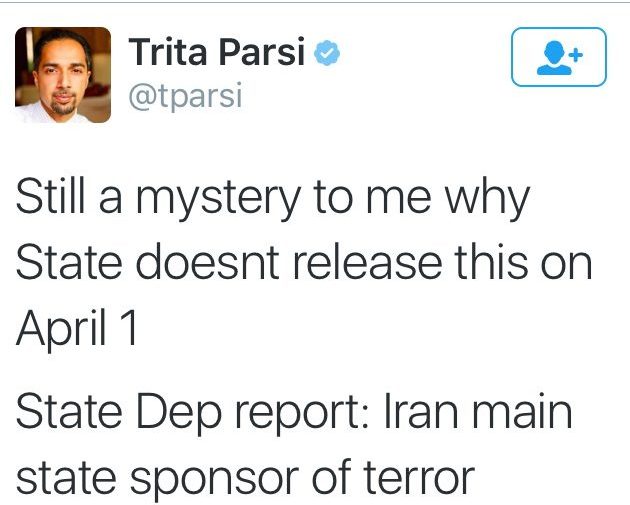
Take for example this nugget in which Parsi derides the U.S. State Department’s annual terrorism report in which it identifies Iran as a leading state sponsor of terrorism:

“Still a mystery to me why State doesnt release this on April 1,” he tweets, implying that the report is a joke better left for an April Fools prank.

Unfortunately for Parsi and the rest of the Iran lobby, mockery and ridicule can’t hide the facts laid out in the report in which the State Department spells out the Iranian regime’s longstanding support for Hezbollah, a key cog in the regime’s long-running involvement in the Syrian civil war, and its support for Shiite militias in Iraq that have roamed throughout Sunni areas as death squads and Houthi rebels in Yemen that have displaced nearly half of the country’s population as part of a civil war.

Parsi’s Twitter feed is absent any mentions of those Iran-backed wars and the role the mullahs and the regime’s Quds Forces and Revolutionary Guard Corps play in them. He does make mention of the plight of Syrian refugees fleeing the war and the high price they pay in trying to cross the Mediterranean, but never urges Iran to seek a peaceful resolution of the conflict or even open its borders to those refugees it is forcing out.

Parsi does however spend considerable social media time attacking Saudi Arabia, the Iranian regime’s biggest rival, accusing it of “terrorism” and acts more readily identified with the mullahs in Tehran.

He even goes to the absurd level of defending top mullah Ali Khamenei’s incendiary speech over the weekend in which he denounced the U.S. and called Great Britain “evil” and blamed his country’s continued economic woes on existing U.S. sanctions on Iran’s access to U.S. currency markets tied to human rights violations and not the nuclear deal from last year.

“Khamenei said today what Iran’s been signaling the US for a while: Anti-ISIS cooperation on hold due to sanctions relief problems,” Parsi tweets.

The implication Parsi tries to make is that continued sanctions against Iran for the mass executions of over 2,500 Iranian men, women and children, as well as its sponsorship of three major wars is somehow halting the war against ISIS.

He conveniently ignores the bulk of Khamenei speech which is filled with vitriol and hate and the usual threats to wipe Iran’s enemies off the face of the Earth.

The more appropriate evaluation to make of Parsi social media postings and those his colleagues at NIAC is that they spend more time posting about Donald Trump than they do about the misery being suffered by Iranians at the hands of their own government.

They spend more time posting about the Cannes Film Festival than they do about the threats being made by the creation of a new morality police force designed to enforce strict Islamic codes against Iranian women.

They spend more time discussing the plight of Siamak Namazi, an Iranian-American arrested and imprisoned in Iran who is a long-time supporter of the NIAC, than the thousands of Iranian dissidents, journalists, artists, bloggers and activists that were rounded up, imprisoned and tortured leading up to parliamentary elections.

The priorities of the Iran lobby are always on display to anyone who wishes to scan through the social feeds of supporters such as Parsi. What is telling is what is NOT in those feeds, such as any criticism of the mullahs, any calls for a Syrian cease fire, any demands for a release of all Iranian journalists or dissidents, any urging for the end of the barbaric practice of public hangings of prisoners, or any hopes for a cessation of the practice of beating women who do not wear hijabs.

Parsi and his cohorts do not do any of these things because they are – above all else – committed to supporting the Iranian regime and keeping it safe from any threats.

By Michael Tomlinson

Filed Under: Blog, Current Trend, News Tagged With: Featured, Iran, Iran Human rights, Iran Lobby, National Iranian American Council, NIAC, NIAC Action, Reza Marashi, Ryan Costello, Trita Parsi

While Iran Maintains Hostility, Iran Lobby Stays Silent

June 6, 2016 by admin

While Iran Maintains Hostility, Iran Lobby Stays Silent

While Iran Maintains Hostility, Iran Lobby Stays Silent

Iran’s top mullah, Ali Khamenei, used his weekly appearance on state-run television to renew his hostility to the West and reinforce the commitment by the regime to pursuing policies that advance its own agenda of expanding the regime’s influence and control over the Middle East.

The statement by Khamenei, made in a nationally televised speech, was the latest in a series of signals that the regime’s senior leadership was not likely to allow any easing of hostility toward what he called “many small and big enemies”, referring to the U.S. and the West.

While much of the vitriol he directed at the U.S. and its allies is historically the same as he usually trowels out in these speeches, it is noteworthy to read media reports on the growing dissatisfaction within the regime about the inability to generate the significant economic benefits from the nuclear deal reached last year.

Much of that inability is attributed to the inept management of the Iranian economy by the mullahs in which corruptions runs deep and wide throughout a system rigged to benefit the ruling elites and the Revolutionary Guard Corps.

Some of that also is attributed to U.S. sanctions still in place not related to the nuclear deal, but linked to the regime’s historic support for terrorism and abysmal human rights record which prevents Iran from having access to U.S. currency markets and exchanges. These restrictions have stymied efforts by the regime to broaden its foreign trade, especially with European Union and Asian financial institutions reluctant to run afoul of any future U.S. sanctions.

Predictably the mullahs in Tehran and their allies in the Iran lobby have decried these sanctions and accuse the U.S. of trying to sabotage the nuclear deal, which is an absurd argument to make since the Obama administration has done virtually everything in its power to accommodate the Iranian regime including leading Americans astray with false arguments in support of the deal to doctoring official State Department video to cover up references to the early start of negotiations with hardliners in Tehran.

“They use human rights, terrorism … as pretexts to avoid fulfilling their commitments,” Khamenei said.

“If we remain strong and united and revolutionary, those who are trying to bully Iran and are against us will not succeed,” he told a gathering to commemorate the anniversary of the death of the founder of the Velayat-e-Faqih (The mullah’s supreme leader), Rouhollah Khomeini, in 1989.

Khamenei referred to Iran’s “important” role in the Middle East’s political direction, stating that Iran is the only obstacle preventing the triumph of Washington’s strategy for the volatile Middle East region.

They were planning for a “new Middle East”, a “greater Middle East”, several years ago, but their plans for Iraq, Syria, Lebanon and the Palestinian territories, have failed due to Iran’s defiance, Khamenei said.

Khamenei’s comments point out the regime’s expansionist policies to create an arc of Shia influence stretching from the Mediterranean to the Indian Ocean and have used terrorist proxies such as Hezbollah, armed militias in Iraq and rebel groups such as the Houthis in Yemen in blatant military efforts to topple governments, expel undesirables such as Christians and Sunni Muslims, and persecute dissidents.

The map of the Middle East is basically a human rights wasteland unlike anything the world has seen since the heyday of terrorism and Cold War in the 1970s, that in the absence of a firm policy towards the mullahs in Tehran, the mullahs have been eager to exploit and take advantage of.

The determination of the Iranian regime to push past the boundaries of the nuclear deal and make it a shambles was again on display as the Iranian regime announced the launch of an offshore bank on one of its Gulf islands according to a report by the regime’s IRNA news agency, as it continues to seek ways around restrictions on international payments.

The bank will be set up on Kish Island, which has been developed as a tourism destination and a free trade zone over the past few decades. The aim is to tap into rising demand for cross-border banking transactions, according to comments by Ali Jirofti, deputy head of the Kish Free Zone Organization. He told IRNA on June 5 that the new, unnamed offshore bank will be able to transfer money and facilitate domestic and foreign investment activities.

The establishment of such an offshore facility would make a mockery of sanctions on Iran for human rights and terrorism violations and if allowed, it would prove devastating in efforts to hold the regime accountable for its appalling human rights record.

Meanwhile, the U.S. State Department released its annual report on terrorism and again listed the Iranian regime as a chief sponsor of terrorism worldwide.

Predictably the regime rejected the damning report.

As in many previous years, the report identified Iran as the world’s “foremost state sponsor of terrorism in 2015” through its financing, training and equipping of various armed groups, notably Lebanon’s Hezbollah, as well as the government of Syrian President Bashar Assad.

The report said that despite reaching a landmark agreement with world powers on its nuclear program, Iran continued to use the Quds Force of its Revolutionary Guard to create instability throughout the Middle East.

In addition to arming Hezbollah and the Assad government, Iran also provided weapons and other assistance to militants in Bahrain and remained active in supporting groups such as Hamas, the report said.

The report is an annual rite of summer now to point a bloody finger at the mullahs. It is a reminder never to allow wiggle room to the mullahs and reinforce the efforts of Iranian dissident groups and human rights organizations working for freedom in Iran.

By Michael Tomlinson

Filed Under: Blog, News Tagged With: Featured, Iran, Iran Human rights, Iran sanctions, National Iranian American Council, NIAC

Why Iran Role in Syria Should be a Warning for Iraq

June 3, 2016 by admin

Why Iran Role in Syria Should be a Warning for Iraq

Why Iran Role in Syria Should be a Warning for Iraq

The Syrian civil war could have turned out much differently. With the advent of Arab spring democracy protests sweeping through the region in 2011, Syria was rocked by nationwide protests against the regime of Bashar al-Assad, which responded with violent crackdowns spawning armed conflict.

It quickly degenerated into sectarian conflict as Assad’s Alawite-dominated government forces joined with other Shia groups to fight against predominantly Sunni-led rebel groups. Those groups included non-sectarian groups backed by the West that gained significant wins against the Assad regime, threatening his rule.

In response, the mullahs in Tehran directed their Hezbollah terrorist proxy to join the fighting in 2013 in an effort to save Assad, who was a crucial ally to the Iranian regime. Coupled with indiscriminate bombings on civilians by the Assad regime with barrel bombs and the wholesale destruction of villages, the war quickly escalated into a humanitarian disaster and laid the ground for the birth of radicalized extremist groups such as ISIS which broke away from Al-Qaeda elements that had originally been given sanctuary in Iran after being forced out of Afghanistan by the U.S.-led invasion.

By September 2015, Iran entreated Russia to enter the conflict to rescue the Assad regime after Iranian-led forces faced defeat on the battlefield and losses mounted. The situation grew so dire for the mullahs that they forced the enlistment of thousands of Afghan refugees living in Iran to join the fight as mercenaries.

During this escalation, the Iran lobby led a PR campaign to hide the truth of the Iranian regime’s involvement and attempted to distance it from the nuclear agreement being negotiated at the same time. It was crucial for the Iran lobby to keep the issues separate even though the evidence was mounting of how deep the Iranian regime’s involvement in Syria.

At the same time, the Iranian regime increased its efforts in Yemen and Iraq. First by stirring up the Houthis and arming them and inciting them to rebellion aimed squarely at Saudi Arabia’s doorstep in an effort to distract the kingdom from confronting Iran’s expansionist aims in Syria and Iraq.

But it is in Iraq where the battle is shifting as Iran applies lessons learned in Syria to mounting a new effort to exert greater control over Iraq.

Iran has fought to maintain control in Iraq. During the administration of former prime minister Nouri al-Maliki, the mullahs in Tehran forced out Sunni partners and split the Iraqi government in an effort to gain absolute control, which backfired when ISIS attacked from Syria and took over Mosul and much of northern Iraq. The push into Iraq threatened Iran and the Maliki government fell as the debacle caused consternation among Iraqis with ire aimed directly at Iran.

Now Iranian regime is attempting to manipulate and control the battlefield in Iraq, much in the same way it tried to control what was happening in Syria. Iraq’s abrupt departure from the war against the Islamic State group, which its priority was above all else the liberation of Iraq’s second-largest city, Mosul, shows the influence of Iranian regime at work. Iran has reportedly been pressuring Iraqi government for weeks, if not months, to prioritize Fallujah.

Tehran has more influence on Iraq’s focus, whether on Fallujah or anywhere else, than Moscow, Washington and Ankara combined, says a former U.S. combat commander with extensive experience working with Iraq’s senior leaders.

Paul D. Shinkman, senior national security writer for U.S. News, pointed out the threat Iran poses to the future of Iraq as it purposely seeks to create a destabilized situation to better influence the Iraqi government in the absence of a U.S. presence.

Other forces are also at play behind the decision, including influences from Tehran that would like the Shiite majority in Iraq’s government to protect Baghdad from what it sees as the threat posed by the proximity of Sunni extremists, like the Islamic State group, while also solidifying its hold on power, Shinkman writes.

“Iran does not see a government of Iraq that has a Sunni presence in it,” says Scott Mann, who retired as a lieutenant colonel after 18 years as a U.S. Army Special Forces officer with deployments to Iraq and Afghanistan. “This is a way to further divide those ethnicities, between Persians and Arabs, and between Sunni and Shiite, and create a more polarized environment around that conflict.

It’s the same formula Iran pursued in Syria and is attempting to replicate in Iraq by purging the government of any Sunni influence and use sectarian conflict as the excuse to wage war, rather than allow a coalition government of Sunni and Shia work together for the benefit of Iraq.

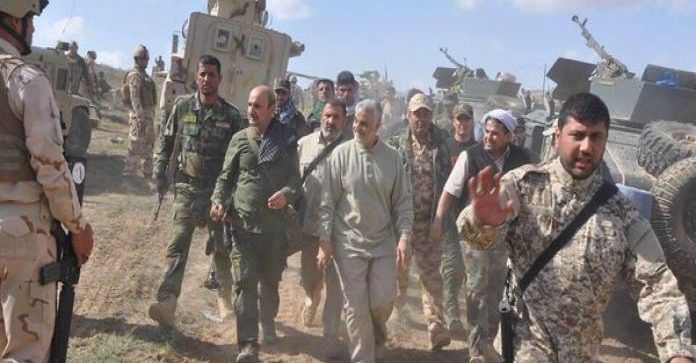
General Qassem Soleimani, commander of the Quds Force, the special operations branch of Iran’s Revolutionary Guards, met with leaders of the Iraqi coalition of Shi’ite militias known as the Popular Mobilization Forces, the most extremist forces in Iraq that have been massacring, burning alive innocent Sunnis in any area they have overtaken in the past few years.

Sunni politicians in Iraq condemned the involvement of Soleimani and other Iranian advisers in the battlefield preparations, saying it could fuel sectarian tension and unleash a new round of Sunni-Shi’ite bloodletting. They also cast doubt on the Iraqi government’s assurances that the offensive is purely an Iraqi-led effort to defeat Islamic State. “Soleimani’s presence is cause for concern,” said an Iraqi member of parliament from Falluja. “He is absolutely not welcome in the area.”

The threat of Iraq turning into an Iranian vassal state has alarmed Arab nations throughout the region and rightly so. What is even more alarming are news reports that Iraqi forces were assisting Iran in the construction of permanent military bases within Iraq’s Kurdistan region.

Last week, Arabic and Turkish media reported that Tehran had launched construction of the largest missile base in the Syrian Coastal Mountain Range in Iraqi Kurdistan, which reportedly aims to protect the religious borders of Iran.

If true, the news would only add to the powder keg Iranian regime is creating and potentially turn the Iraq-Turkey border into another Syria.

The international community needs to re-engage in Iraq and not allow the Iranian regime a free hand. All of which reiterates the fact that Iran mullahs are not part of the solution to any crisis in the region. They are indeed the source of the problem.

By Michael Tomlinson

Filed Under: Blog, News Tagged With: Featured, Iran, Iran Lobby, Iran sanctions, NIAC

Iran Demands Social Media Sites Store Data Only In Iran

June 1, 2016 by admin

Iran Demands Social Media Sites Store Data Only In Iran

Iran Demands Social Media Sites Store Data Only In Iran

The Iranian regime issues ultimatums with the regularity of a cuckoo clock. Whether it’s an indictment of perceived transgressions by human rights groups to blustery pronouncements threatening devastation on its enemies, the mullahs in Tehran are frequently making demands, threats and promises.

The latest demand came this weekend courtesy of the regime’s Supreme Council of Cyberspace, which said:

“Foreign messaging companies active in the country are required to transfer all data and activity linked to Iranian citizens into the country in order to ensure their continued activity,” in new regulations carried by state news agency IRNA on Sunday.

Putting aside the fact that the regime has a group dedicated to cyberspace with a name straight out of bad James Bond villain list, the regime has put a public face to one of the more sinister efforts it pushes in using the internet to track down dissenters, activists and others that oppose the rule of the mullahs.

Iran has some of the strictest controls on internet access in the world and blocks access to social media platforms such as Facebook and Twitter, although many users are able to access them through widely available software; notably the regime’s leadership has free access to those same platforms to push out its propaganda such as social feeds for Hassan Rouhani and even Ali Khamenei.

The council, whose members are selected by Khamenei, gave social media companies a year to comply, IRNA said, adding that the measures were based on the “guidelines and concerns of the supreme leader.”

The new requirements could affect messaging app Telegram in particular. The cloud-based instant messaging service has gained popularity because of its high level of security and is estimated to have about 20 million users in Iran, which has a total population of about 80 million, placing it at the forefront of most of the digital communications taking place among ordinary Iranians the regime cannot spy on.

Iranians have proven adept at using technology to circumvent strict government rules in the past. The Gershad app, launched in February, helps Iranian women track the morality police in large cities, so they can avoid being stopped for dress code violations.

The technology community, especially social media companies based in Silicon Valley such as Facebook and Twitter and in Silicon Beach such as Snapchat, reacted negatively to the mullahs’ demands.

The tech blog TechCrunch noted how the “Iranian government wants to be able to track private and semi-private conversations on messaging apps. Many social networks are already blocked in Iran, but it looks like the government wants even more control.”

But TechCrunch explained the devil was in the details since moving servers to Iran might not be enough, as WhatsApp recently completed its rollout of end-to-end encryption. With end-to-end encryption, WhatsApp can’t even read the content of communications, as they are encrypted, and only WhatsApp users involved in these conversations can decrypt them.

Apple’s iMessage is another example of an encrypted messaging protocol. Apple isn’t able to hand out messages to a government.

Earlier this month Iranian authorities placed eight women under arrest for posting Instagram photos of themselves without a headscarf on as part of a larger crackdown on social media usage that began before the most recent parliamentary elections.

The regime had previously arrested the entire staff of an Iranian tech blog and actively seeks out Iranian citizens posting on social media anything that could be construed as defying the Iranian regime’s extremist rule and authority or posing a threat to the regime leaders.

Even in the face of tough web censorship, Iranians are still using the internet in droves. A government report last year showed that 67.4 per cent of the country’s youth are online, with 19.1 percent claiming that they use messaging apps, and 15.3 per cent on social media. It is also widely believed that Iran’s tech-savvy citizens are utilizing VPNs to access sites blocked by the government.

This poses a significant problem for the regime since news often is smuggled out electronically of the atrocities and human rights abuses within Iran by dissident and human rights activists, including shocking photos and videos of public executions, amputations and other medieval punishments enforced by the regime.

Unsurprisingly, the Iran lobby has remained silent on this issue and the threat to free speech and freedom it poses. For groups such as the National Iranian American Council, whose members such as Trita Parsi, Ryan Costello and Tyler Cullis make ample and aggressive use of social media, the attempt to electronically spy on and muzzle Iranians, including those living in places such as the U.S. with relatives in Iran, have been met with silence.

This move by the Iranian regime only adds to the mountains of evidence proving the mullahs are neither moderate, nor peaceful.

By Laura Carnahan

Filed Under: Blog, News Tagged With: Featured, Iran Human rights, Iran Lobby, National Iranian American Council, NIAC, Reza Marashi, Ryan Costello, Trita Parsi, Tyler Cullis

Iran Regime Continues on Path of Extremism

May 27, 2016 by admin

Iran Regime Continues on Path of Extremism

Iran Regime Continues on Path of Extremism

Recent revelations of the fraudulent nature of the debate about the Iran nuclear deal have forced news media outlets to rethink coverage of the Iranian regime and members of Congress from both sides of the political aisle to crackdown on ever rising acts of extremism coming from Iran.

Conventional wisdom would dictate that once the Iran lobby’s efforts to buy favorable media coverage, push false messages about moderation in Iran and hopeful scenarios of a more stable Middle East, were discovered that the lobby and mullahs in Tehran would retreat to preserve their ill-gotten gains.

Instead, the opposite has happened as the Iranian regime has widened the conflict in neighboring countries, cracked down at dissent at home, and is seeking to forge more military sales to bolster its weakened military.

The regime’s top leader, Ali Khamenei, has spent considerable television time reiterating the policy of opposing the West, warning of infiltration and corruption of its clerical tyranny through American pop culture and social media, and maintained the need to keep up a “resistance economy” to meet the demands for continued proxy wars in Syria, Iraq and Yemen, as major parts of countries resources are spent on these wars.

Khamenei expanded on that militancy by calling for vigilance against what he described as a “soft war” mounted by the West and aimed at weakening the clerical establishment, state television reported on Thursday.

“Our officials and all parts of the establishment should be vigilant about the West’s continued soft war against Iran…the enemies want to weaken the system from inside,” Khamenei said.

In a meeting with members of the Assembly of Experts, with authority to appoint and dismiss the supreme Leader, Khamenei told Iranian officials:

“By impairing centers of powers in Iran, it will be easy to harm the establishment from inside.”

The 88-member assembly, consisting mostly of elderly clerics, is expected to choose any successor to Khamenei, who has the final say on all state matters.

“The only way to materialize the (1979) revolution’s goals is national unity and not to obey the enemy,” he said.

The fact that Khamenei continues to describe the U.S. as the “enemy” demonstrates clearly his views on the relationship between the two countries and undermines the narrative put forward by groups such as the National Iranian American Council of an improvement in relations with Iran.

That desire to continue ruling Iran with an iron fist has led to such a widespread crackdown on human rights that the only avenues of informal protest left to ordinary Iranians are becoming few and far between as the regime deploys new morality police squads and arrests women, journalists, artists, bloggers and pretty much anyone else expressing a divergent opinion.

For example, last Saturday, the Independent reported how a number of women living in Iran chose to cut their hair short and dress as men in a bid to bypass morality police and evade hijabs which are a legal requirement in all public places and strictly enforced, often with public beatings.

But in recent weeks, women have started sharing photos of themselves with their hair short in some images and dressed in clothes more typically associated with men in others, which campaigns against compulsory hijab, in order to move freely in public.

Enforced hijab is just one of a number of laws in Iran which discriminate against women, who need permission from male relatives to study after marrying and leave the country in some cases. Single mothers are left equally disempowered as Iranian law gives all legal rights to the father after children turn seven.

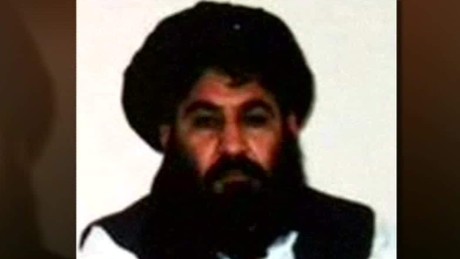
On the foreign policy front, new revelations came out in the wake of the death of mullah Akhtar Mohammad Mansour, the Taliban leader who was recently killed in a U.S. drone strike along the Iran-Afghanistan border, showing he had several trips to Iran as part of efforts to raise funds for the terrorist organization.

Mansour’s death is a major blow to Pakistan and possibly also Iran, which may have forged links with the Taliban to spread extremism in the region, according to Waheed Muzhda, a former Foreign Ministry official in the Taliban regime who is now a political analyst in Kabul.

“Iran may also have been behind the curtain to stab the U.S. in the back using Taliban militants.” Muzhda said.

Although it is Pakistan that has traditionally been condemned for secretly supporting Afghan insurgents, analysts say Iranian regime also provides weapons, cash and sanctuary to the Taliban. Despite the deep ideological antipathy between a hardline Sunni group and cleric-run Shia state the two sides have proved themselves quite willing to cooperate where necessary against mutual enemies and in the pursuit of shared interests.

Mansoor first entered Iran almost two months ago, according to immigration stamps in a Pakistani passport found in a bag near the wreckage of the taxi he was travelling in when he was killed by a US drone strike.

The potential of close coordination between the Taliban and the Iranian regime would offer more proof of the regime’s chief role in supporting virtually all of the major Middle Eastern terrorist groups such as Hezbollah, Houthis, Shiite militias and now the Taliban.

Nonetheless police and intelligence officials in western Afghanistan often complain the local insurgency is being managed and supplied with weapons and training from Iran.

We can only hope more truth emerges from the wreckage of the Iran nuclear deal’s “echo chamber” revelations.

By Michael Tomlinson

Filed Under: Blog, News Tagged With: #NuclearDeal, Featured, Iran, Iran deal, Iran Human rights, Iran Lobby, Khamenei, National Iranian American Council, NIAC

  • « Previous Page
  • 1
  • …
  • 13
  • 14
  • 15
  • 16
  • 17
  • …
  • 26
  • Next Page »

National Iranian-American Council (NIAC)

  • Bogus Memberships
  • Survey
  • Lobbying
  • Iranians for International Cooperation
  • Defamation Lawsuit
  • People’s Mojahedin
  • Trita Parsi Biography
  • Parsi/Namazi Lobbying Plan
  • Parsi Links to Namazi & Iranian Regime
  • Namazi, NIAC Ringleader
  • Collaborating with Iran’s Ambassador

Recent Posts

  • NIAC Trying to Gain Influence On U.S. Congress
  • While Iran Lobby Plays Blame Game Iran Goes Nuclear
  • Iran Lobby Jumps on Detention of Iranian Newscaster
  • Bad News for Iran Swamps Iran Lobby
  • Iran Starts Off Year by Banning Instagram

© Copyright 2026 IranLobby.net · All Rights Reserved.