Iran Lobby

Exposing the Activities of the lobbies and appeasers of the Mullah's Dictatorship ruling Iran

  • Home
  • About
  • Current Trend
  • National Iranian-American Council(NIAC)
    • Bogus Memberships
    • Survey
    • Lobbying
    • Iranians for International Cooperation
    • Defamation Lawsuit
    • People’s Mojahedin
    • Trita Parsi Biography
    • Parsi/Namazi Lobbying Plan
    • Parsi Links to Namazi& Iranian Regime
    • Namazi, NIAC Ringleader
    • Collaborating with Iran’s Ambassador
  • The Appeasers
    • Gary Sick
    • Flynt Leverett & Hillary Mann Leverett
    • Baroness Nicholson
  • Blog
  • Links
  • Media Reports

NIAC Tries to Defend Former Associate in State Department

March 23, 2018 by admin

NIAC Tries to Defend Former Associate in State Department

NIAC Tries to Defend Former Associate in State Department

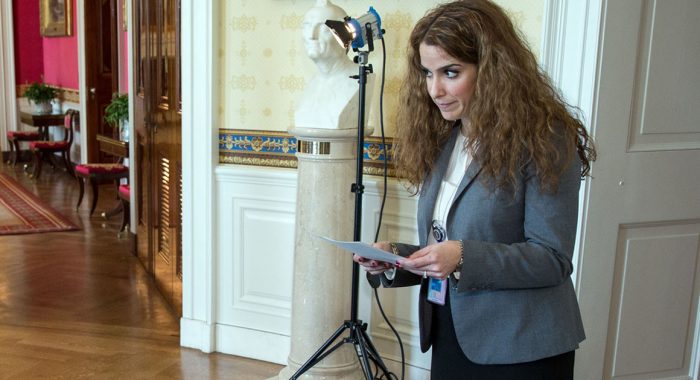
Sahar Nowrouzzadeh, a State Department official who was instrumental in directing policy for completing the much-criticized Iran nuclear deal under the Obama administration, has been reassigned to other duties in the State Department by the Trump administration which has generated a flurry of lobbying activity by the Iran lobby.

The National Iranian American Council organized an effort to denounce the move in a letter sent to White House Chief of Staff John Kelly and acting Secretary of State John Sullivan even though the reassignment was made last April 2017.

The genesis for this new round of false outrage though was a Politico story that discussed email conversations between administration officials calling into question her political loyalty. In essence, the NIAC and its brethren were objecting to that age-old political practice of “cleaning house” when a new party and administration comes to power.

Where was the NIAC’s outrage when the Obama administration led its own purge of Bush-era appointees and installed its own loyalists in key civil service positions at the end of its own term to ensure policies were continued in spite of the new Trump administration’s move in?

To say the NIAC’s outrage is silly is an understatement. Every president reserves the right to pick and choose whomever he likes to serve and carry out his policies. Every president is also entitled to move or reassign any federal employee that does not wish to carry out that administration’s policies.

It is no different for someone like President John F. Kennedy taking over for Dwight D. Eisenhower or Bill Clinton taking over for George H.W. Bush.

But in the twisted logic of the NIAC, it seems even that most basic of presidential prerogatives is off-limits when it comes to keeping a trusted ally in the heart of policy-making when it concerns the Iranian regime.

In the case of Nowrouzzadeh, her involvement in policy towards Iran under the Obama administration has been well-documented.

Born in the U.S. to Iranian parents, Nowrouzzadeh has worked in various government capacities including the Defense Department in 2005 as a foreign affairs analyst and later the State Department in a similar capacity. She later joined the Obama White House in the National Security Council as a director for Iran and part of the team responsible for the Iran nuclear deal.

What raises the suspicions of many though was her prior stint working for NIAC which seems to have been purged from her bios and NIAC’s public records. Why? Obviously, association with the Iran lobby group can be fatal to a career civil servant’s future job prospects and it has been in Nowrouzzadeh’s case.

Also, her key involvement in crafting an agreement that President Trump has openly derided also has proven disadvantageous.

While the reassignment is common in new administrations, the furor is not as the NIAC has chosen to use her as a stalking horse for attacking the Trump administration yet again as ardent Iran-haters and racists.

It is sad to see the NIAC elevate her case and drag her through the public mud in order to score political points over an action that every incoming president undertakes throughout history.

What this does reveal though is NIAC’s willingness to cast any stone in wild attempts to attack the Trump administration in some blind hope of slowing down the freight train of change barreling towards the Iranian regime.

The setbacks for NIAC are numerous and significant:

  • Its attacks on the Saudi government have failed to prevent a historic realignment in the Middle East of nations united against Iran’s regime and containing its expansion;
  • Its efforts to keep alive the Iran nuclear deal are on life support as President Trump has decided to install Mike Pompeo as Secretary of State and former UN ambassador John Bolton as the new National Security Advisor. Both are ardent opponents of the nuclear deal;
  • Its struggle to deny democratic protests sweeping through Iran and bolster the fraudulent regime of Hassan Rouhani have only proven to news media how out of touch NIAC is with current events.

Oddly enough, Nowrouzzadeh could have settled this entire unhappy episode herself by simply advising President Trump’s incoming foreign policy team on the best methods for improving the nuclear agreement she had just worked to implement.

If you want to show your non-partisan, unbiased credentials, then all one has to do is provide the other point of view.

In her case, and because of the effort by NIAC to leverage her reassignment, the sad truth is that policy making in the State Department became highly politicized under the Obama administration, especially towards Iran.

Her reassignment is only the tip of the iceberg since if President Trump is going to finally hold the Iranian regime accountable for its support of terrorism and unbridled human rights failures, he will most likely need to reassign many more Nowrouzzadehs and that is the future that NIAC is terrified of.
 

Filed Under: Blog, Current Trend, News Tagged With: #NuclearDeal, Appeasement policy, Featured, Iran Lobby, National Iranian American Council, NIAC, NIAC Action, Nuclear Deal, Sahar Nowrouzzadeh, Trita Parsi

NIAC Desperately Trying to Save Iran Nuclear Deal

March 7, 2018 by admin

NIAC Desperately Trying to Save Iran Nuclear Deal

NIAC Desperately Trying to Save Iran Nuclear Deal

The much-criticized and ridiculed Iran nuclear deal is on life support and the Iran lobby’s top cheerleader, the National Iranian American Council, is doing cartwheels and midair splits in a desperate bid to save it.

The NIAC has steadily been churning out editorials ever since the Trump administration moved into the White House and the president began threatening to tear up the agreement.

But since his swearing in, President Trump has continued to renew certification of the agreement and kept it as leverage against European allies who were eager to embrace newly opened markets in Iran but gave scant attention to the Iranian regime’s destabilizing efforts throughout the Middle East over the past two years.

The president figured out quickly that summarily ditching the agreement wouldn’t buy the U.S. and its allies anything since the mullahs in Tehran got what they most desperately needed from the Obama administration anyway: cold hard cash, billions of it in sanctions relief.

Now we are seeing some of the fruit coming from his decision to bash the nuclear deal, while at the same time keeping it in play. France has led increasing calls to modify the agreement to address the Trump administration’s chief concerns including Iran’s ballistic missile program, its sponsorship of terrorism and brutal human rights record.

The French have realized that appeasing Iran yielded little of anything in the way of tangible benefits. Syria become a hellhole. Moderating forces in Iran was quickly crushed and Islamic extremist terrorism flourished, even striking France in Paris and Normandy.

Predictably, the NIAC and rest of the Iran lobby has reacted to the potential of modifying the agreement as tantamount to killing it. It’s an odd position to take since it basically assumes Iran will walk away from the deal and immediately restart its nuclear program.

Ryan Costello, the NIAC’s assistant policy director, delivered that very message in an editorial appearing in Defense One, in which he makes the inane argument that ditching the nuclear agreement will allow Iran to turn into another North Korea.

He goes further by comparing the North Korean Agreed Framework and its failure to the potential failure of the Iran deal as a result of U.S. policy decisions not to live up to its end!

“Under the George W. Bush administration, the U.S. shifted from incomplete follow-through to looking for an exit from the agreement. Far from normalization, Bush lumped North Korea into an ‘axis of evil,” Costello writes.

“And former Undersecretary of State for Arms Control John Bolton infamously crowed about evidence of secret North Korean uranium enrichment: ‘This was the hammer I had been looking for to shatter the Agreed Framework.’ Had the Bush administration sought to address the challenge through diplomacy instead of exiting the accord, today North Korea might not be close to fielding nuclear-tipped missiles capable of striking the United States,” he adds.

Costello blames U.S. for policy in saying “just as North Korea felt that they were not getting what they bargained for under the Agreed Framework, faith that the U.S. will uphold its end of the JCPOA has precipitously declined in Iran. The Trump administration is inflicting deliberate harm by violating the accord, and daring Iran to be the one to leave first.”

In this, he is partially correct. The Trump administration surmised that the threat Iran was posing was its expansion of military and terrorist activities through the region. It saw what its Quds Force was capable of inflicting in Syria, Iraq and Yemen. It also understood that the crash program to develop ballistic missiles and place them in Syria and other countries Iran controlled posed an imminent danger to the U.S. and its allies.

Ditching the nuclear deal outright would do little to coerce the Iranian regime back into the fold of negotiations and split the U.S. from the EU, which is why the mere threat of ditching the agreement and laying out the provisions for a follow-on agreement with the Iranian regime has shaped up as the policy prescription on finding support among EU leaders.

President Trump is slowly cobbling together consensus and using the recent mass protests in Iran as a catalyst to convince the rest of the world that Iranian regime remains a theocratic dictatorship no different than North Korea.

In rebuilding that consensus, the administration seeks to reassemble a new sanctions regime that can again bring the Iranian regime back to the bargaining table and force a new agreement.

Of course, the NIAC is screaming bloody murder about the potential scenario, but the proof of its viability is ironically playing out in North Korea where the Trump administration’s harsh and bellicose rhetoric aimed at the Hidden Kingdom, alongside crushing new sanctions have brought North Korea back to the bargaining table.

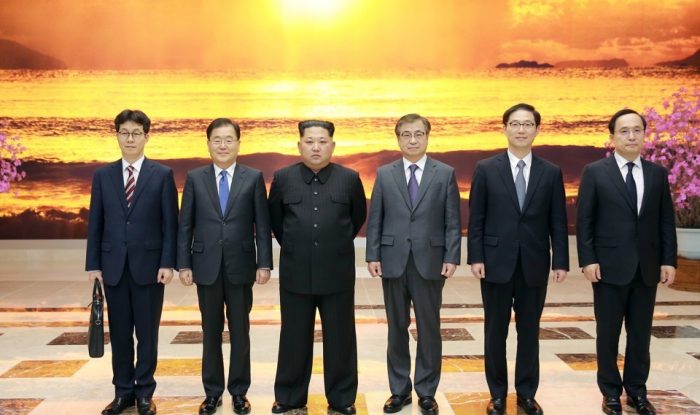
In a historic announcement by South Korea, North Korea’s leader Kim Jong Un indicated a willingness to reopen diplomatic talks with the U.S. and South Korea about denuclearization and normalizing relations, and “made it clear” that it would not resume provocations while engaged in dialogue, the officials said upon returning to Seoul, according to the Washington Post.

Already, many media outlets are grudgingly giving President Trump’s “madman” approach to diplomacy towards North Korea credit for achieving the diplomatic breakthrough.

“He does deserve credit,” said Ian Bremmer, the head of the Eurasia Group and a Trump critic who nonetheless sees some hope in his North Korea strategy. “I think North Korea’s openness in the Olympics and summitry with South Korea, as well as potentially direct talks with the U.S., are the result of Trump’s approach.”

Krishnadev Calamur, a senior editor at The Atlantic, writes that “beyond the potential that Kim is feeling confident, there are several other reasons the North could be making such an offer. It could be that Kim is genuinely keen on dialogue with the United States. U.S. and UN sanctions on the North may have hurt the country economically to the point that Kim feels compelled to negotiate—a similar dynamic that helped bring Iran to nuclear negotiations under Obama. The sanctions might also have hurt the regime’s ability to conduct more missile and nuclear tests, something they did regularly in 2017.”

The dynamic is true but hopefully the outcome will be different since its doubtful President Trump will emulate President Obama’s policies of appeasement when it comes to dealing with North Korea and Iran.

In this way, the NIAC is yet again horribly, completely and satisfyingly wrong.

Laura Carnahan

Filed Under: News Tagged With: #NuclearDeal, Featured, Iran deal, Iran Talks, National Iranian American Council, NIAC, NIAC Action, Ryan Costello

US Pressure on Iran Missile Program Pushing Europe to Act

March 5, 2018 by admin

US Pressure on Iran Missile Program Pushing Europe to Act

US Pressure on Iran Missile Program Pushing Europe to Act

The Trump administration has been applying diplomatic pressure on the Iranian regime over its ballistic missile program and support for terrorism and has consistently raised the specter of invalidating the Iran nuclear deal by certifying the regime as being out of compliance with its provisions.

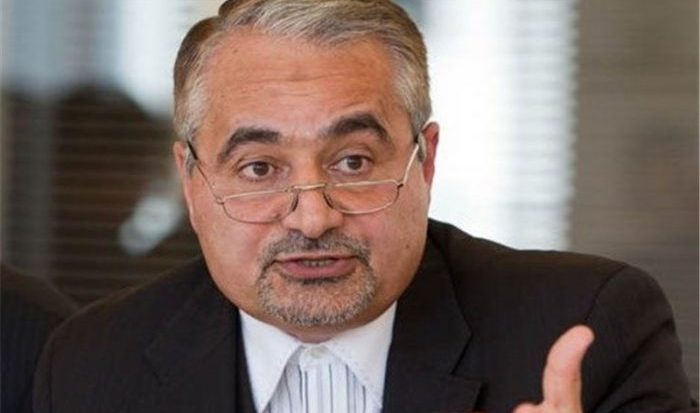
For those efforts, the administration has been roundly and harshly criticized by the Iranian regime’s allies, especially within the Iran lobby by groups such as the National Iranian American Council and individuals such as Seyed Hossein Mousavian, a former regime nuclear official who now masquerade’s as an academic at Princeton University.

The vitriol being thrown at the administration over this new pressure on Iran has only been matched by the depth and breadth of misinformation and fake news being pumped out by the Iran lobby.

What is becoming clear though is that the central issue at the heart of the Trump administration’s complaints—that Iran’s ballistic missile program posed a serious international threat and its support of terrorist groups such as Hezbollah was destabilizing the Middle East—have finally gotten the attention of European leaders and serious traction throughout European capitals.

During the Obama administration’s negotiation of the nuclear deal, little emphasis was placed on Iran’s missile program, nor its abysmal human rights record or support for terrorism. That lack of negotiating prowess essentially left the Iranian regime off the hook and gave it carte blanche to rapidly build its missile program and gain strongholds in Syria, Iraq and Yemen through proxy wars.

Many EU leaders that had lauded the nuclear deal as paving the war towards Iranian moderation have been left in more precarious political situations as nearly four million Syrian refugees flooded into Europe in the greatest refugee crisis since World War II and cities such as Paris, Berlin and Brussels were rocked by terrorist acts inspired by the Islamic extremism espoused by the mullahs in Tehran.

That has forced many of them to make a decision to head off a potential move by the Trump administration to kill the nuclear deal and that is to apply more pressure on the Iranian regime on these issues they once considered unimportant.

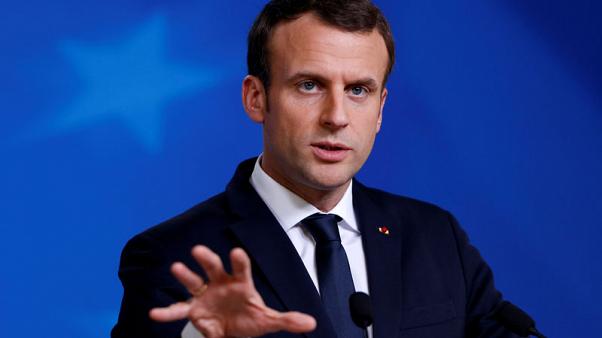
One example has been French president Emmanuel Macron, who has taken a more public and aggressive stance towards Iranian military actions and human rights.

Macron told the Iranian regime’s Hassan Rouhani in a telephone call this weekend of his support for the nuclear accord and his concerns over Iran’s other activities according to the Financial Times.

Jean-Yves Le Drian, French foreign minister, is due to hold further talks in Tehran on Monday as the clock ticks towards a May deadline set by the US president for European countries to “fix” the nuclear agreement.

The EU and the bloc’s three signatories to the deal — France, Germany and Britain — are urgently trying to craft a solution that will placate the Trump administration’s without destroying an accord they argue is working.

Macron also asked for “clear responses” from Iran over “problems” outside the deal relating to its ballistic missile program and its destabilizing role in the region, particularly in Lebanon.

France’s foreign minister, Jean-Yves Le Drian, will visit Tehran this week and call upon the regime to address the West’s misgivings about its ballistic missile program and Middle East military activities, according to Reuters.

The growing threats posed by the Iranian regime are now being scrutinized more openly as evidenced by an editorial in the Wall Street Journal authored by Jose Maria Aznar, former prime minister of Spain, and Stephen Harper, former prime minister of Canada, in which they both urged Europe to act more decisively in containing Iranian expansionism.

“Despite Tehran’s quest for regional control, popular protests in December and January showed that most of the nation’s citizens don’t share their leaders’ designs. The regime’s destabilizing actions have also triggered resistance from Saudi Arabia and other regional powers. Iran’s own citizens and neighbors are convinced of Tehran’s malice, and all concerned nations should heed their warning,” Aznar and Harper wrote.

“Thankfully, the U.S. has demonstrated its ability to rally its Middle Eastern partners in stabilizing the region. Iranian theocracy appeals mainly to a few neighboring Shiite Islamic factions, and Iran’s long-term conflicts with other sects have made many states eager to cooperate in restraining its influence. Numerous allies can be mobilized in the struggle against Iran, from the Kurds and tribal elements to many Sunni Arabs and Shiite forces not co-opted by Tehran. These factions must collaborate to contain Iran’s hegemonic ambitions,” they added.

They go on to warn that “if left unchecked, Iran’s aggression will ultimately threaten Europe and North America as well. All should urgently work together to counter this threat to global security.”

Their warnings should be heeded by the EU since the evidence has been so overwhelmingly against the claims of the Iran lobby and the Iranian regime.

The most serious threat facing the U.S. and in its allies is the high probability that Iran is quickly building permanent military bases in Syria and planning to move ballistic missiles there; placing most of Europe within range and providing almost no warning time for regional rivals Saudi Arabia and Israel any advance warning to detect, let alone shoot down, any Iranian missiles.

President Trump understood the geopolitical ramifications of the Iran nuclear deal better than anyone and now sees its potential certification as battering ram he can use to drive home the point of the threat Iranian regime missiles and its military poses to Europe.

It remains to be seen how many other European nations heed the wake up that French president Macron seems to be trumpeting more urgently now, but we hope they all take action soon.

Michael Tomlinson

Filed Under: Blog, News Tagged With: #NuclearDeal, Appeasement policy, Ballistic Missiles, Featured, Hezbollah, Iran Human rights, Iran Terrorism, Nuclear Deal, Nuclear Iran

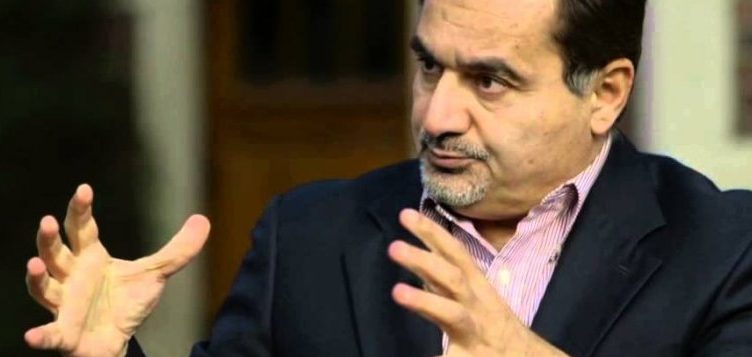
Iran Lobby Pushes Seyed Hossein Mousavian to Forefront

January 25, 2018 by admin

Iran Lobby Pushes Seyed Hossein Mousavian to Forefront

Iran Lobby Pushes Seyed Hossein Mousavian to Forefront

The Iran Lobby must be sweating the protests in Iran and their impact on Trump administration’s views on whether to kill the Iran nuclear deal. In many ways one of the key things holding the Trump administration back from killing the deal outright is how to manage the aftermath with mullahs desperate to hold onto power who may choose bloody violence to instead of diplomacy or giving up their hold on power.

Deciding to kill the nuclear deal is not a knee-jerk reaction, nor should it be done without an end game in place to help manage some sort of peaceful regime change and transition from theological dictatorship to peaceful democracy.

The mullahs have already evidenced their willingness to use brute force and mass murder to hold onto power. They demonstrated it after the disputed 2009 elections and they showed it again this year with the populist movement that grew from deep dissatisfaction among ordinary Iranians over their impoverished state of living.

Now the mullahs are faced with threats on multiple fronts, not the least of which is a new U.S. administration largely skeptical of them and their false promises.

What have the mullahs done?

They’ve put the Iran lobby into overdrive to defend the nuclear deal and throw as much mud as possible at President Donald Trump.

Leading the charge has been Trita Parsi of the National Iranian American Council, but he has been joined by Seyed Hossein Mousavian, a former Iranian regime nuclear official who relocated to a position at Princeton University refashioning himself as a Middle East security expert/

While Parsi has been busy shooting off editorials at a rapid clip, Mousavian joined him in the literary parade with a recent commentary in Reuters.

Like Parsi, Mousavian trots out the usual defense of the nuclear deal as being set on a foundation of the “highest standards on nuclear transparency and inspections ever negotiated,” but there is a yawning chasm between reality and fantasy.

He also echoes almost verbatim Parsi’s key messages on the deal’s terms being only temporary after which Iran would fall under safeguards from the International Atomic Energy Agency.

He of course neglects to mention that the IAEA failed to detect Iran’s clandestine nuclear development program in the first place. Similarly, he fails to mention how the IAEA failed to halt North Korea’s march to nuclearization and that both Iran and North Korea could and did opt to throw inspectors out and disable cameras and monitoring equipment.

What is to stop Iran from doing the same thing now? Harsh language? The reality is nothing.

Mousavian also criticizes the Trump administration’s effort to link Iran’s ballistic missile program to nuclear sanctions as well as question whether or not the mullahs should ever possess the right to develop nuclear technology.

While Mousavian claims Iran has a “sovereign right” to do so, he ignores the broader and more strategic question being raised by President Trump: Why does a violent, religiously-governed dictatorship ever need a nuclear program?

Iran has always claimed its nuclear program is peaceful and designed for energy development, but those claims ring hollow given the economic conditions in Iran and the global energy map in which nuclear power is rapidly becoming obsolete. In the U.S. alone, the nuclear power industry has been decimated by renewable energy sources, the low cost and abundance of natural gas and the conversion of industries to solar and off-peak battery storage have made it irrelevant.

More importantly, the maniacal nature of the mullahs’ governance makes development of nuclear power an idiotic choice for any nation to allow. Mousavian claims peaceful intent but the true intentions of the regime have been clearly demonstrated and that is to develop a militarized nuclear capability so it can dominate its neighbors, especially chief rival Saudi Arabia.

Mousavian grasps at straws when he claims the killing of the nuclear deal will only spread global distrust of the U.S. and make any deal with North Korea impossible.

With all due respect, that is an idiotic statement to make. No one on the planet sincerely believes that North Korea’s meglo-maniacal leader has any intention of real negotiations with the West over his nuclear toy kit.

The Iranian regime has worked diligently to undermine the nuclear deal right from the start by eradicating all traces of its nuclear work at suspected sites before inspection, restricting access by inspectors from any military sites, only allowing collections of soil samples by regime officials and not dismantling centrifuges that refine uranium.

More worrisome, Mousavian never takes up the issue of the Islamic dictatorship itself. It is cruel, barbaric and actively engaged in supporting terrorism and involved in wars and insurgencies in three countries.

If a government acts in a way that is openly hostile to its neighbors and places little value on the lives of its own people—even murdering them on a mass scale for political disobedience—why on earth would we ever allow them to possess a capability to develop a weapon of mass destruction?

The greatest historical lesson parallel to Iran is Nazi Germany. If Hitler’s Germany raced to develop a nuclear capability prior to World War II, we might all be living an episode of the “Man in the High Castle” on Netflix given how the West tried to appease Hitler by giving away Czechoslovakia, Austria and the Sudetenland.

Following the same approach to Iran and its bloodthirsty leaders such as Ali Khamenei is the same kind of lunacy that plunged the world into a global war that lasted six years.

Mousavian clinches the irony trophy when he writes:

“Rather than challenging his predecessor’s legacy Trump should endeavor to use it as a model to bolster multilateral diplomacy and resolve crises in places such as Yemen, Syria, and Afghanistan. Today more than ever, the world needs a balanced and rational White House to promote peace and security rather than to flout international norms.”

Mousavian mentions conflicts that Iran is directly responsible for starting and expanding. It is not the White House that needs to be balanced and rational, but rather it is Tehran that needs to be dragged kicking a screaming into normalcy and peace.

Michael Tomlinson

Filed Under: Blog, Current Trend, News Tagged With: #NuclearDeal, Ballistic Missiles, Featured, Iran, Iran deal, Iran Human rights, Iran Terrorism, Seyed Hossein Mousavian, Trita Parsi

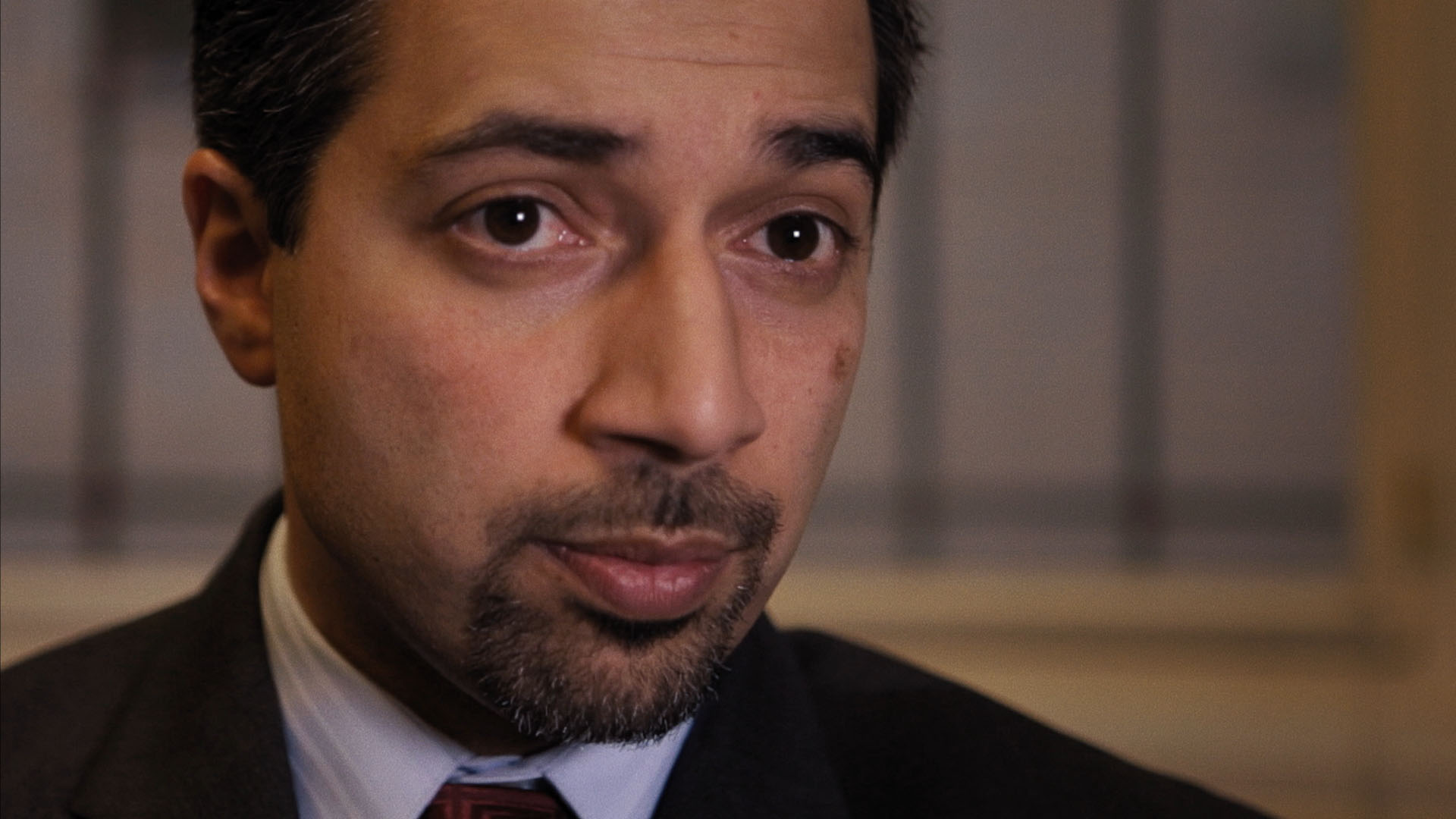
Trita Parsi’s Myths

January 24, 2018 by admin

Five Myths About Trita Parsi

Five Myths About Trita Parsi

Trita Parsi, the head of the National Iranian American Council, has been hard at work pushing the mythology of how the U.S. and President Donald Trump are really aiming for all-out war with the Iranian regime.

His beating of the war drum is nothing new. He’s been doing it ever since the administration of President George W. Bush and while he found a receptive audience during President Barack Obama’s tenure, he’s finding it tough sledding these days.

A prime example of his fake news narrative is in an editorial he wrote in the Washington Post in which he outlines “five myths about Iran.”

It’s notable that he does admit—finally—that the Iranian regime has been demonizing the U.S. for the past four decades with “Great Satan” characterizations and other false claims, but that is just cheap throwaways to help in aiding his perception of being a “moderate” when in fact all he cares about seems to be preserving a badly flawed nuclear deal.

Of course his top myth is about that same nuclear deal. Parsi posits that it’s a myth that the deal only delays the inevitable building of a nuclear weapon by the mullahs.

While Parsi admits that restrictions on advanced centrifuges and other technology to make weapons-grade uranium expires after only 10-15 years, he argues that inspections are enough to tamp down the threat.

The real myth from Parsi is that inspections alone are enough to stop the mullahs. He neglects to mention how prior inspections regimens failed to halt Iran from beginning a nuclear program in the first place and in the case of North Korea, inspections failed spectacularly.

Parsi’s second myth is that killing the Iran nuclear deal would not help the protestors in Iran. He argues that killing it would actually hurt protestors striving to break free from the rule of the mullahs. The reality is that Parsi’s “do-nothing to rock the boat” advice goes all the way back to the fierce election protests in 2009 in which the Obama administration stood on the sidelines as regime police mercilessly killed scores of protestors.

The reality is that killing the deal would cement for Iranians that the nuclear deal was a complete failure and that Hassan Rouhani basically lied to the Iranian people when he promised reforms and economic improvements with its passage. In fact, the billions Iran received in sanctions relief went to fund war efforts and line the pockets of the ruling mullahs and Iranians know it and they are pissed.

Parsi’s silly myth is that the Green Movement was a failure. He argues that it, in fact, was a success and helped usher in an era of liberalization in Iran. He even says that Rouhani’s election is proof of that liberalization.

If he wasn’t so serious, his claim would be hilariously funny.

Rouhani’s administration has made his predecessor’s reign look like a picnic. More Iranians have been executed under Rouhani than at any time since the Islamic revolution. Iran has been plunged into wars in Syria, Iraq, and Yemen and it accelerated the spread of radical Islamic terrorism across the globe. Furthermore, the Iranian people have no illusions about any reform and/or moderation within the mullah’s hierarchy. This could well be hear in the slogans of the protesters chanting: “Hardliners, Reformers, game is over”.

Some moderation.

Parsi’s last myth is that “Iranians hate Americans.” Another ridiculous idea to try and stir controversy since Parsi knows full well that Americans don’t hate Iranians and Iranians don’t hate Americans.

The conflict has always been about Iran’s mullahs and the ruling theocracy and the Revolutionary Guards they control.

The frustration of American presidents and Congress has always been embodied by people such as top mullah Ali Khamenei and the vast network he controls that does his bidding.

Parsi tries mightily to frame this debate as American leaders provoking Iran and beating a war drum with heavy-handed views aimed squarely at ordinary Iranians.

The reality is far and away nothing close to what Parsi tries to paint. The myths he cites are in fact not myths Americans have about Iran. In fact, Americans view Iran through a much more discerning and educated view.

They have had two years since the Iran nuclear to judge Iran’s mullahs on their actions; not their promises and have found them wanting.

The trail of destruction left behind by Iranian regime’s policies are proof enough. The smuggling of weapons into Yemen and the incitement of a revolution to topple a lawful government and push Saudi Arabia to the brink of war.

The wholesale slaughter of Syrians while supporting the criminal regime of Bashar al Assad and producing the largest refugee crisis since World War II.

These are just some of the actions taken by the Iranian regime that has put Parsi’s myths to rest and instead provided living proof of why his fake news is no longer finding an audience among the American people.

Laura Carnahan

Filed Under: Blog, Current Trend, News Tagged With: #NuclearDeal, Featured, Iran deal, Iran Human rights, Iran Mullahs, Iran sanctions, NIAC, NIAC Action, Trita Parsi

Iran Ups Ante with Warships Near the US

December 1, 2017 by admin

Iran Ups Ante with Warships Near the US

Iran Ups Ante with Warships Near the US

Back in the height of the Cold War, the saying “the Russians are coming!” often filled the political dialogue of the day with the kind of anxiety that came naturally at a time when everyone worried about building fallout shelters and conducting duck and cover drills at school as the old Soviet Union placed nuclear missiles 90 miles offshore in Cuba.

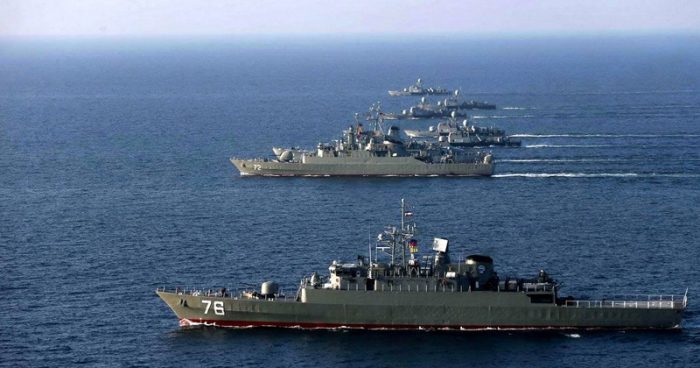
The Cuban missile crisis precipitated the closest episode to an all-out nuclear war the world had ever seen and hoped would never see again, but now the specter of confrontation along the U.S. coastline is again raising its ugly head as the Iranian regime announced plans this week to send a naval flotilla to the Gulf of Mexico in a show of power designed to thumb the mullahs’ collective noses at America and its allies.

Following orders from Iran’s top mullah, Ali Khamenei, the newly installed commander of its navy, Rear Adm. Hossein Khanzadi, announced a fleet of Iranian warships would soon be making their way into the Atlantic Ocean, despite what Iran claims is opposition by U.S. officials.

As Iran continues to deploy military assets to Syria, Yemen, Lebanon, and other Middle Eastern hotspots, its navy is placing a renewed focus on displaying force in international waters, according to the military leaders.

The latest military displays follow a series of provocative moves by Tehran aimed at rattling U.S. officials in the Trump administration, which has increasingly sought to confront Iran’s regional intransigence. Any Iranian presence in the Atlantic Ocean is certain to put U.S. military leaders in edge, according to the Washington Free Beacon.

The naval maneuver is designed to bolster Iranian influence with Latin American nations hostile to the U.S.; namely Venezuela and Bolivia.

More importantly, the exercise is designed to provide a propaganda boost at a time when the mullahs are clearly beleaguered back home; wracked with the devastation caused by massive earthquakes along the Iran-Iraq border and a moribund economy that continues to drag along in stark contrast to the promises made by Hassan Rouhani in the wake of the nuclear agreement which lifted economic sanctions.

Iranian efforts to sail its warships into the Atlantic Ocean coincide with a call by Khamenei to boost the regime’s military presence in international waters.

“The navy is in the frontline of defending the country with important regions, such as Makran, the Sea of Oman, and the international waters, in front of it,” Khamenei said in Tuesday remarks celebrating Iran’s Navy Day.

“Presence in free waters should continue similar to the past,” Khamenei added ahead of a meeting with Iranian military leaders.

Khamenei further disclosed that Iran is working to produce more advanced military equipment.

“The navy is more advanced and capable compared with 20 years ago, but this level of advance is not convincing; and a high-speed move should be pursued with determination, high morale, lots of efforts, innovation, and action,” he was quoted as saying.

The Iranian regime has often resorted to military displays as a means of diverting attention from disasters or setbacks at home; relying on jingoism to cover up inadequacies in the regime’s handling of the economy and widespread dissent at home.

The massive influx of cash the regime received as a result of the nuclear deal has helped solidify and steady its military at a time when intervention in the Syrian civil war nearly bankrupted the Iranian economy.

The diversion of fresh capital from the needs of the Iranian people and boosting the economy towards the regime’s ballistic missile program and its military adventures abroad—including this jaunt to the other side of the globe—no doubt bolsters the mullahs, but does little to improve the lives of ordinary Iranians.

But then again, the regime has announced the voyage which is a far cry from actually pulling it off with its limited resources. The Iranian navy has famously never been a blue-water navy, content to ply the shallow Persian Gulf and hug the coastlines around the Arabian Sea and Indian Ocean and play games of cat and mouse with U.S. Navy warships.

Back in 2014, the last Iranian navy commander, Rear Adm. Habibollah Sayyari, said that Iran planned to send ships near the U.S. to counter the American presence in the Persian Gulf.

Sayyari later said the sailings had been canceled “due to a change in schedule.” No other effort to send Iranian warships on such a voyage have ever been mounted until now.

Of course, that is not to say the regime cannot accomplish the task, but it does point out doubts as to the credibility of anything the mullahs announce.

What is clear though is that the regime is desperately casting about for anything to take attention away from its growing domestic problems at home.

The Iran lobby, led by the National Iranian American Council, has been busy focused on domestic U.S. policy such as the fight over immigration policies and even focusing on the shooting death of a local Iranian-American in a traffic stop; anything to avoid talking about what is happening in Iran today.

It is ironic, that during the negotiations for the nuclear deal, NIAC leaders such as Trita Parsi talked almost non-stop about conditions in Iran as a result of international sanctions, but since then have been largely silent—even as conditions worsen.

The disparity between reality and fiction under the Iranian regime and its allies is as wide as the Atlantic Ocean.

Michael Tomlinson

Filed Under: News Tagged With: #NuclearDeal, Featured, Iran Lobby, Iran sanctions, Iran Terrorism, IRGC, NIAC

Reasons for Comparing Iran Top Mullah to Hitler

November 27, 2017 by admin

Reasons for Comparing Iran Top Mullah to Hitler

Reasons for Comparing Iran Top Mullah to Hitler

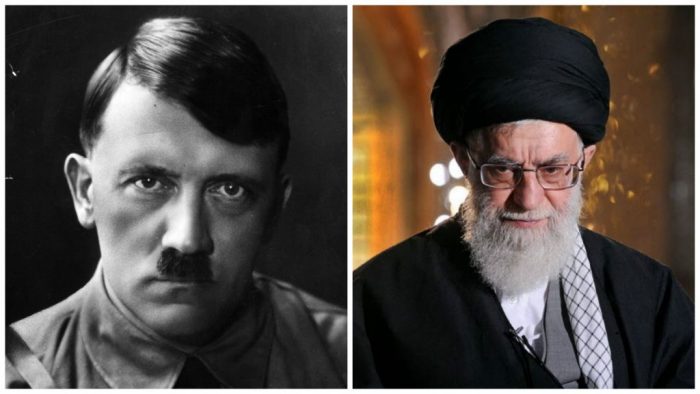
In an escalating verbal war of words, Saudi Arabia’s crown prince Mohammad bin Salman called the Iranian regime’s top mullah, Ali Khamenei, “the new Hitler of the Middle East” and warned that like the history of Europe, “appeasement doesn’t work.”

“We don’t want the new Hitler in Iran to repeat what happened in Europe in the Middle East,” bin Salman, told The New York Times in an interview published last week.

What is remarkable is not that the crown prince made those comments, but that news media treated it as earth-shattering. Human rights groups, Iranian dissidents, families of prisoners languishing in regime prisons have long called out Khamenei and his procession of handpicked presidents such as Mahmoud Ahmadinejad and Hassan Rouhani as tyrants long modelled on the bloody blueprint of Hitler’s Nazi Germany.

It is also remarkable that for once the Iran lobby was virtually silent on the crown prince’s remarks. Maybe Trita Parsi at the National Iranian American Council is finally getting the hint that shamelessly defending Khamenei is a useless exercise.

The comparison to Hitler is really neither extreme, nor shocking given the Iranian regime’s bloody history and the comparisons don’t start and stop with two megalomaniacal dictators who were power hungry for an apocalyptic vision for their countries.

No, the comparisons between the Iranian regime and Nazi Germany extend far into policies, military intervention and political propaganda.

The Nazi annexation of the Sudetenland and Austria is eerily like Iranian regime’s moves into Yemen and Syria, even using the pretext of fighting ISIS the same as the Nazi’s used the excuse of Bolsheviks to invade its neighbors.

But where the two regimes share the most is in their respective preferences for oppressing minorities and making liberal use of state courts to weed out less desirables from their societies.

For the Nazis, their policies of “racial purity” not only targeted Jews for extermination, but sent millions of Russians, Poles, gypsies, the mentally ill, gays and countless others to their deaths.

For the Iranian regime, its litmus test is religious where the mullahs view anyone not adhering to their branch of extremist belief an apostate and worthy of elimination. This explains why the regime has historically targeted minorities such as the Baha’i, Kurds, Christians and Sunnis for imprisonment and oppression.

Also, while the Nazis relied on the dreaded Gestapo and SS to enforce security at home and wage war abroad, the Iranian regime relies on its morality paramilitaries and zealous Revolutionary Guard Corps and Quds Force to achieve the same goals.

The resemblance between the two regimes is eerie and the crown prince does not make the comparison lightly.

Just as Nazi Germany gained appeasement with the West through the much-maligned Munich Agreement, Iranian regime did the same with the Iran nuclear deal; both documents weren’t worth the paper they were printed on and both launched a period of global unrest as the Nazis and mullahs took the opportunity to pursue their ambitions.

The Saudi crown prince has recognized that failure to act in defiance of the Iranian regime will only beg for another potential for war. The need for confronting the mullahs has long been a key talking point for Iranian dissidents who have warned repeatedly that failure to act to restrain the Iranian regime only emboldens the mullahs into acting more aggressively.

It is no coincidence that after Rouhani was elected to his first term and widely lauded as a “moderate” by news media that the regime undertook one of its most brutal crackdowns on dissent rounding up and imprisoning thousands of journalists, students, artists and activists.

Now the world is left to pick up the wrecked pieces of the Middle East that sees the Iranian regime now in control of Syria and Lebanon outright and having a pervasive influence over Iraq, Afghanistan and Yemen.

It’s almost like comparing Iran to Nazi Germany after the blitzkrieg of 1940 that saw it claim most of Western Europe.

But like Great Britain, Saudi Arabia has offered itself as a regional bulwark, opposing Iran in Syria, Yemen and the Gulf region and loudly calling on the rest of the world to recognize the danger the regime poses.

If the crown prince’s words are not enough, the Iranian regime added fuel to the fire when the regime’s deputy head of the IRGC warned Europe that the regime was increasing the range of its missiles to over 2,000 km, allowing it to strike at the heart of Europe.

The comments come as the French president has warned of the threat Iranian regime’s missile program poses and the Trump administration expands its sanctions list to include elements of the IRGC and those connected to its missile program.

The warning from Iran should not be considered superfluous, but rather a clear threat to the continent and an unmistakable shot across Europe’s bow.

The irony of Iran’s actions to Hitler’s speeches to blaming its enemies for driving Germany into the ground in the aftermath of World War I is striking and serves as a reminder that repeating the mistakes of the 1930s today will only lead down a path of regional conflict and even more suffering for the Iranian people.

Laura Carnahan

Filed Under: Blog, News Tagged With: #NuclearDeal, Featured, Iran, Iran Lobby, Iran Mullahs, Iran Terrorism, IRGC, Khamenei

Tillerson Visit Carries Deeper Meaning for Iran Meddling

October 24, 2017 by admin

Tillerson Visit Carries Deeper Meaning for Iran Meddling

Tillerson Visit Carries Deeper Meaning for Iran Meddling

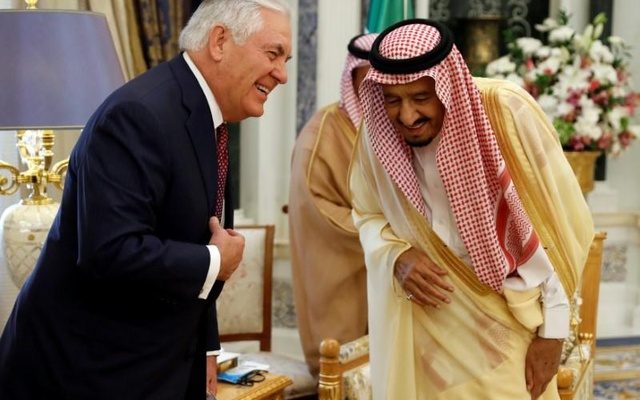
Secretary of State Rex Tillerson dived deep into Middle East politics at a time where the threat from ISIS was diminishing after battlefield victories against the Islamic extremists. His whirlwind stops in Saudi Arabia, Afghanistan and Iraq were designed to hold the line in a post-ISIS world against the encroaching influence of the Iranian regime.

In Saudi Arabia, Secretary Tillerson urged Saudi Arabia to counter Iran’s influence in Iraq by strengthening its ties with Baghdad in a meeting with King Salman of Saudi Arabia and Iraqi prime minister Haider al-Abadi.

His meeting included a call for Iranian-backed Shiite militias fighting in Iraq to leave and go back to their homes.

“Certainly Iranian militias that are in Iraq, now that the fight against Daesh and ISIS is coming to a close, those militias need to go home,” Tillerson said, using two other names for Islamic State. “Any foreign fighters in Iraq need to go home and allow the Iraqi people to regain control of areas that had been overtaken.”

Tillerson’s focus on these militias, known as Popular Mobilization Forces, he was taking aim at the growing influence of the Iranian regime’s Revolutionary Guard Corps and its Quds Force which has operated in Iraq in an increasingly visible way during the war against ISIS.

During the conflict, Tehran has sought to exert more influence in Iraq through participation in Iraq’s political process; a fraught process that nearly collapsed Iraq when former prime minister Nouri al-Maliki acted on Iranian wishes in expelling Sunni power sharing in his government, sparking a new round of sectarian conflict and empowering ISIS with the collapse of Mosul.

But Tillerson’s visit highlighted a new initiative to counter Iranian influence as Saudi Arabia has taken several steps to deepen ties between Riyadh and Baghdad.

Saudi Arabia has reopened its border with Iraq for the first time in decades and restarted direct flights between Riyadh and Baghdad. Washington is hoping the political and economic ties will deepen through the newly minted Saudi-Iraq Coordination Council, reported the Wall Street Journal.

“We believe this will in some ways counter some of the unproductive influences of Iran inside of Iraq,” Tillerson said during a news conference in Riyadh.

He urged Saudi Arabia’s involvement in Iraq’s reconstruction, as Baghdad looks to rebuild the country after a three-year war against Islamic State that destroyed cities across the nation, and called economic revitalization vital to keeping a hard-won peace.

The full-court press to normalize relations also goes a long way to counter persistent arguments made by the Iran lobby and other regime supporters that U.S. policy in the Middle East during the Trump administration was only reactionary and intent on starting a new conflict with Iran.

The diplomatic efforts led by Tillerson represent another watershed moment for President Trump in the Middle East.

His earlier announcement to not certify the Iranian regime in compliance with the Iran nuclear deal to trigger Congressional review more correctly puts the question of how to address Iran’s larger militant actions such as development of ballistic missiles in the arena of public debate where President Barack Obama had previously sought to steer clear of when negotiating the agreement originally.

Iranian regime advocates such as the National Iranian American Council had laboriously tried to shield the mullahs in Tehran from facing questions about Iran’s dismal human rights record or support for terrorist groups during the original talks two years ago, but in the intervening time the mullahs have stepped up their efforts in swinging the Syrian civil war over to the Assad regime, as well as rapidly build and deploy powerful new ballistic missiles.

The wreckage left behind by Iranian regime has solidified the decision-making process in the Trump administration to focus on containment and rolling back Iranian regime’s advances more aggressively than the policy of appeasement the Obama administration followed.

The decertification of the Iran nuclear deal is only one of several other initiatives being made by the Trump administration to roll back Iranian regime’s influence including:

  • Step up international efforts to garner international support to condemn and halt the Iranian regime’s ballistic missile program and prevent another North Korea scenario from taking root in the Middle East;
  • Encourage building stronger ties among U.S. allies such as Saudi Arabia and Iraq and the Gulf states to redraw lines of influence away from Iran and repair decades-long schisms;
  • Offer more military and intelligence support for U.S. allies in confrontations with Iranian regime forces and their proxies in hot spots such as Syria, Iraq, Afghanistan, Yemen, Qatar and Saudi Arabia.

More importantly, the U.S. is again openly warning companies from doing business with Iranian regime’s “Revolutionary Guard Corps” (IRGC) as it considers broader terrorist designations against the main tool of the mullahs.

The U.S. last week announced tough new sanctions against the IRGC because of its support for terrorism, effectively excluding it from the US financial system. Companies doing business with the group also risk penalties.

The push for expanded sanctions against the IRGC recalled the effectiveness of broad economic sanctions placed by the former administrations of presidents Bill Clinton and George W. Bush that put a stranglehold on the Iranian regime’s economy and brought the mullahs to the bargaining table in the first place.

Unlike the Obama administration, President Trump seems intent on not replaying the mistake of appeasement made by his predecessor and instead forge a new deal that finally brings Iranian regime’s extremism to heel.

Filed Under: Blog, News Tagged With: #NuclearDeal, Appeasement policy, Featured, Iran, Iran deal, Iran Human rights, Iran Lobby, Iran Mullahs, Iran Terrorism, IRGC, National Iranian American Council, NIAC, Nuclear Deal, nuclear talks, Sanctions, Syria

What Happens If the Iran Nuclear Deal Stays?

October 5, 2017 by admin

President Donald Trump has been beset by a tumultuous September and now October with hurricanes battering Texas, Florida and Puerto Rico, North Korean belligerence and the horrific massacre in Las Vegas. No one would question that the burdens of being president right now are great

President Donald Trump has been beset by a tumultuous September and now October with hurricanes battering Texas, Florida and Puerto Rico, North Korean belligerence and the horrific massacre in Las Vegas. No one would question that the burdens of being president right now are great

President Donald Trump has been beset by a tumultuous September and now October with hurricanes battering Texas, Florida and Puerto Rico, North Korean belligerence and the horrific massacre in Las Vegas. No one would question that the burdens of being president right now are great.

But President Trump faces a self-imposed Oct. 15th deadline as well to decide what he wants to do with the Iran nuclear deal, which he has previously described as a terrible deal and with that decision comes a whole new raft of challenges.

In many ways, he has options that other presidents would not have since he comes at this point with essentially a clean slate. He can take several options such as continuing to certify the Iranian regime in compliance with the deal, but continuing to hold the mullahs over a proverbial cliff edge; threatening to pull out at any time. The agreement’s renewal window gives him the opportunity to continually threaten the mullahs.

Secretary of State Rex Tillerson offered that the president would have multiple options in addressing the Iranian conundrum.

What is clear though is that while the nuclear agreement is being widely hailed by the Iran lobby and regime supporters as a success, the issues many critics and even the president have with it is that the deal was too narrow and gave a free pass to the regime on a whole host of issues such as development of ballistic missiles that were nuclear-capable.

Much of the instability the Middle East is experiencing has its central roots planted in Iranian soil where the mullahs have sought to use their Revolutionary Guards and Quds Forces to actively initiate and carry out military conflicts on multiple fronts, including Syria, Iraq, and Yemen.

Those militant acts drew the U.S., Russia and Saudi Arabia into armed conflict and pitched the world dangerously closer to global confrontation.

The funneling of cash to the Assad regime in Syria and terrorist operations such as Hezbollah and Shiite militias in Iraq have been a fundamental reason for why sectarian conflicts have sprouted all around the world like noxious weeds.

The mullahs have always viewed the use of funded third-parties as a legitimate tool of state-craft, which is why Iran has consistently been at the top of the U.S. State Department’s list of states that sponsor terrorism.

But not only has Iran’s foreign policy been a source of consternation for the world, but its internal domestic policies have also fueled this militancy because the nuclear deal left in place all of the mechanisms of the theocratic regime and provided no boost or reprieve from embattled democracy and dissident advocates within Iran.

If anything, the deal only emboldened Hassan Rouhani and his puppet master, Ali Khamenei, to crack down even harder on internal dissident with impunity; leaving human rights within Iran shambles and subjecting the Iranian people to enormous hardship and deprivation.

Dissident groups such as the National Council of Resistance of Iran have long documented the steep, downward spiral of human rights in Iran since the nuclear deal was agreed to and lack of movement within Iran.

This disconnect between the nuclear deal and lack of any inclusion of restrictions on Iran beyond the very narrow scope centrifuges and uranium explains much of what has gone terribly wrong with Iran. In many ways, its failures mirror the failures of efforts to control North Korea whose own flawed nuclear agreements served as the templates for the Iran deal.

What is clear though is that the Iran lobby is working feverishly to frame the debate of a post-deal world as being an abysmal one for the U.S.

Take for example an editorial in the Los Angeles Times by Seyed Hossein Mousavian, a Princeton University scholar and a former Iranian regime official, in which he portrayed Rouhani’s 2013 election as an act of moderation now threatened by the nuclear deal’s demise.

Mousavian neglects to note Rouhani’s re-election against the backdrop of President Trump’s widely publicized views on the nuclear deal. If “hardliners” in Iran were empowered by the president’s rhetoric, then by Mousavian’s own standards, Rouhani’s 2017 campaign should have gone down in flames.

But as a former regime official, Mousavian’s insights are pointless since they do little to illustrate any opinions contrary to the wishes of Khamenei and his mullah brethren. Indeed, it would be explosive if Mousavian voiced any criticism of the regime’s support for terrorism and its quick build-up of ballistic missiles as excuses the president is using to dump the deal.

If Mousavian was truly an agent for global peace efforts, he would have encouraged his former colleagues to abandon the most odious portions of the regime’s abuses to give the president less ammunition to derail the deal.

Mousavian’s lack of any discernible criticism in any area places him squarely in the camp of Iran loyalists.

“Because Trump has put the deal in his crosshairs, advocates of diplomatic engagement with the West in Iran are being discredited. If he goes ahead with his stated wish to undo it, a domestic consensus will form not to trust, negotiate or cooperate with the United States on any future issue,” Mousavian writes.

It’s a ludicrous statement to make since everybody knows that when it comes to Iranian regime’s policies, it’s the Supreme Leader, Ali Khamenei who makes all the decisions; and the rift between various rivals within the regime is due to the power struggle they have on who gets a bigger share. It’s long known that it’s the Iranian lobby’s narrative to advocate more dialogue with the regime, to strengthen the so-called moderates within the regime, whereas when it comes to the foreign policies of the regime, Iran has done more in support of terrorism during the “reformist” Rouhani’s tenure, in its meddling in Syria, Yemen, Iraq and in employing the Hezbollah and other extremist proxy forces in those countries, than his predecessor, hardliner Ahmadinejad. Likewise,  human rights organizations reports show that under Rouhani, there have been a lot more executions than any of his predecessors in the past 25 years.

The reality is that the Iranian regime has squeezed everything it could get from the nuclear deal in terms of pallets of cash delivered by the Obama administration to a lifting of economic sanctions to allow foreign companies to broker deals.

Even if the president were to dump the deal, the reality is that very little would initially change except the rhetoric coming from Tehran and from supporters such as Mousavian.


Filed Under: Blog, News Tagged With: #NuclearDeal, Appeasement policy, Featured, hassan rouhani, Iran, Iran deal, Iran Human rights, Iran Lobby, Iran Mullahs, Iran Terrorism, Khamenei, Seyed Hossein Mousavian

Iran Tries Blackmail in Threatening Failed Nuclear Deal

August 16, 2017 by admin

Iran Tries Blackmail in Threatening Failed Nuclear Deal

Iran Tries Blackmail in Threatening Failed Nuclear Deal

One of the key provisions of the Iran nuclear deal was an agreement to not include so-called “side issues” into the agreement such as the regime’s sponsorship of terrorism or any improvement in its human rights record.

The mullahs in Tehran knew they would instantly fail any of those litmus tests and fought hard to keep them out of the agreement, but in doing so they set themselves up for failure down the road when continued abuses would force the U.S. to act in levying new sanctions for terrorism support and Iran’s burgeoning ballistic missile program.

The mullahs found themselves stuck between a rock and a hard place. The nuclear agreement did not contain any language prohibiting economic sanctions on non-core nuclear issues per the mullahs’ demands so as the Trump administration and U.S. Congress imposed new sanctions the mullahs were left to cry foul without any basis to stand on.

The Iran lobby then went to work trying to stave off sanctions by pushing the message that these additional sanctions would threaten the “essence” of the agreement and cause its collapse leading to Iran building a nuclear arsenal.

Trita Parsi of the National Iranian American Council tried to blame President Donald Trump for the potential collapse of the deal and issued a statement that reeked of falsehoods commonly trotted out by the Iran lobby.

“It should now be clear that Donald Trump’s moves to violate and hold certification of the Iran nuclear deal in doubt are actively destabilizing the accord. Unfortunately, in response to Trump’s increasingly hostile rhetoric, as well as Congress’ moves to escalate sanctions, Iran is now warning that it has its own options to back out of the deal if the U.S. continues to undermine it,” Parsi said.

Let’s be clear: Iranian regime, not the U.S., is responsible for destabilizing the nuclear deal with their bloody war in Syria, efforts to sow insurrection in the Gulf states, and start launching ballistic missiles at a clip rivaling North Korea. The U.S. did nothing to inspire those acts and all those acts began actually years ago and under the Obama administration.

Also, the U.S. Congress and American electorate has had the luxury to see how the nuclear deal has turned out after two years and their answer has been overwhelmingly negative. While Parsi may try to affix blame on President Trump, the real culprits are in Tehran.

But Parsi didn’t stop there.

“We have repeatedly warned that President Trump’s beating of the war drum with Iran, even if confined to rhetoric, in addition to new Congressional sanctions and zero diplomatic outreach, could only produce negative consequences. Iran’s parliament has now voted to increase spending on its ballistic missile program and the IRGC in direct response to new sanctions on the country,” Parsi added.

Incredibly, Parsi tries to also blame the U.S. President for Iranian regime’s decision to ramp up its missile program; ignoring the fact the regime’s missile program was begun a decade ago with technology licensing agreements with North Korea and fully funded by illicit oil sales.

It is a blatant example of how the Iran lobby tries to rewrite history to protect the Iranian regime after it acts to toss away the international agreements it signs.

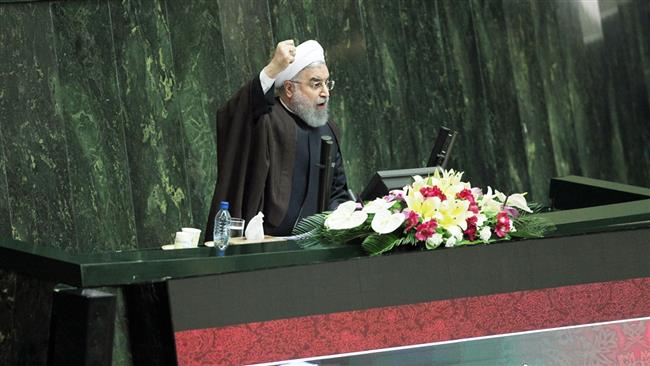
Regime president Hassan Rouhani did his part in warning the regime could quickly ramp up its nuclear program and achieve an advanced level if the U.S. continued its “threats and sanctions.”

Rouhani’s remarks to Iranian regime lawmakers were his most direct warning that the deal could fall apart and risked ratcheting up tensions with the United States.

While most media focused on Rouhani’s threats, virtually no one picked up on the key inconsistency he made which is that Iran could “quickly” build nuclear weapons. This simple declaration proves the biggest lie offered by the regime and Iran lobby supporters such as Parsi: the nuclear deal did not push back the much-debated “breakout” period for Iran to build a nuclear device.

“In an hour and a day, Iran could return to a more advanced (nuclear) level than at the beginning of the negotiations” that preceded the 2015 deal, Rouhani said.

The nuclear deal has been a complete and utter failure.

United Nations ambassador Nikki Haley issued a stern and forceful rebuke to Rouhani’s comments and accurately pointed out the problem with the arguments being made by the Iran lobby about saving the nuclear deal at all costs.

Haley said on Tuesday Iran must be held responsible for “its missile launches, support for terrorism, disregard for human rights, and violations of U.N. Security Council resolutions.”

“Iran cannot be allowed to use the nuclear deal to hold the world hostage … The nuclear deal must not become ‘too big to fail’,” Haley said in a statement, adding that new U.S. sanctions were unrelated to the Iran nuclear deal.

What is ironic in all this debating about Iran is how North Korea is widely reviled, heavily sanctioned and appropriately feared by the rest of the world over its ballistic missile program, but in the case of Iran’s missile program, the European Union has struggled to stay mute and not offend the mullahs.

Why does North Korea’s missile program drive the world to the brink of striking back, but in the case of Iran, many American partners refuse to criticize Iran?

Part of the answer lies in the Iranian regime’s aggressive efforts to open its markets to European firms to make investment and economic hamstring themselves from taking future action against Iran. Another explanation comes from EU policy makers who naively believe in the lies of the Iran lobby and hope for the best while ignoring the evidence of Iranian regime’s extremism.

Europe’s reaction is eerily similar to the reaction their predecessors had to the rise of Adolf Hitler’s Nazi Germany in the 1930s.

We can only hope the world doesn’t pay again for that same policy of appeasement.

Michael Tomlinson

Filed Under: Blog, Current Trend, National Iranian-American Council, News Tagged With: #NuclearDeal, Appeasement policy, Featured, Iran, Iran deal, Iran Human rights, Iran Lobby, Iran Missile program, Iran Mullahs, Iran sanctions, Iran Talks, Iran Terrorism, National Iranian American Council, NIAC, NIAC Action, Rouhani, Sanctions, Trita Parsi

  • « Previous Page
  • 1
  • 2
  • 3
  • 4
  • …
  • 15
  • Next Page »

National Iranian-American Council (NIAC)

  • Bogus Memberships
  • Survey
  • Lobbying
  • Iranians for International Cooperation
  • Defamation Lawsuit
  • People’s Mojahedin
  • Trita Parsi Biography
  • Parsi/Namazi Lobbying Plan
  • Parsi Links to Namazi & Iranian Regime
  • Namazi, NIAC Ringleader
  • Collaborating with Iran’s Ambassador

Recent Posts

  • NIAC Trying to Gain Influence On U.S. Congress
  • While Iran Lobby Plays Blame Game Iran Goes Nuclear
  • Iran Lobby Jumps on Detention of Iranian Newscaster
  • Bad News for Iran Swamps Iran Lobby
  • Iran Starts Off Year by Banning Instagram

© Copyright 2026 IranLobby.net · All Rights Reserved.